Live shows, movie nights, art openings, private parties, and corporate meetings at 20 N Main St — minutes from the University of Florida and Shands Hospital.
Stay in the Loop
Get the next show, screening, and event announcements sent to your inbox.
Inside the Room
A look at the stage, the floor, and the nights that move through them.
Rigging and staging options at The Wooly for productions
When The Wooly opened its doors at 20 N Main Street in downtown Gainesville, the team set out to design a venue that could host everything from an intimate acoustic set to a full-blown rock show without compromising the room's atmosphere. The flexible floor plan sits minutes from the University of Florida campus and Shands Hospital, giving touring acts easy access to lodging, restaurants, and public transport links. For Australian producers scouting North American routes, the venue offers a useful way to anchor a Florida run between Miami and Atlanta shows.
The space pairs raw industrial bones with modern production rigging, which means the same room that hosts a Friday film screening can be flipped into a seated banquet by Saturday evening. In-house catering and a full-service bar keep logistics under one roof, and the calendar of live music, art openings, and community events means the room is rarely dark. Producers working across hemispheres can treat the venue as a one-stop rehearsal, performance, and broadcast hub during a U.S. swing, with a technical team that already speaks the language of touring production.
Floor plan flexibility and stage placement
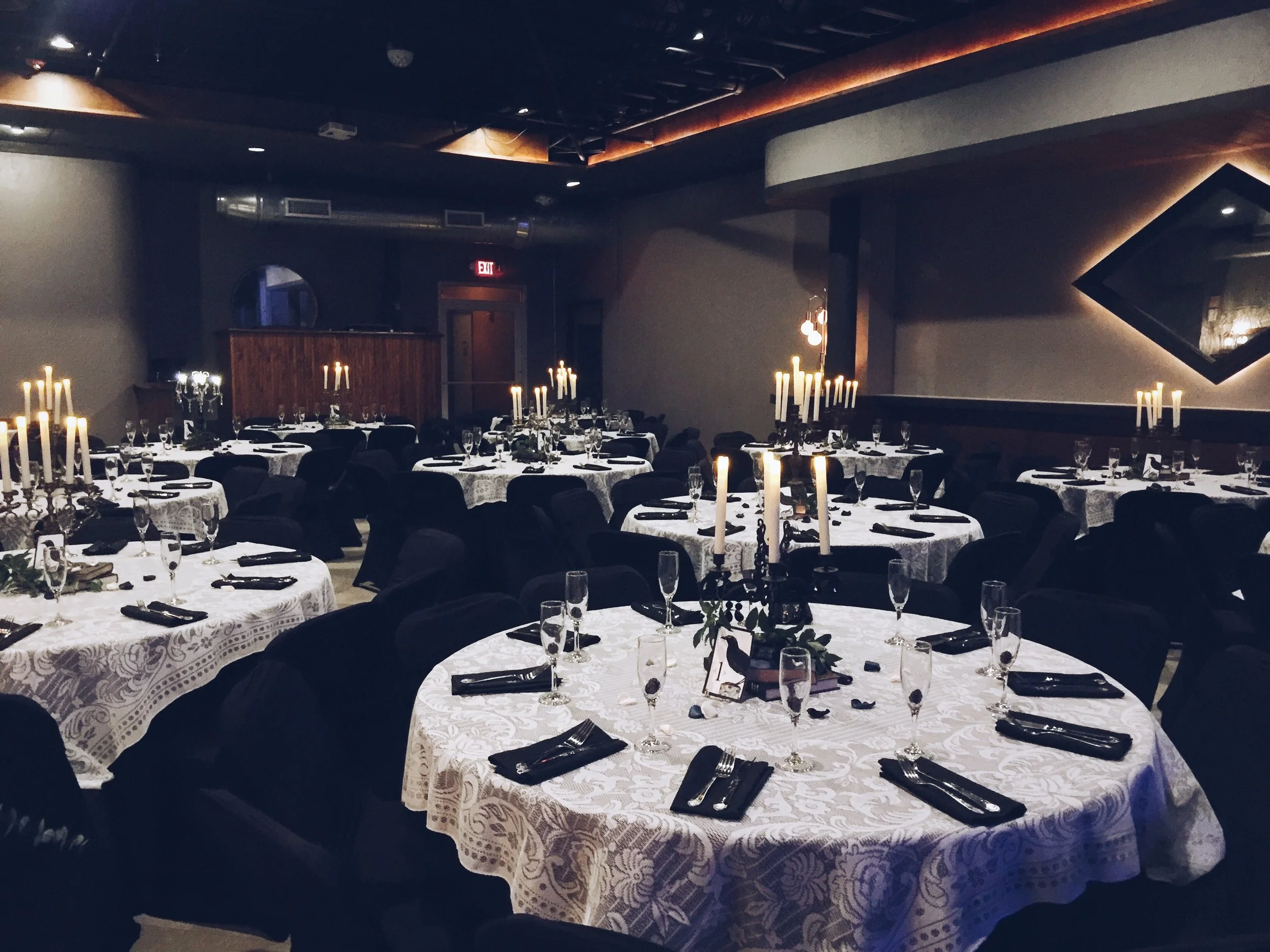
The main hall breaks into modular zones that can be reconfigured in a single crew call. A standard end-stage layout seats roughly 180 with a 24-foot thrust and a small apron, while a fully seated banquet arrangement accommodates around 110 guests with stage-left and stage-right wings used for tech tables. Touring riders from Australian bands who regularly play the Corner Hotel in Richmond, Melbourne, or the Oxford Art Factory in Sydney often translate cleanly because the room dimensions sit within those tolerances.
The east wall opens to a sprung-floor dance zone that doubles as a breakout area for film screenings and sponsor activations. The sprung surface protects performers on extended multi-set nights and reduces fatigue during three-hour corporate general sessions. When the production calls for a 360-degree audience, the rigging grid accepts a centre-stage cluster and a cable-managed perimeter for both FOH and monitor worlds. This kind of adaptability is closer to Brisbane's Tivoli than to a fixed-seat theatre, which suits acts whose touring format shifts from seated to general admission depending on the market.
Audio-visual infrastructure and crew
A L-Acoustics-flanked PA, a Yamaha digital console at front of house, and a separate monitor position keep the signal chain familiar for most Australian touring engineers. The in-house A/V team leads load-ins, which sidesteps the cost of flying a full production crew across the Pacific for a one-off Florida date. HDMI, SDI, and fibre runs reach every corner of the room, so hybrid events can stream to audiences in Parramatta or Perth without the typical patch headaches.
Production managers appreciate that the rig supports Dante, AVB, and analogue splits, which lines up with the workflows used at venues like Sydney's Enmore Theatre or Melbourne's Forum. The video wall is configurable up to 16 by 9 and accepts a 4K input, suitable for IMAG, sponsor reels, or cinema-grade film screenings. Crew briefings follow OSHA-aligned fall-protection standards, with anchor points inspected before every call. For visitors travelling from a country where the model WHS Act 2011 governs live event safety, the documentation is straightforward to map back to Australian compliance records.
Lighting grid and rigging capacity
The overhead grid sits at roughly 18 feet and carries a working load that supports three moving-light trusses, a line-array cluster, and a soft-goods rig for theatre runs. Producers can request truss adaptations through the in-house production manager, with turnaround measured in days rather than weeks. This matters for Australian tours tight on time between the venue date and the next leg in Auckland or Singapore, where every hour saved on load-out buys another day of rest.
A motorised front truss reduces changeover time for acts that run a festival-style lighting package between headline sets. Conventional and LED inventories live in-house, so fly-ins from Sydney or Brisbane productions can leave some elements at home. Rigging inspections follow American National Standards Institute guidance, with certified rigger reports filed with management before doors open. When you are staging anything heavier than a banner, the venue's compliance team handles the paperwork, so visiting producers do not need to chase local certificates of their own.
Catering, bar service, and event flow
The Wooly's in-house kitchen turns out plated dinners, buffet spreads, and cocktail receptions, while a separate beverage team runs the bar. Australian visitors often comment on how the tipping customs differ from Sydney and Melbourne, where service is included; here, gratuities sit on top and the venue handles distribution. The catering team coordinates plating around cue changes, which spares acts from long breaks between set and encore.
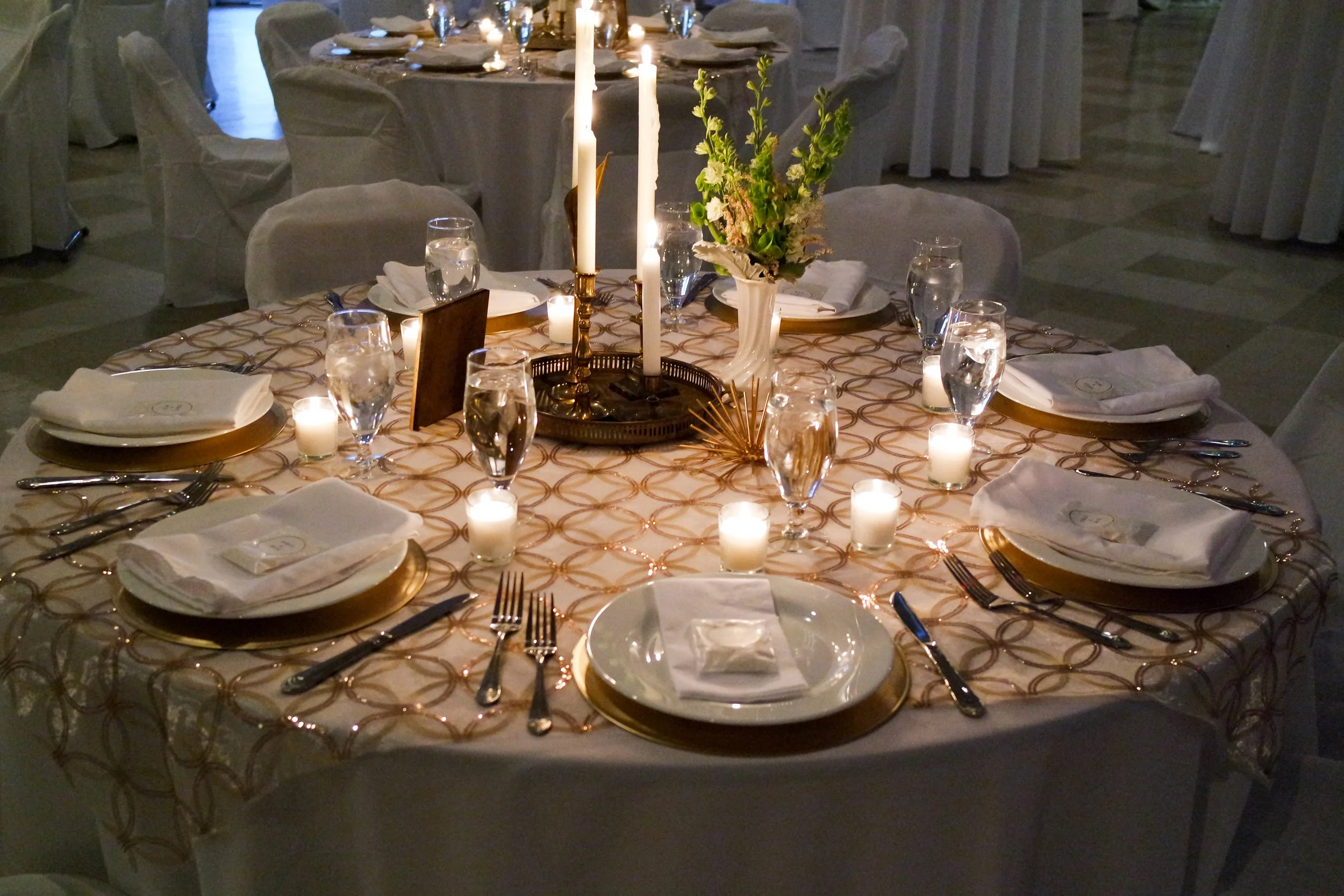
For weddings and corporate meetings, the catering department works to approved allergen protocols, including gluten-free, vegan, and halal options common to Australian menus. The bar holds an active Florida liquor licence and adheres to Responsible Vendor guidelines, an angle that parallels the Responsible Service of Alcohol framework used in Australian states. The result is fewer last-minute vendor surprises during a long event day. Vendors such as custom-cake designers can be slotted into the run-of-show through the same coordinator, a workflow familiar to anyone working with editorial calendars like this custom cake vendor profile.
Calendar coordination and seasonal considerations
The venue's event calendar runs throughout the year, and producers are encouraged to lock dates early because wedding season overlaps with band tours in spring and autumn. Australian promoters used to the spring-to-autumn calendar at home will find the Florida rhythm inverted, with summer humidity demanding contingency plans for outdoor pre-show receptions.
The same venue has hosted flagship regional events such as the Southeast US Boat Show, and the production lessons from large-format consumer shows have shaped the stage build options for touring acts. Booking enquiries flow through the events team, and a typical cycle moves from hold to contract in roughly two weeks. Tour load-ins often land on Mondays and Tuesdays to clear Wednesday tech, which matches the rhythm producers used to in mid-sized Australian halls where midweek show calls are the norm.
Support for film screenings and community events
Film nights and art openings draw a different production model, with cinema-grade projection, screen masking, and a Q&A riser built into the rig. The room doubles as a courtroom-style seating plan for panel discussions tied to corporate retreats, with breakout rooms in adjoining suites. Sound for film is calibrated against SMPTE standards, which lines up with the Australian theatrical reference levels many post-production professionals follow when they cut trailers at facilities in Adelaide or Fremantle.
Community programming keeps the lights on during off-peak weeks, and groups as varied as local choirs, university film clubs, and touring jazz combos share the stage. Because the rigging accepts a stripped-back rig without losing safety integrity, smaller presenters do not pay for infrastructure they do not use. It is a sensible model for any Australian presenter thinking about exporting work to the U.S. without taking on the full cost of a touring crew.
Recommendations for producers booking the venue
A short checklist for touring acts and event planners putting the room to work.
- Confirm your stage layout at least 30 days out so the rigging crew can pre-rig trusses and motor points.
- Share your audio console show file early to let the in-house A/V team pre-build templates and label snakes.
- Build a one-page rider that lists only the items the venue does not already stock, including backline, instrument choices, and monitor mixes.
- Schedule catering tastings around the same week as load-in to avoid last-minute menu swaps that pull crew off the stage.
- Ask about local lodging within walking distance of the venue, particularly for crews arriving from long-haul Australian flights.
- Review the venue's networking event guide when planning corporate activations and sponsor lounges.
- Use the in-house production manager as a single point of contact for rigging, lighting, and A/V to keep communication clean across time zones.
The Wooly is more than a stage; it is a turnkey production partner for acts who need a central Florida stop that handles rigging, staging, A/V, catering, and bar under one roof. The next practical step is to send a one-page show concept and a draft schedule to the events team so the in-house production manager can return a rigging plot and a cost estimate within five business days, putting you on the path to a locked date before the calendar fills.
Follow the Calendar
News, ticket links, and last-minute additions posted across our channels.
Explore the Venue
Five pages covering the full run of programming and private bookings.
Browse the schedule for movie showings, live music, and art shows.
Weddings, holiday banquets, cocktail parties, and anniversaries.
Meetings, networking, luncheons, and fundraisers with AV support.
Concerts, film screenings, art showcases, and community pop-ups.
Photos from past concerts, private functions, and gatherings.