Live shows, movie nights, art openings, private parties, and corporate meetings at 20 N Main St — minutes from the University of Florida and Shands Hospital.
Stay in the Loop
Get the next show, screening, and event announcements sent to your inbox.
Inside the Room
A look at the stage, the floor, and the nights that move through them.
Putting On A Fashion Show At The Wooly
A fashion show needs more than a runway and a rack of garments. It needs a room that can shift between arrival lounge, presentation space, backstage dressing area, media set and after-party without making guests feel they are moving through separate events. The Wooly in downtown Gainesville, Florida, is well suited to that kind of transformation.
Its flexible floor plan, professional audio-visual support, full-service bar and in-house catering give a production team useful control over the whole evening. The venue at 20 N Main Street is also close to the University of Florida and Shands Hospital, placing a runway event near a large student, healthcare, creative and professional community.
For Australian designers, stylists and event producers, the main task is to translate a familiar local fashion sensibility into an American venue format. A Melbourne-style emerging-label showcase, a Sydney-inspired evening presentation or a relaxed Brisbane pop-up can all work here, provided the schedule, freight, staffing and audience expectations are planned carefully.
| Planning area | The Wooly advantage | Practical fashion-show use |
|---|---|---|
| Floor plan | Flexible event space | Create a central catwalk, perimeter seating or a presentation-in-the-round |
| Production | Professional audio-visual support | Run music, lighting cues, model entrances, video and photography |
| Hospitality | In-house catering and full-service bar | Offer a polished welcome, interval service and post-show gathering |
| Location | Downtown Gainesville near UF and Shands | Reach students, staff, creatives, local businesses and visitors |
| Event types | Concerts, screenings, openings and private events | Build a runway concept that can include music, film, art or brand activation |
Shape The Runway Around The Room
The strongest layout will depend on the collection, the number of looks and the kind of audience experience you want to create. A straight catwalk gives photographers a clear front-facing view and makes timing straightforward. A U-shaped runway brings models closer to guests, while a presentation-in-the-round creates energy and allows the audience to inspect garments from several angles.
The Wooly’s adaptable footprint can support more than a conventional runway. You might place the audience along two sides, reserve one end for a branded photo wall and use another area for a DJ or live musician. For a smaller capsule collection, a gallery-style installation with models moving through the room may feel more natural than a formal fashion week format.
Think carefully about sightlines before committing to furniture. Tall cocktail tables, floral arrangements and sponsor displays can look impressive during doors-open photography yet block a seated guest’s view once the show begins. Mark the runway, model holding area, photographer positions and emergency access routes on a scaled floor plan.
Gainesville’s university setting also creates opportunities for a younger, community-focused audience. A student designer showcase, sustainable fashion night or graduate collection presentation could combine runway segments with short talks, a styling demonstration or a screening of campaign films. That mix suits a venue already used to live performances and film events.
Build A Show Plan That Travels Well
An Australian team producing in Florida should treat the event as a local production with an international creative concept. Flying a full crew, rails, set pieces and technical equipment from Australia may be expensive and slow. It is often more efficient to bring the designer, show director and a small styling team, then source models, assistants, hair and makeup artists, signage, steaming equipment and some décor in Gainesville.
Start with a working budget in US dollars and keep a separate allowance for currency movement, freight, customs, insurance and last-minute purchases. Australian businesses will also need to clarify how invoices, GST treatment and US sales or event obligations apply to their particular structure. A local accountant or production partner can prevent a visually successful event from creating an unpleasant paperwork problem later.
The venue’s private-event information can help frame the initial conversation about room use, catering, bar service and production requirements through private event details. Share the intended date, guest count, show format, loading needs and preferred atmosphere early so the venue team can respond with realistic options.
A detailed run sheet keeps a fashion presentation calm behind the scenes. Include arrival times, fittings, hair and makeup calls, technical rehearsals, doors open, welcome remarks, every runway cue, photographer access, interval service and pack-down. Build in breathing room: a model may need a garment repair, a steamer may fail or a soundtrack file may need replacing.
Useful planning checkpoints include:
- Confirm the collection size, model casting approach and final running time.
- Assign one person to backstage decisions and one person to venue liaison.
- Allow time for fittings, garment steaming, makeup changes and quick changes.
- Prepare duplicate music files, printed cue sheets and offline contact details.
- Set a firm deadline for guest list, seating plan, catering numbers and signage.
- Confirm freight arrival, storage, return shipping and responsibility for lost items.
A short show is usually more memorable than an overextended one. For an emerging-label event, 20 to 35 looks may be enough for a focused presentation. If several designers are involved, group them by story, colour, material or audience rather than presenting a random sequence of outfits.
Style The Space Without Losing Its Character
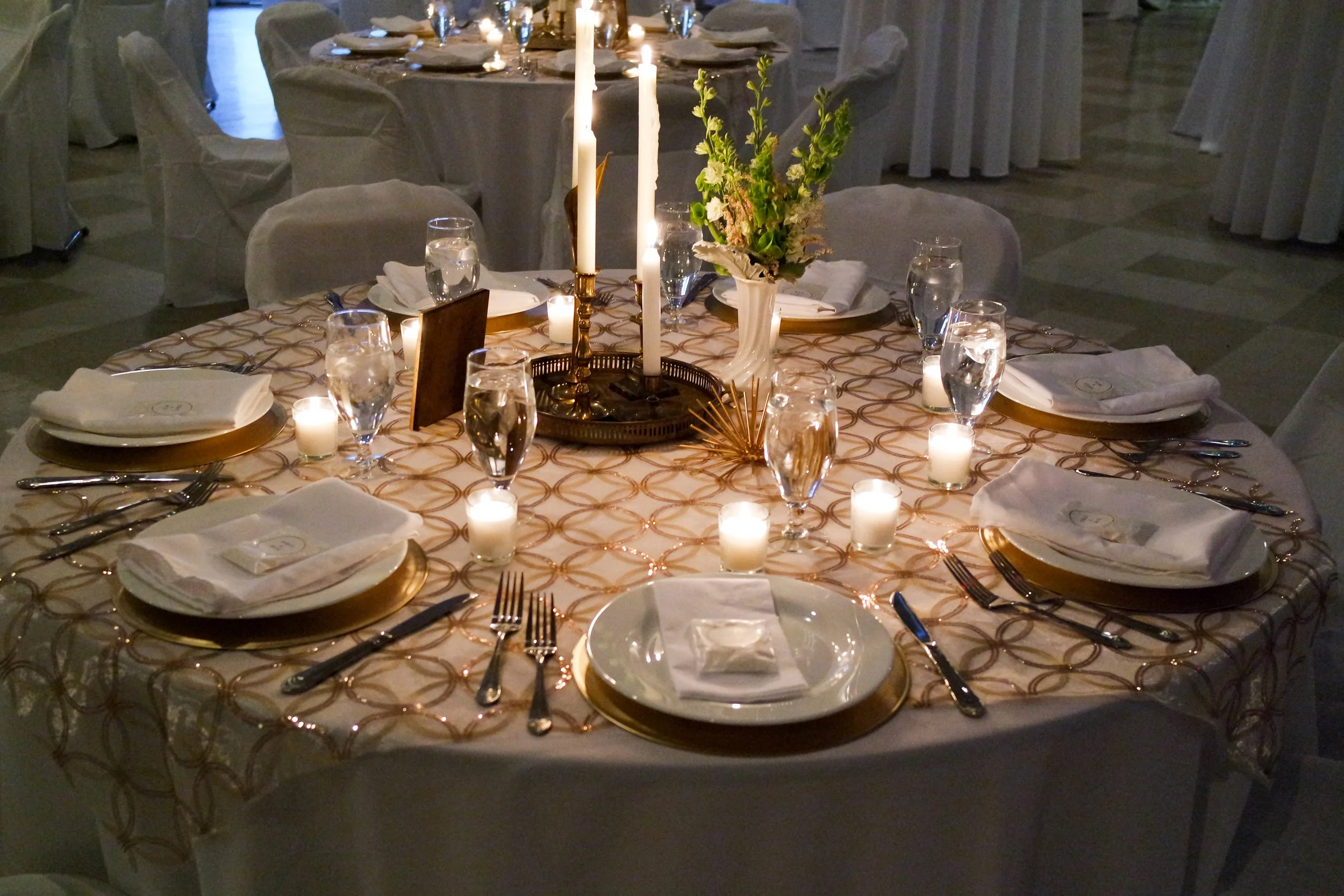
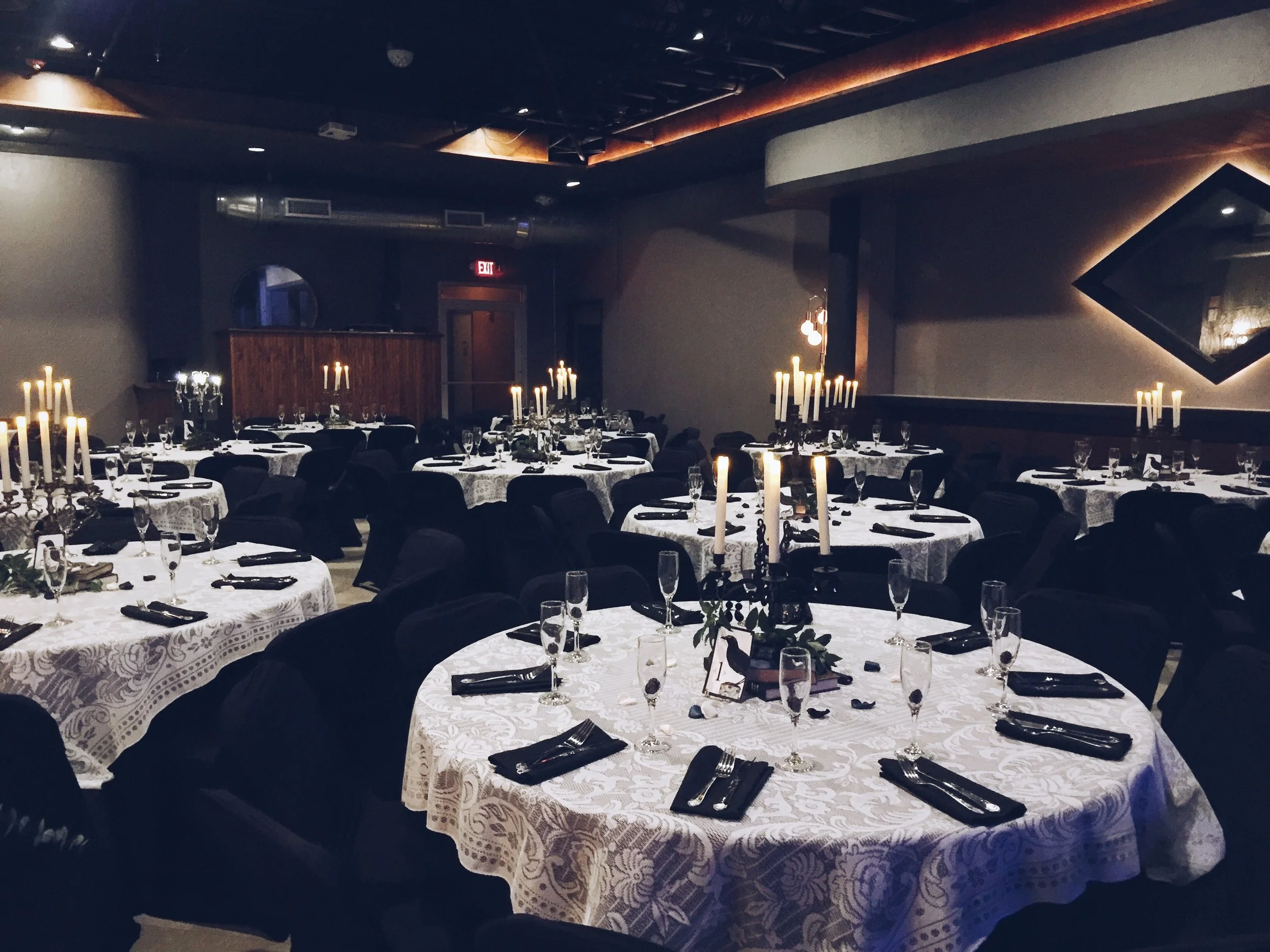
The Wooly can become a strong visual environment without being covered in expensive construction. Fashion audiences respond to proportion, lighting, texture and consistency. A limited palette of black, cream, metallic, timber or the collection’s signature colour can make the room feel intentional while keeping attention on the garments.
Use décor to direct movement rather than simply fill empty areas. A branded welcome wall can orient guests as they arrive. Garment rails can form a temporary boundary around backstage access. Low plinths can display accessories before the runway, and projection can introduce the collection’s imagery without requiring large scenic pieces.
Before ordering props, read the venue’s guidance on Can You Bring Your Own Decor to The Wooly. That step helps clarify what can be installed, what must be approved and how the production team should protect the building. It is particularly important when using adhesive graphics, hanging elements, candles, rigging, confetti or freestanding structures.
Lighting deserves early attention because fashion photography and live viewing require different solutions. Strong colour washes may suit a dramatic finale but distort fabric tones in photographs. Ask for a lighting state that shows true colour during the main walk, a brighter setting for fittings and a separate look for speeches or networking. A professional audio-visual conversation should cover microphones, music playback, speaker placement, projection, power and photographer access.
The bar and catering service can support the event’s brand language. A clean welcome drink, small plates that can be eaten standing and a menu that accommodates common dietary needs will keep guests comfortable without interrupting the show. Australian guests may expect clear information about vegetarian, vegan and gluten-free options, while local US guests may appreciate familiar Southern-inspired ingredients presented in a refined way.
Coordinate People, Production, And Guest Experience
A polished runway show is a chain of handovers. The designer hands garments to the stylist, the stylist hands looks to dressers, dressers prepare models, the stage manager releases each entrance and the technical operator follows the cue. Every handover needs a named person, a deadline and a backup plan.
Casting locally can add authenticity and reduce travel costs. Gainesville’s university population may provide a broad pool of models, performers, photographers and creative assistants, but availability must be checked around class schedules and exam periods. Professional expectations should be written down, including fees, call times, image usage, meals, transport, changing arrangements and cancellation terms.
For an Australian label, sizing communication deserves special care. Australian and US sizing conventions do not always align, and model cards may list measurements in different units. Send a precise measurement sheet in centimetres and inches, including bust, waist, hip, height and shoe size. Label every look with designer name, garment order, model, accessories and quick-change instructions.
The guest journey should feel considered from the first email to the final drink. Make the invitation clear about arrival time, dress code, photography, accessibility, seating and whether the presentation is followed by a party. A relaxed Australian tone can work well, but American guests may still need direct details about parking, venue entry and ticketing.
Key responsibilities to allocate before show week include:
- Show director: Owns the creative sequence, pacing and final artistic decisions.
- Stage manager: Controls backstage traffic, model calls and runway cues.
- Stylist or wardrobe lead: Checks every garment, accessory and quick change.
- Technical lead: Manages sound, lighting, screens, microphones and backups.
- Guest lead: Handles registration, VIP seating, media and sponsor hosting.
- Venue contact: Coordinates access, catering, bar, safety and building rules.
Australian producers may be used to calling a short break an “arvo” setup or asking a mate to handle a quick job, but an interstate and international crew needs more formal documentation. Use a shared production schedule, consistent file names and a single communication channel. Friendly language is welcome; ambiguity is expensive.
Make The Event Feel Local And Shareable
A visiting label should give Gainesville a reason to care beyond the novelty of an overseas designer. Partnering with a local university fashion group, independent boutique, photographer, artist or sustainability organisation can build a genuine audience. A local collaborator may also understand which mailing lists, student networks, media outlets and community calendars are useful.
The event calendar should be treated as part of the production, not an afterthought. A launch several weeks ahead can introduce the designer and collection, while a short behind-the-scenes film, model profile or fabric story can maintain interest between announcement and show night. A useful reference for presenting a substantial regional event with clear public information is the Southeast US Boat Show, even though its subject is different. Its approach demonstrates how dates, location, audience value and event identity can work together.
For Australian brands, this is also a chance to test a market rather than simply stage a one-night spectacle. Collect opt-in email addresses, track ticket sources, note which looks attract enquiries and record the retailers, stylists and media who attend. A small showroom appointment or trunk-show session the following day can turn runway attention into commercial conversations.
Keep social content practical and visually consistent. Create a simple event tag, provide approved designer information to photographers and decide when images may be published. A controlled first release can help the collection appear cohesive across Instagram, TikTok, press coverage and the brand’s website. Make sure model releases and image permissions are handled before the show rather than chased afterwards.
A sensible event profile might include:
- A welcome drink and collection note at arrival.
- A concise runway presentation with clear musical chapters.
- One short designer or curator address rather than several speeches.
- A photo moment with consistent lighting and a defined queue.
- A post-show bar service for informal conversations.
- A follow-up email with collection images, credits and purchase information.
The Australian market is accustomed to pop-up retail, designer markets and direct-to-consumer labels, so a show can connect naturally to sales. A Melbourne or Sydney audience may be comfortable discovering a small label through an intimate event, while Gainesville guests may respond especially well to personal introductions and community partnerships. Build both sensibilities into the format: keep the creative direction distinctive, then make the buying and follow-up process easy.
The most effective fashion show at The Wooly will feel neither like a temporary shop dropped into a concert venue nor like a generic runway copied from a major fashion capital. It will use the room’s adaptability, production support and hospitality to create a focused experience with a clear local connection.
The concrete next step is to send The Wooly a one-page brief covering your preferred date, collection size, audience, runway layout, catering style, technical needs and estimated guest count.
Follow the Calendar
News, ticket links, and last-minute additions posted across our channels.
Explore the Venue
Five pages covering the full run of programming and private bookings.
Browse the schedule for movie showings, live music, and art shows.
Weddings, holiday banquets, cocktail parties, and anniversaries.
Meetings, networking, luncheons, and fundraisers with AV support.
Concerts, film screenings, art showcases, and community pop-ups.
Photos from past concerts, private functions, and gatherings.