Live shows, movie nights, art openings, private parties, and corporate meetings at 20 N Main St — minutes from the University of Florida and Shands Hospital.
Stay in the Loop
Get the next show, screening, and event announcements sent to your inbox.
Inside the Room
A look at the stage, the floor, and the nights that move through them.

Planning an Artist Meet-and-Greet at The Wooly
A well-organised artist meet-and-greet gives fans genuine access without making the performers feel rushed or exposed. At The Wooly in downtown Gainesville, Florida, the event can be shaped around a concert, film screening, album launch, exhibition, private function, or corporate gathering. Its flexible floor plan makes it possible to separate the main programme from quieter conversations, photographs, and signing tables.
For organisers in Australia, the distance adds a few practical considerations. You may be coordinating from Brisbane, Melbourne, Sydney, or Perth, working across time zones and arranging details with a US-based venue team. The good news is that a clear brief, realistic schedule, and straightforward guest journey can make the process feel as smooth as putting together a small live event in Fortitude Valley or a Q&A in a Melbourne arts space.
Define the purpose and guest experience
Start by deciding what the gathering is meant to achieve. A post-show photo opportunity has a different rhythm from a relaxed conversation with a filmmaker, an album launch with signing, or a private reception for sponsors. Write a short event brief covering the artist, date, estimated attendance, audience profile, programme length, hospitality, photography, and any sales or promotional activity.
The phrase “meet-and-greet” can mean several things. Some guests expect a quick hello and photograph, while others want a moderated discussion, merchandise signing, or informal networking. State the format clearly in the event description so nobody arrives expecting a full performance when the booking only includes a short appearance.
Australian audiences tend to respond well to friendly, plain-speaking communication. A line such as “Doors at 6:30 pm, artist conversation at 7 pm, photos and signing afterwards” is more useful than polished but vague copy. If you are inviting guests from the University of Florida community, nearby businesses, or Shands Hospital, consider whether the tone should be fan-focused, professional, or community-oriented.
Build a practical running order
The strongest artist access events feel relaxed because the timing has been carefully controlled. Allow time for the artist to arrive privately, meet the event manager, check the room, and take a break before guests enter. A simple run sheet might include guest arrival, welcome remarks, a short interview, audience questions, individual photographs, signing, and a final departure window.
Avoid promising unlimited access. If 80 people each receive two minutes with an artist, the photo and signing portion alone can run for nearly three hours once movement and resets are included. A numbered queue, timed entry groups, or a limit of one photograph and one signed item per guest can keep the experience fair.
Build in a buffer for the unexpected. Artists may be delayed by travel, need a vocal rest, or require a private conversation with their manager. A host can fill ten minutes with a short film, recorded message, music playback, or audience trivia, but should never pressure the artist to continue beyond the agreed time. If your team is based in Australia, remember to confirm every update in the venue’s local Gainesville time rather than relying on AEST or AEDT.
Match the room to the programme
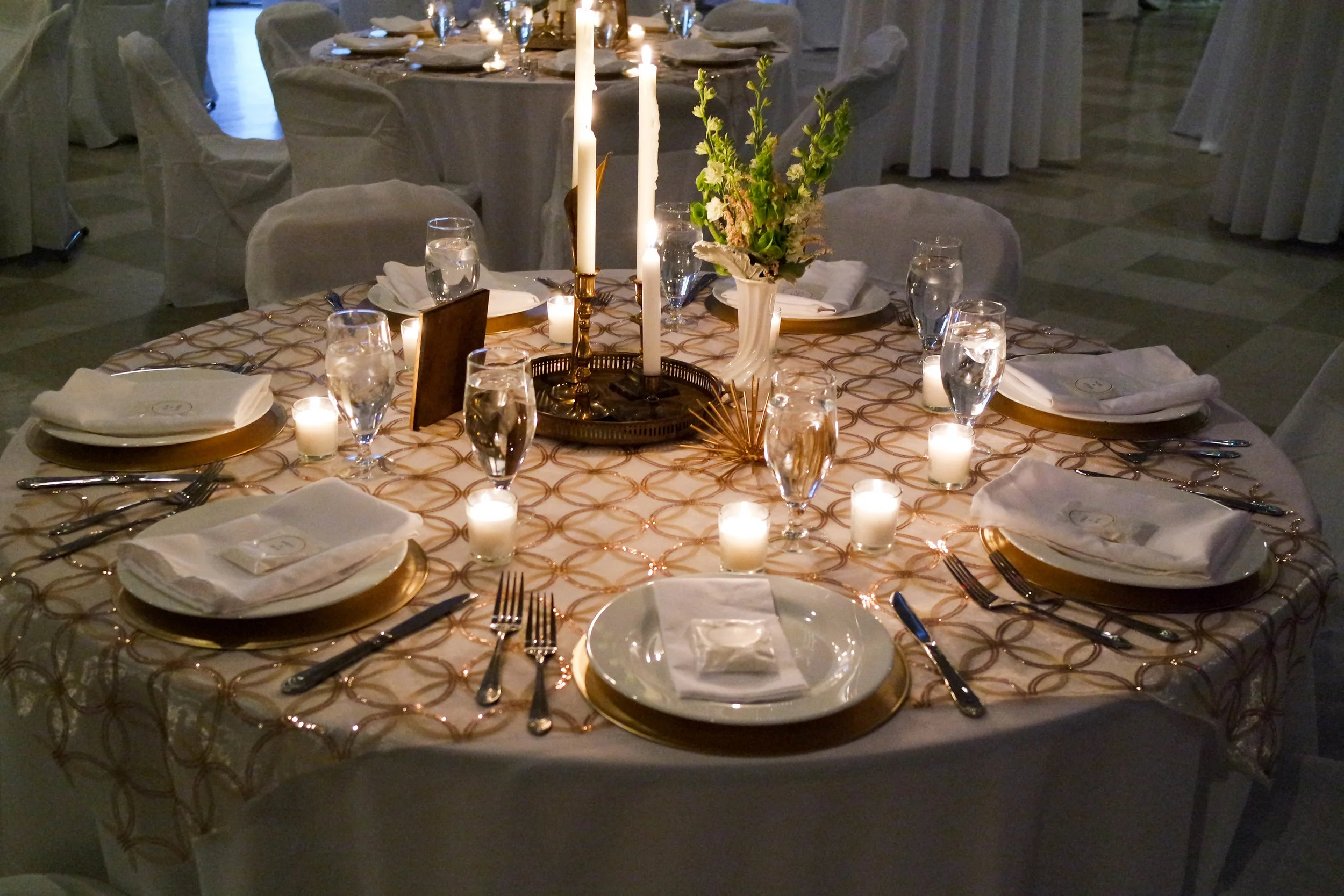
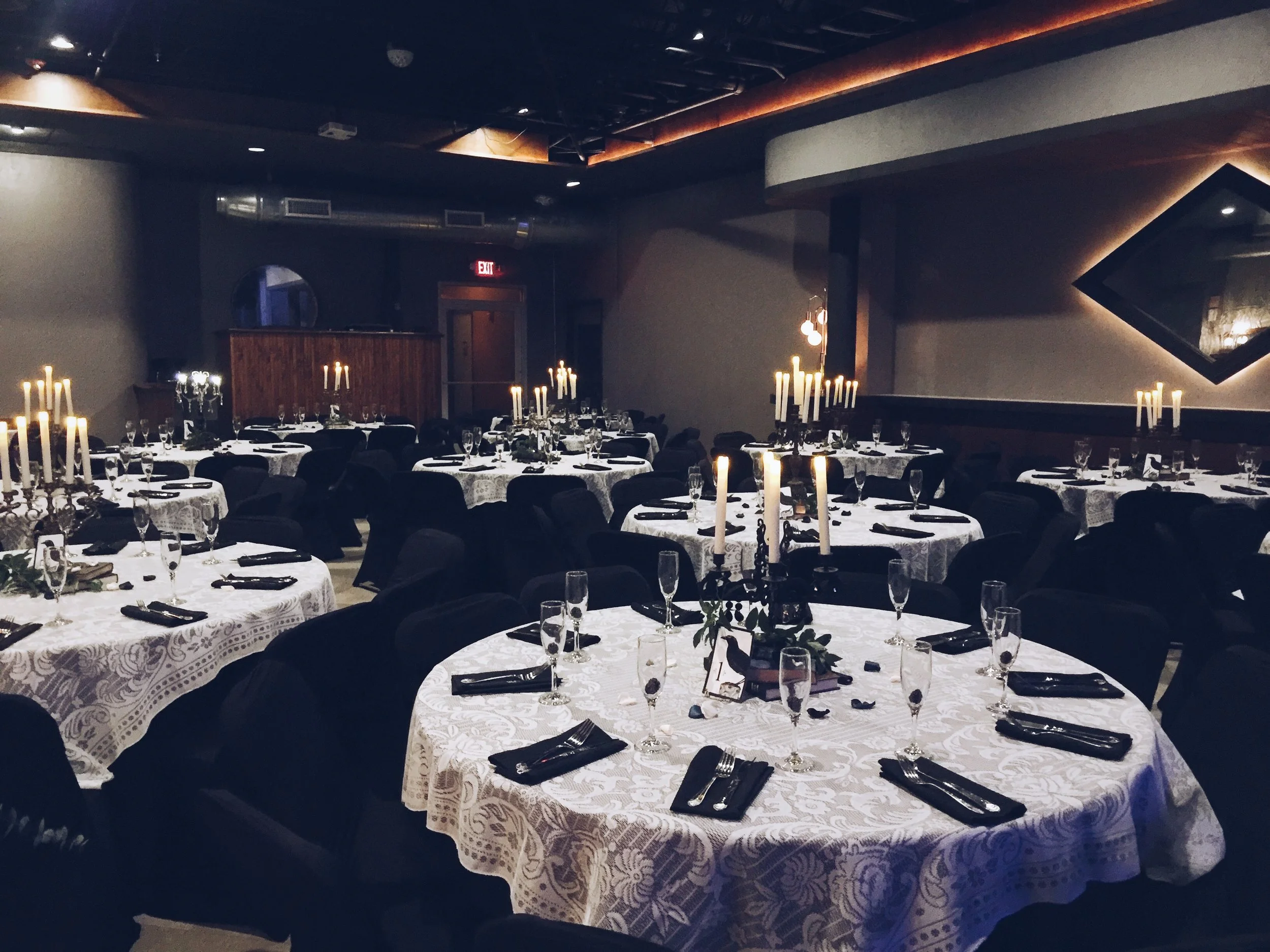
The physical layout will influence how comfortable and efficient the event feels. Before finalising the plan, review the venue interior and discuss how the space can be arranged for registration, seating, stage use, photography, merchandise, and hospitality. The goal is to create a clear flow rather than filling every available area.
A useful layout usually has a visible welcome point near the entrance, a waiting area that does not block the bar, and a dedicated artist zone away from the main queue. A branded backdrop can give photographs a consistent look, while a signing table should have enough room for books, posters, vinyl, pens, and protective packaging. Keep cables, cases, and spare stock out of guest pathways.
Audio-visual support matters even for a small gathering. A moderator needs a reliable microphone, audience questions need to be audible, and lighting should flatter both the artist and guests in photographs. Ask about available screens, playback equipment, microphones, technician support, and power access during the planning stage. If you are comparing the atmosphere with entertainment spaces familiar to Australian guests, this poker room guide offers a useful reminder that spatial design affects how people move, watch, wait, and interact, even when the event itself has nothing to do with gaming.
Plan hospitality, access, and comfort
Hospitality should support the event rather than distract from it. The Wooly offers in-house catering and a full-service bar, so confirm the menu, service style, dietary options, and timing with the venue team. A light reception may suit a gallery opening, while a plated meal could work better for a sponsor dinner or industry conversation. Include vegetarian, vegan, gluten-free, and allergen-aware choices when collecting guest information.
Alcohol requires a considered approach when artists and fans are sharing a small space. Keep water and non-alcoholic drinks easy to find, and avoid placing the bar directly beside the artist queue if it creates congestion. For a family-friendly or university-linked event, state age requirements clearly and ensure staff know how wristbands, identification, and responsible service will be handled.
Think about accessibility from the start rather than treating it as a last-minute request. Provide step-free routes where possible, seating for guests who cannot stand in a queue, readable signage, and a quiet option for anyone who finds crowded spaces difficult. In Australia, “no worries” is often used to make service feel welcoming, but genuine inclusion depends on concrete arrangements and a team member who knows how to assist.
Promote the event and manage RSVPs
Promotion should explain the value of attending without exaggerating the level of access. Use a concise artist biography, a clear description of the format, the venue address at 20 N Main Street, and practical details about timing, parking, transport, photography, and merchandise. Mention the proximity to the University of Florida and Shands Hospital where useful, particularly for guests unfamiliar with downtown Gainesville.
If the event is aimed at Australian fans or industry contacts, allow for the way the local market discovers live experiences. Audiences in Brisbane may already be familiar with venue-led listings around Fortitude Valley, while Melbourne guests may expect strong digital event pages, public transport notes, and a clear accessibility statement. Eventbrite, Humanitix, mailing lists, artist fan clubs, and Instagram can all play a role, but the booking page should remain the single source of truth.
Use a registration form to collect names, email addresses, ticket type, access requirements, signing preferences, and consent for event photography. Keep the data collection proportionate and explain how images may be used. Send reminders at useful intervals: immediately after booking, several days before the event, and on the day itself. Include the queue process so guests know whether they have a general admission place or a timed meet-and-greet slot.
For corporate guests, sponsors, university departments, or professional associations, a separate invitation process may be appropriate. The Wooly’s corporate events information can help frame a private artist conversation as a structured business or networking occasion rather than a standard public ticketed event.
Deliver the experience with care
Assign clear roles before doors open. One person should manage the artist and their representative, another should oversee registration and queue movement, and a host or moderator should keep the programme on time. A photographer, merchandise coordinator, venue liaison, and technical contact may also be needed depending on scale.
The host sets the tone. Prepare a few thoughtful questions, introduce the artist accurately, and explain the audience rules without sounding stern. Encourage guests to keep personal stories brief during one-to-one access so everyone receives a fair opportunity. If children, older guests, or people with mobility needs are attending, allow flexible pacing rather than treating the queue as a race.
Privacy and personal boundaries deserve explicit attention. Ask permission before hugs, confirm whether guests may record video, and make it easy for the artist to take a break. Never assume that a public figure wants every interaction posted online. A discreet staff member can redirect an overly persistent guest while preserving the atmosphere for everyone else.
After the event, send a short thank-you message with approved photographs, merchandise information, or a link to future programming. Review attendance, queue times, catering quantities, technical issues, and artist feedback while the details are fresh. For future bookings, the venue’s main event website is a useful place to understand its wider calendar and the kinds of audiences already gathering there.
A successful meet-and-greet is measured by more than ticket sales or social media reach. Guests should know where to go, when they will meet the artist, and what the experience includes. The artist should have privacy, proper breaks, and reliable technical support. The venue team should have a workable schedule and enough information to make decisions quickly.
The practical takeaway is simple: create a timed guest journey, confirm the room layout and production needs early, communicate in plain language, and protect the artist’s comfort throughout the event.
Follow the Calendar
News, ticket links, and last-minute additions posted across our channels.
Explore the Venue
Five pages covering the full run of programming and private bookings.
Browse the schedule for movie showings, live music, and art shows.
Weddings, holiday banquets, cocktail parties, and anniversaries.
Meetings, networking, luncheons, and fundraisers with AV support.
Concerts, film screenings, art showcases, and community pop-ups.
Photos from past concerts, private functions, and gatherings.