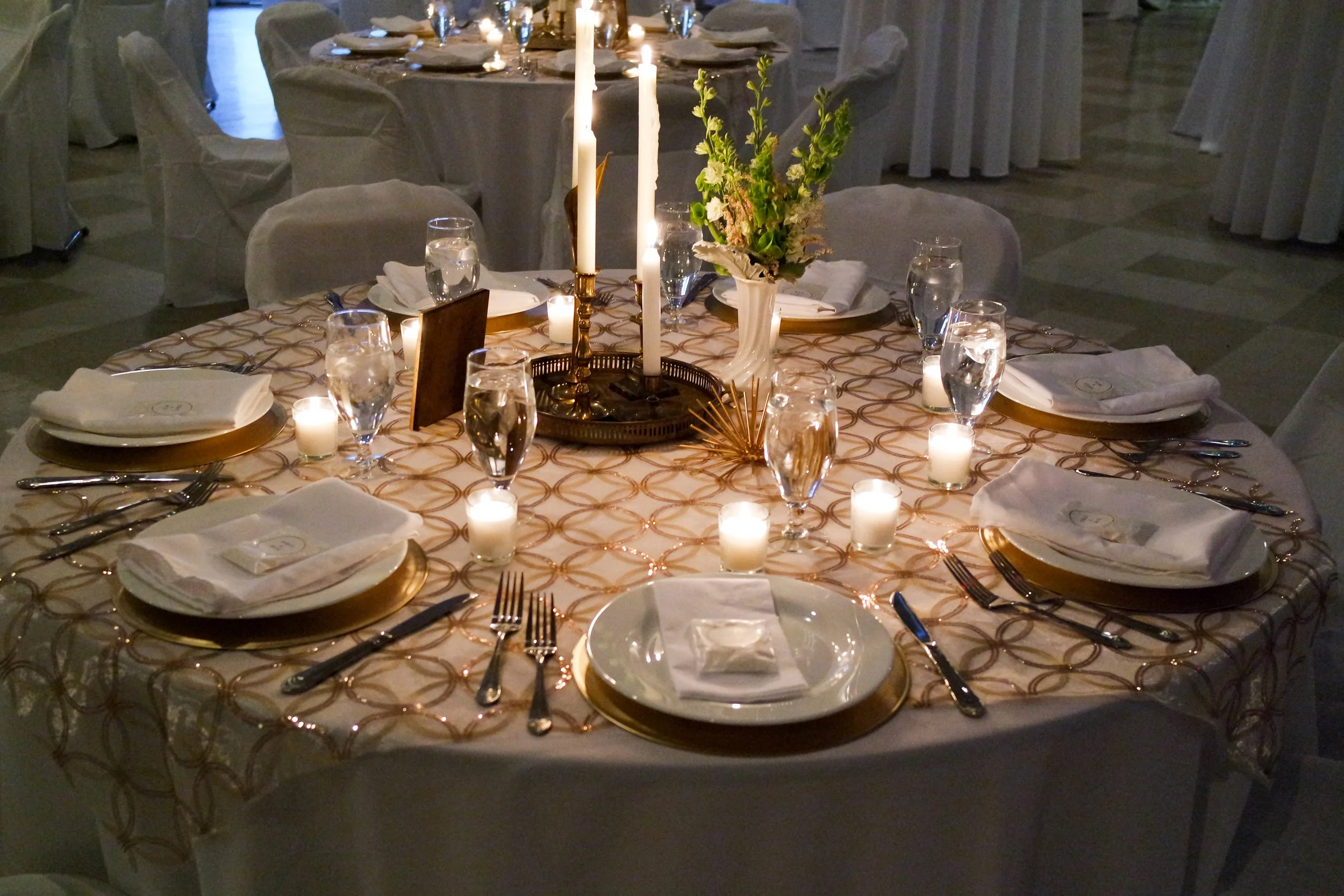
Live shows, movie nights, art openings, private parties, and corporate meetings at 20 N Main St — minutes from the University of Florida and Shands Hospital.
Stay in the Loop
Get the next show, screening, and event announcements sent to your inbox.
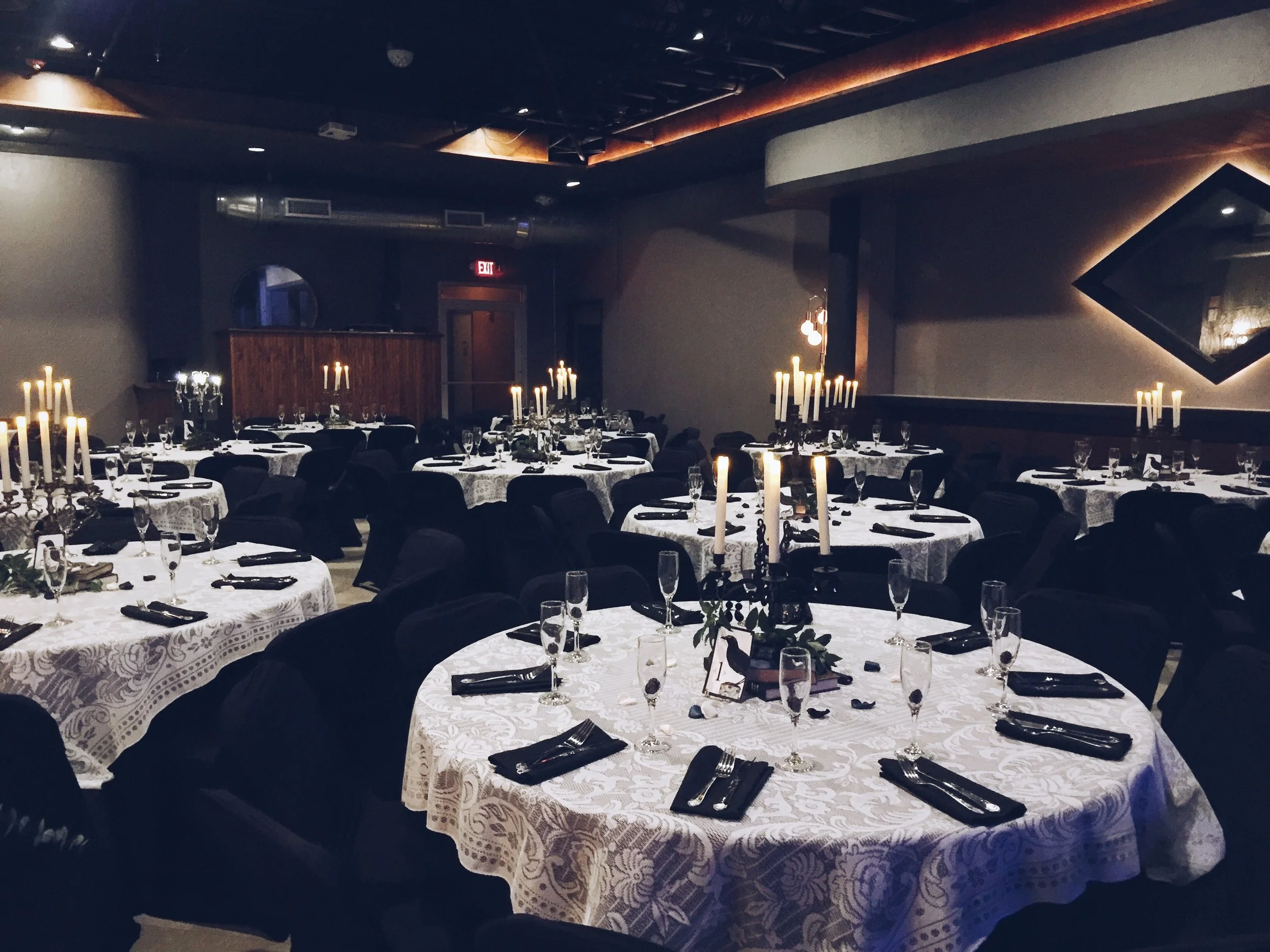
Inside the Room
A look at the stage, the floor, and the nights that move through them.
Live Painting Ideas For Events At The Wooly
A live painter can turn an event from a sequence of scheduled moments into something guests can watch develop in real time. At The Wooly in downtown Gainesville, an artist may capture a first dance, a concert’s shifting energy, a company’s visual identity or the atmosphere of a film screening while guests mingle around the room.
For Australian event organisers, the format can feel familiar yet flexible. Sydney gallery openings, Melbourne weddings and Brisbane corporate functions often place value on memorable experiences, local creative talent and content worth sharing after the event. The Wooly adds a practical American venue setting, with adaptable floor space, professional audio-visual support, in-house catering and a full-service bar near the University of Florida and Shands Hospital.
| Live painting format | Works well for | Guest experience | Main planning consideration |
|---|---|---|---|
| Large abstract canvas | Concerts, launches and parties | Guests watch colour and movement build with the music | Give the painter a strong sightline without blocking traffic |
| Figurative event scene | Weddings and milestone celebrations | The finished work records recognisable people and moments | Confirm who should appear and obtain permission for close portraits |
| Brand-led artwork | Corporate meetings and product events | The company story becomes a visual centrepiece | Share brand colours, logos and usage expectations early |
| Collaborative guest canvas | Community events and casual receptions | Attendees contribute marks, words or small details | Define clear rules so the artwork remains cohesive |
| Digital live illustration | Screenings, panels and hybrid events | The artist creates shareable visuals during the programme | Test software, screen connections, lighting and backup storage |
Choose A Painting Format That Fits
The best live art concept starts with the event’s purpose rather than the painter’s preferred technique. A wedding may benefit from an impressionistic scene showing the couple surrounded by guests, while a music night could suit bold, energetic shapes that respond to the performer. For a corporate gathering, a visual narrative about collaboration, place or brand values may have more relevance than a literal group portrait.
Consider whether the artwork should be finished during the event or completed with a few details afterwards. A 90-minute reception requires a simpler composition than a six-hour wedding. Large canvases can produce an impressive result quickly through broad colour fields, while detailed realism needs time and a controlled position. Tell the artist the event schedule, key moments and expected finish level before agreeing on the brief.
The painter’s visual language should also sit comfortably with the room. The Wooly’s flexible floor plan can accommodate a prominent easel near the stage, a quieter position beside the bar or a central creative station surrounded by guests. Avoid choosing a location solely for visual impact if it interferes with catering access, emergency routes or the movement between the entrance and dance floor.
Build The Brief Around The Event
A useful artist brief includes the date, access time, venue address, guest numbers, event type, canvas dimensions, preferred palette and the moments that matter most. Include reference images for people, products or locations that must be recognisable. If the artist is working from live observation, explain whether they may move around the room or need to remain in one designated area.
The brief should clarify ownership and display rights. A client might purchase the original painting, commission a reproduction for an office or request digital images for newsletters and social media. These are separate uses, so the written agreement should cover the original artwork, photography, editing, reproduction and credit. Australian businesses are accustomed to formal supplier agreements and GST-inclusive quotes; an Australian organiser working with a US venue should also confirm currency, tax treatment and payment timing.
A creative reference point can help everyone communicate. Browse live art inspiration when shaping a mood board, then reduce the idea to a concise direction such as “warm, layered and celebratory” or “high-contrast, architectural and connected to Gainesville”. Leaving room for interpretation usually produces a more authentic painting than dictating every brushstroke.
Coordinate With The Wooly Team
The venue should be involved before the painter is booked, especially when the artwork requires a large easel, wet-paint storage, special lighting or a camera feed. The Wooly’s private event facilities are described through its private event details, which can help organisers assess the broader space, catering and event support available. Confirm the proposed layout directly with the venue so the painting complements the event rather than becoming an obstacle.
Ask about setup and pack-down windows, loading access, floor protection, waste disposal and nearby power points. Acrylic paint generally dries faster and creates fewer fumes than oil paint, though even water-based materials need careful handling around guests, food and hire furniture. A drop cloth, low-profile barrier and clearly marked drying area protect the venue and reduce accidental contact with wet surfaces.
Lighting deserves specific attention. A painter needs enough illumination to distinguish colour, but harsh coloured stage lighting can distort the work and make reference photos unreliable. If the event includes live music or a film screening, agree whether the artist’s area will remain lit throughout the programme. A small neutral work light may be preferable to bright overhead lighting that affects the audience experience.
Invite Guests Into The Creative Process
Live painting works because it offers a visible process, not just a finished object. Guests can watch the composition take shape, ask about the technique and notice details appearing as the evening develops. A small sign can explain the concept, identify the artist and state whether guests may speak with them while they work. This makes the experience feel intentional rather than like an unexplained production station.
Interaction should match the event’s tone. At a relaxed birthday or community gathering, guests might add a single colour, signature or symbol to a shared canvas. At a formal wedding, it may be better to keep the main painting untouched and offer a separate card or small paper artwork for messages. Corporate guests may contribute words gathered during a workshop, which the painter incorporates into an abstract composition.
Useful ways to involve guests include:
- Displaying a short prompt such as “What should this evening feel like?”
- Inviting guests to choose between two palette directions before painting begins
- Offering a separate collaborative canvas for signatures, marks or short messages
- Showing selected progress images on a screen during dinner or a presentation
- Photographing the final work beside the people and place that inspired it
A host or event producer should protect the artist from becoming an accidental help desk. One designated contact can answer questions, manage guest participation and communicate schedule changes. This is especially useful at a busy Gainesville event where music, catering, speeches and bar service may all compete for attention.
Plan Safety, Permissions And Practical Details
The creative brief is only one part of the arrangement. A professional painter should have suitable public liability insurance, a clear cancellation policy and a plan for transporting wet artwork. The venue may ask for certificates of insurance, supplier details or approval of materials. Check these requirements well before the event rather than treating them as setup-day paperwork.
Australian organisers will recognise the importance of responsible service of alcohol, commonly called RSA. The actual event is in Florida, so Florida liquor rules and The Wooly’s service procedures govern the function, while Australian-based clients should still allow for the same practical concerns: minors near the bar, intoxicated guests, clear service boundaries and safe movement through the room. Local requirements for fire exits, occupancy and temporary installations also need to be confirmed with the venue.
Keep the painter away from crowded service paths and provide a stable chair or stool if the work involves long periods of standing. Secure cables with appropriate covers, keep solvent-based products out of guest areas and avoid placing an easel where a queue could knock it. If the artist will photograph guests, agree on consent procedures. A simple notice can explain that event photography is taking place, while identifiable close-up portraits may require more specific permission.
A second practical list helps keep the production orderly:
- Confirm canvas size, materials, easel dimensions and drying arrangements
- Share the run sheet, venue contact and arrival instructions with the artist
- Check lighting, power, camera feeds and any screen requirements
- Obtain approvals for logos, recognisable guests and post-event reproduction
- Schedule secure transport or storage for the finished, still-wet artwork
For events planned from Australia, allow time-zone differences between cities such as Perth, Adelaide, Melbourne and Gainesville. A video call scheduled for a convenient Australian morning may fall on the previous evening in Florida. Use one shared brief with version control so the venue, client, painter and production team are working from the same information.
Make The Finished Artwork Useful
The painting can continue working after the final guest leaves. At a wedding, it may become a home feature or anniversary gift. For a company, it might hang in a reception area, appear in an annual report or become a talking point at future meetings. A concert organiser could photograph the artwork for a tour recap, provided the agreement covers those promotional uses.
Plan the final reveal as part of the run sheet. The host may introduce the painter before the last song, invite guests to view the completed canvas after speeches or display a time-lapse during dessert. A discreet plaque can include the artist’s name, event date and title. If the painting is being transported, use suitable protective packaging and allow enough drying time before wrapping.
Think about the image as well as the object. A clean photograph taken in even light is more useful than a hurried phone image under coloured stage lamps. Capture the work alone, with the artist and with guests whose presence is central to the story. For Australian organisations, this is also a good point to check consent, privacy expectations and whether any people have opted out of event photography.
A successful live painting experience at The Wooly should feel integrated rather than added on. Match the artist’s approach to the occasion, provide a clear brief, reserve a safe and visible working position, and decide in advance how the artwork will be shared or kept. The practical takeaway is simple: treat the painter as part of the event production team from the first layout draft, not as a decorative extra booked after everything else is settled.
Follow the Calendar
News, ticket links, and last-minute additions posted across our channels.
Explore the Venue
Five pages covering the full run of programming and private bookings.
Browse the schedule for movie showings, live music, and art shows.
Weddings, holiday banquets, cocktail parties, and anniversaries.
Meetings, networking, luncheons, and fundraisers with AV support.
Concerts, film screenings, art showcases, and community pop-ups.
Photos from past concerts, private functions, and gatherings.