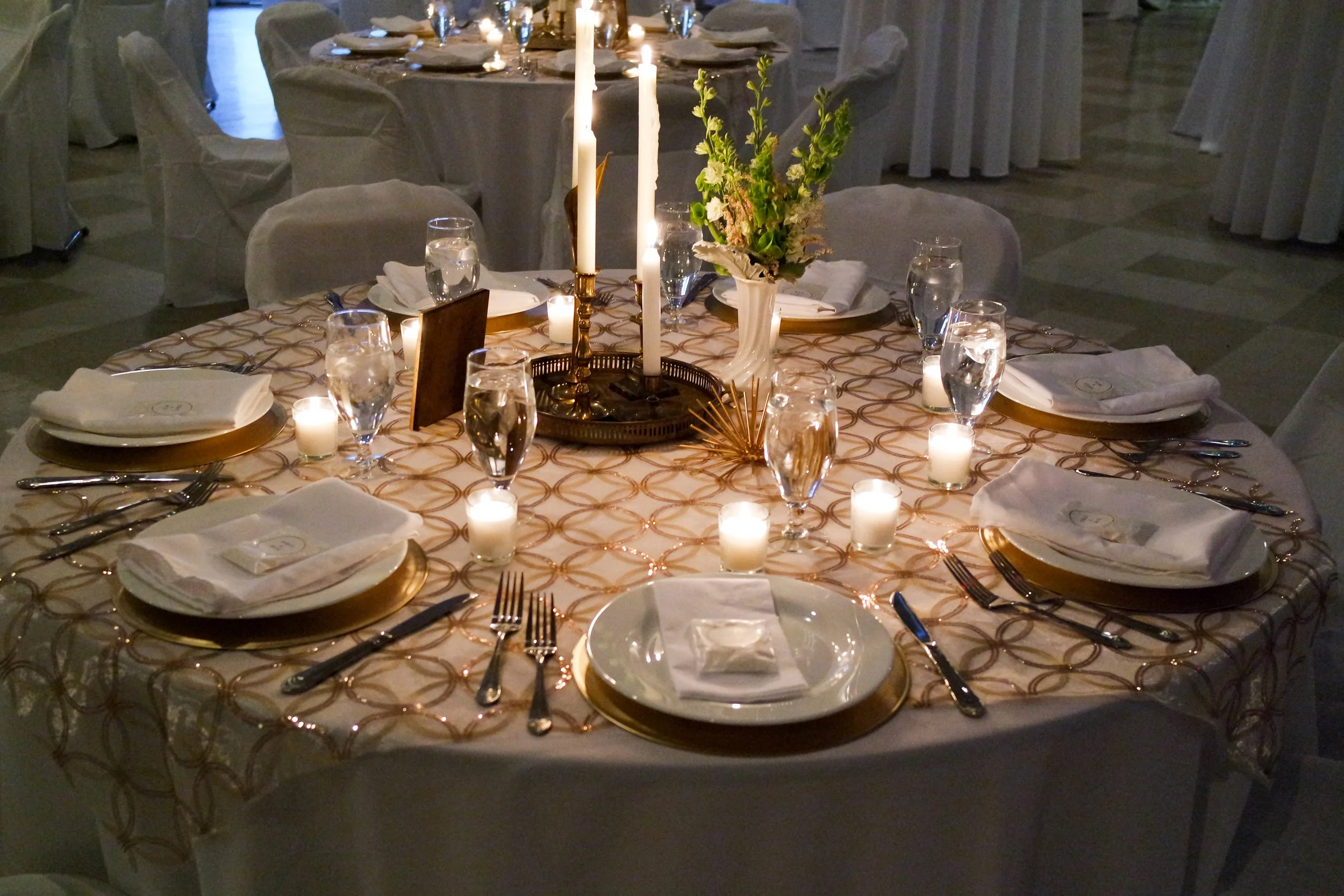
Live shows, movie nights, art openings, private parties, and corporate meetings at 20 N Main St — minutes from the University of Florida and Shands Hospital.
Stay in the Loop
Get the next show, screening, and event announcements sent to your inbox.
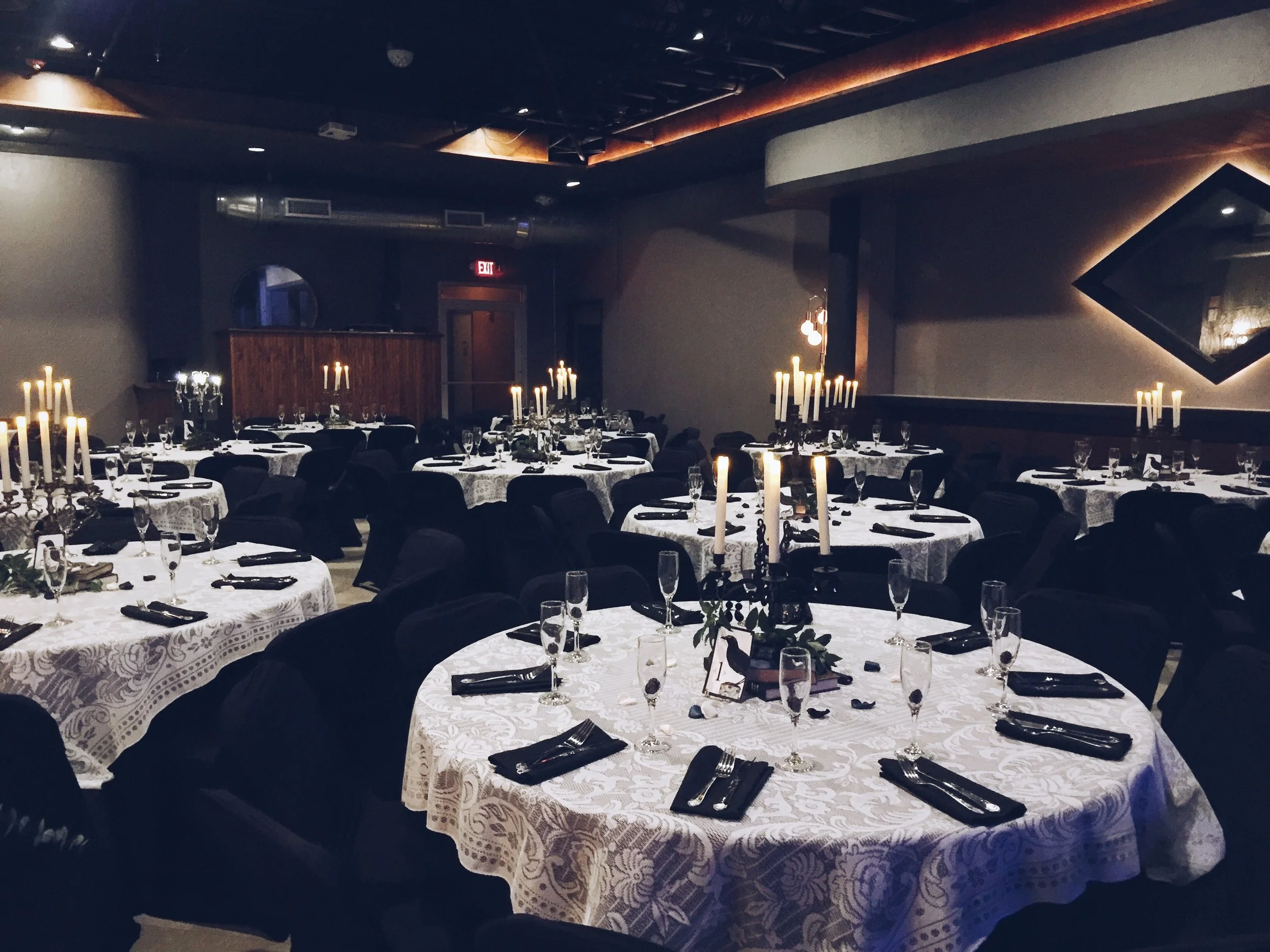
Inside the Room
A look at the stage, the floor, and the nights that move through them.

Using The Wooly’s bar as a dessert station
The Wooly’s full-service bar can do more than serve drinks. In downtown Gainesville, the venue combines a flexible floor plan, professional audio-visual support, in-house catering and a central location at 20 N Main Street. Those features make the bar a practical focal point for a dessert bar, sweet counter or coordinated pairing of desserts and drinks. Using The Wooly’s bar as a dessert station means treating it as a compact service environment, not simply a surface for placing a cake. Learn more about The Wooly S Acoustic Concert Series Lineup.
Australian celebrations often feature pavlova, lamingtons, brownies, meringue and generous buttercream, so those flavours translate easily to a mixed crowd. Guests at weddings in Sydney, Melbourne, Brisbane or Perth may also expect a casual grazing spread rather than a formal plated dessert. The operation still happens in Florida, however: food handling, alcohol service and pricing follow US and local requirements, not Australian assumptions. Familiar flavours can help people feel welcome while the venue’s licensed team keeps the event compliant. Learn more about Celebrating A Quinceanera At The Wooly.
Planning the conversion with the venue team
Begin with an operational conversation, not a decorative mood board. Ask the venue events team to confirm counter measurements and weight capacity, refrigeration, glassware, accessible routes, staff access, delivery windows and the last permitted service time. The Wooly sits near the University of Florida and Shands Hospital, so arrivals should account for campus traffic, nearby medical facilities and the event’s load-in schedule. A delivery window that looks generous on paper may need to be much narrower in practice.
Decide exactly how sweets and drinks will coexist. Will the sweets replace the drinking service, share the counter or open after the final toast? If the bar stays active, designate a separate guest-facing section for small desserts instead of letting trays crowd the bartenders’ workspace. The venue’s flexible floor plan helps, but clear boundaries prevent queues from merging and preserve a sensible pace for both services.
Agree who supplies plates, napkins, forks, display stands, ice, chilled storage, cleaning supplies and waste removal. Put those responsibilities into the catering and beverage orders before artwork and flavour ideas become the focus. It is also worth confirming sales tax, gratuity and any alcohol package at the same time, especially for Australian guests who may assume a different purchasing model.
Designing a layout that keeps guests moving
Design for three flows: guests finding the sweets, staff replenishing them and people continuing to the next part of the event. Keep cables, back-bar equipment and stored glass out of the guest approach. Position displays away from the counter edge, use stable, non-slip risers and leave a lower section at a reachable height. A clear accessible route matters even when most of the display is elevated, and the counter must be able to support heavier platters and chilled trays.
For a large family milestone celebration at The Wooly, move the visual centre of the sweets away from the busiest queue. A practical arrangement uses the front half of the bar for pick-up, a protected rear section for replenishment and the remaining length for drinks or staff only. Guests can take a slice, find a napkin and return to their seats without interrupting service.
Test the plan against the programme. At a film screening, avoid tall stands that obscure sightlines or loose decorations that catch projector light. During live music, keep conversation space beside the counter and prevent dessert plates from landing near audio equipment. The layout should work in the room’s real conditions, including dimmed lighting, crowded breaks and the sudden rush when a band or speaker finishes.
Choosing desserts for the occasion
Choose portions that can be eaten standing, eaten quickly and served without a full cutlery set. Mini tarts, brownie squares, macarons, small cakes and composed sweet bites suit most counters better than large slices that must be plated at the last minute. Australian favourites are useful anchors, but Gainesville’s heat and humidity make storage important: cream-filled lamingtons need reliable chilling, while meringue-based pavlova should stay dry and protected until service.
Match the sweet format to the length of the event. A continuous grazing spread suits a reception with moving guests; a timed dessert round suits a wedding after the main course; and small pairings suit a cocktail hour where guests expect to keep their hands free. The acoustic concert series at The Wooly illustrates the value of a simple plan: rapid service, minimal packaging and enough counter space for mingling rather than a formal queue.
Build a clear menu and dietary system at the same time. Use short labels for popular items and allergen categories, and colour-code choices so guests can identify dairy-free, vegan or nut-free options without reading a paragraph. Labels should describe ingredients, not promise that an item is safe for every allergy. Separate utensils and preparation areas reduce cross-contact, while the caterer remains responsible for verifying ingredients and handling claims.
If alcohol forms part of the pairing, keep actual pouring with the venue’s authorised bar staff. Guests can choose a mini dessert from the counter, then ask for a matching drink or alcohol-free version. This preserves service controls and gives non-drinkers an equal dessert experience, rather than making them choose a non-alcoholic substitute after the display has been picked over.
Coordinating service, safety and staffing
Assign responsibility for food safety before the first tray arrives. Confirm where chilled items will be stored, who will replenish ice and how long perishable fillings may remain outside refrigeration. The caterer’s plan should cover handwashing, sanitation, protection from guests and safe handling of utensils. A decorative open display can look beautiful while quietly undermining that plan, especially when sweets sit near a busy bar for several hours.
Some dietary needs involve texture as much as ingredients. Esophagitis guidance on radiation-induced inflammation, for example, explains why acidic, crunchy or abrasive foods may need to be avoided during some medical recoveries. Such cases are individual, so staff should not invent a medical diet or alter a shared item informally. The practical event response is to record confirmed needs privately, ask the caterer what can be prepared safely and label the finished portion accurately.
Australian hosts should also distinguish familiar practices from local rules. The Australia New Zealand Food Standards Code applies to food sold in Australia, while this event falls under Florida requirements and the venue’s policies. NSW and the ACT have formal responsible-service-of-alcohol training requirements for relevant staff, but the licensed bar team in Gainesville will work under Florida rules and the venue’s own licence conditions. Likewise, Australian guests rarely expect an automatic service charge, while US gratuity customs may differ; settle any arrangement in advance rather than adding it informally later.
Keep glass, hot equipment and liquids away from electrical cables and AV connections. Use cable covers where staff must cross a route, remove empty glasses before the sweets arrive and keep a clear path to the exit. Give one staff member authority to pause service if a spill or crowding problem develops. That small role prevents a minor issue from becoming a bottleneck during speeches, music or a busy dessert handover.
Comparing formats and timing the handover
Build the setup around a short run sheet rather than a vague arrival time. It should list the delivery window, placement of stands and trays, refrigeration checks, allergen-label placement, staff briefing, service opening, replenishment points and clearing time. Name the person who makes each decision and include a backup for refrigeration failure, a late delivery or a larger-than-expected queue. The venue’s audio-visual support may also require timed access around rehearsals and programme checks.
When staging, film screenings or corporate production are involved, bring the technical supplier into the conversation early. Ask the production lead to review production coordination resources and compare them with the venue’s AV requirements, focusing on sightlines, cable routes and announcements. The sweets should complement the programme, not force a technician to preserve a display that blocks a screen or creates a trip hazard.
Several practical formats suit The Wooly’s bar. This comparison focuses on service pattern and the risk that most often causes problems during an event.
| Format | Best fit | Service pattern | Main watchpoint |
|---|---|---|---|
| Drink-led counter | Cocktail hour or corporate reception | Bartenders serve drinks; a host replenishes small bites | Keep the display narrow and prevent crowding |
| Dessert takeover | Wedding after the main course | Guests collect portions from a simplified counter | Plan a clean handover from the bar team |
| Split counter | Live music, film or mixed programme | Sweets occupy one clearly marked section | Separate queues and label each area |
The format with the fewest moving parts is usually the strongest. A reception with steady circulation needs a small, continuously replenished display; a formal meal needs a clear handover from dinner to sweets. Choose the format that matches the guest count and programme, then keep drinks and desserts visibly separate if both remain open.
Final checks before guests arrive
Do a final walk-through with the venue representative, caterer and bar lead in the room, not only on a call. Check the guest sightline, accessible pickup point, staff storage, lighting, menu labels, refrigeration, cleaning supplies and the clear space around the counter. Confirm who opens the service, who answers allergen questions and who decides when to clear the last batch. Put the approved menu, floor plan and contact list in one shared folder.
The following checks are easy to overlook until the room is full, so make them explicit:
- Mark the exact dessert footprint on the floor plan, including the staff replenishment area and accessible pickup point.
- Match every menu item to its confirmed dietary category and the caterer’s ingredient list.
- Verify refrigeration, ice handling, label placement and lighting before the room opens.
- Give each role a named owner and one backup, including authority to pause service.
- Record the final guest count, stock levels, spare serving supplies and waste plan.
- Keep a printed run sheet with the venue and bar contacts at the service station.
A successful sweets counter should feel calm: guests can identify their choices, reach what they need and return to the conversation without blocking the bar. Visual details matter, but dependable refrigeration, clear labels and a well-briefed team do more for the experience than elaborate stands. Before guests arrive, start by drawing a scaled floor plan of The Wooly’s bar and sending that drawing to the venue and caterer for confirmation.
Follow the Calendar
News, ticket links, and last-minute additions posted across our channels.
Explore the Venue
Five pages covering the full run of programming and private bookings.
Browse the schedule for movie showings, live music, and art shows.
Weddings, holiday banquets, cocktail parties, and anniversaries.
Meetings, networking, luncheons, and fundraisers with AV support.
Concerts, film screenings, art showcases, and community pop-ups.
Photos from past concerts, private functions, and gatherings.