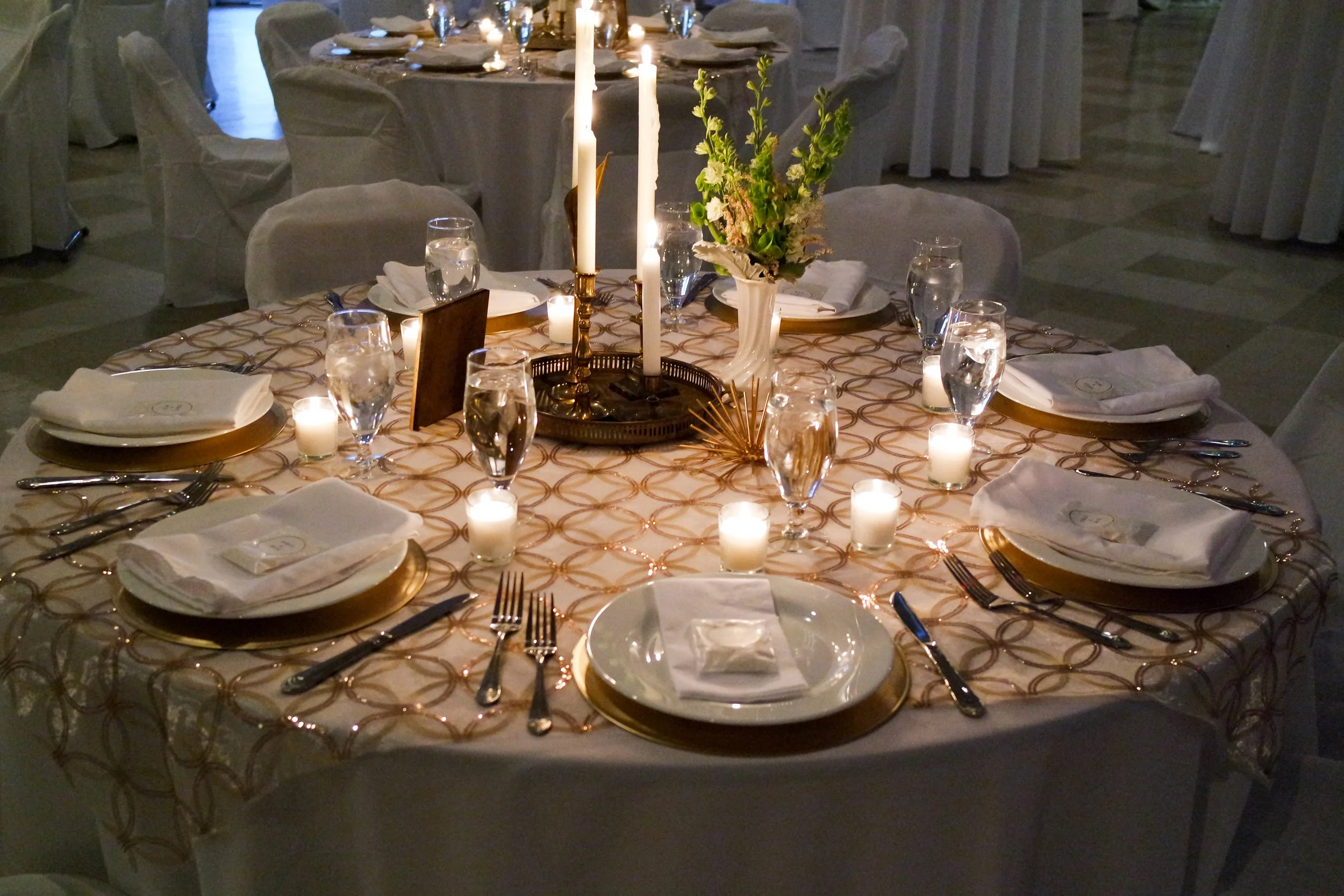
Live shows, movie nights, art openings, private parties, and corporate meetings at 20 N Main St — minutes from the University of Florida and Shands Hospital.
Stay in the Loop
Get the next show, screening, and event announcements sent to your inbox.
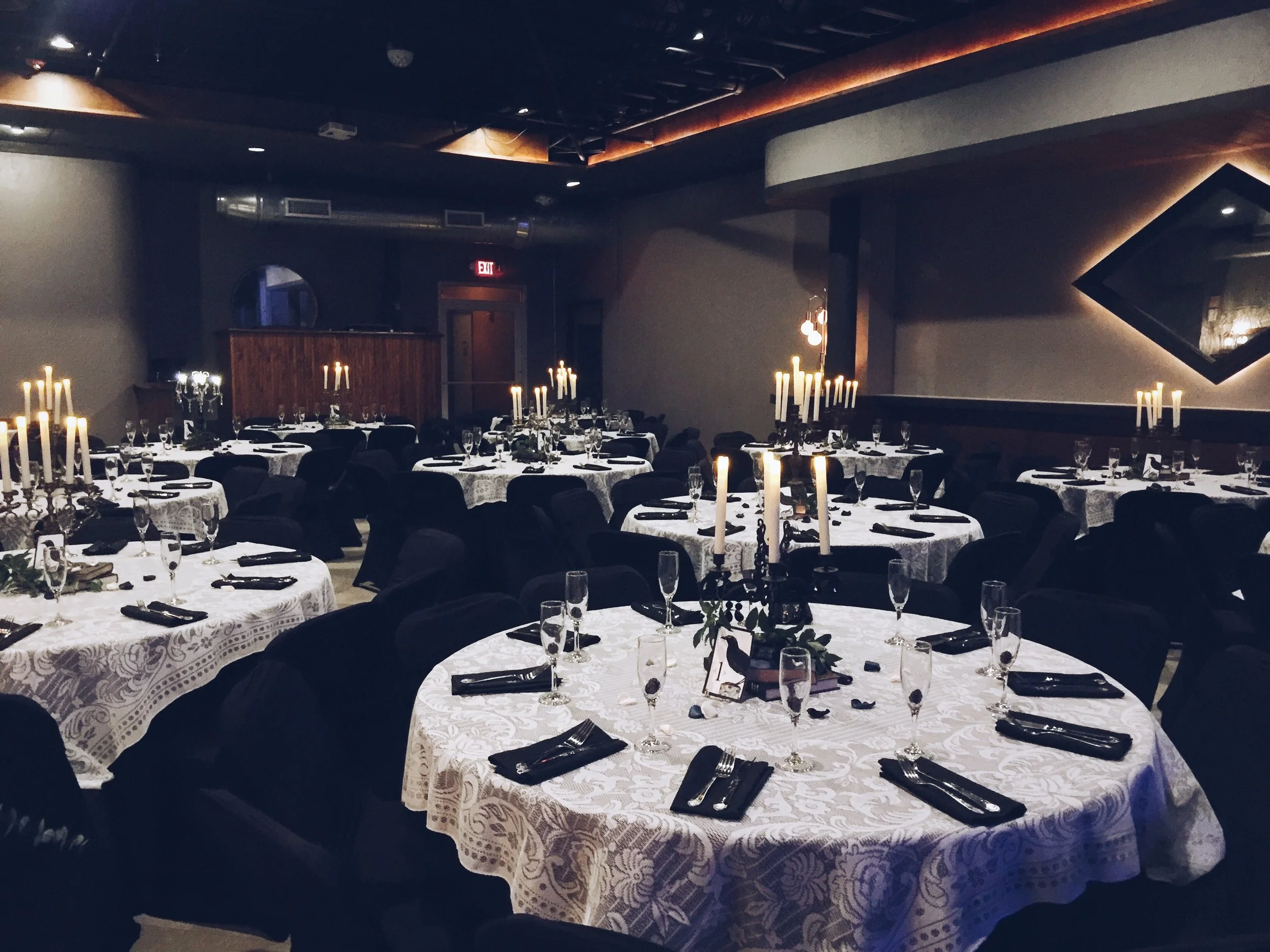
Inside the Room
A look at the stage, the floor, and the nights that move through them.

How to plan an after-party at The Wooly after a downtown show
An after-party works best when it feels like a natural extension of the show rather than a separate event with a difficult arrival. Planning an after-party at The Wooly after a downtown show lets guests move from live music into food, drinks and conversation without losing the energy that brought them out. If the performance is inside the venue, a change of lighting and seating can reset the room; if it is elsewhere downtown, the short transfer becomes part of the experience.
Guests from Australia also cross into a US event environment. Budgets work in US dollars, tipping is part of service culture, and licensed-bar service may feel different from pubs in Sydney, Melbourne or Brisbane. A good plan accommodates those differences without turning an informal night into a corporate checklist.
Start with the show and the crowd
Begin with the audience’s route rather than the decoration. If the main performance happens at The Wooly, agree how the room changes from concert mode to party mode while equipment is still in place. If guests arrive from another downtown venue, leave a sensible buffer for the walk, a short wait and latecomers. Confirm how returning or pre-registered guests will be admitted instead of assuming everyone needs a second ticket.
The flexible floor plan can support a progression from standing music space to lounge or shared tables, then to food and bar areas. For a seated show, agree when rows are cleared and whether guests should move their own chairs. For a larger crowd, keep a clear path between the entrance, performance area, restrooms and exits rather than filling every available metre with furniture.
Write down the feeling you want: a loud late-night celebration, a relaxed post-show gathering or a polished reception. That choice determines the volume, food format and alcohol service. Ask about expected numbers, the mix of guests and any access requirements, then build the layout around how people will actually move through the evening.
Choose a format that suits your guests
A music-led post-show gathering needs a different sound plan from the main act. Professional audio-visual support can help with a transition set, a DJ or live performer, but each option needs a confirmed slot and a clear sound check. If the party follows a show nearby, a feature act requires more rehearsal time than a carefully selected playlist. Confirm who controls levels and how the performance hands over to background music.
A conversation-first format works well for corporate guests, art openings or private celebrations. Reserve space where people can hear each other, then use short bursts of entertainment to redirect attention rather than keeping the sound system at full volume. The venue’s film screenings, art openings and spoken events demonstrate how a programme can shift from focused attention to social interaction without changing locations.
Australian travellers may expect late-night transport on Sydney’s rail and bus network or Melbourne’s trams, so do not assume regular late-night services in Gainesville. Arrange taxis, rideshares or a designated driver instead. Australian pub customs also need a little explanation: BYO policies vary between states and venues, whereas a US full-service bar handles ordering through staff under Florida’s legal drinking age and ID requirements.
Build the budget and booking timeline
Start with a written scope covering the room, staffing, audiovisual support, catering, bar service, security and cleaning. Some costs may be included while others are charged separately, so ask for a quote that identifies taxes, service charges and additional fees. Check whether a minimum spend applies, how bar consumption is charged and what happens if attendance falls below the agreed figure. Business-led bookings can use the venue’s corporate event enquiries as a starting point for framing a brief covering layout, service and audiovisual needs.
Australian planners may prefer to budget in Australian dollars, but the venue agreement will be denominated in US currency. Keep a margin for exchange-rate movement and check whether your payment method adds foreign transaction fees. Tipping is customary in the United States, although a service charge may already cover part of it. Confirm the gratuity policy before adding anything extra to the budget.
Allow six to twelve weeks for straightforward enquiries and more lead time for large private parties or corporate receptions. Work backwards from the guest arrival time, giving enough space for setup, sound checks, catering preparation and any change of room layout. Agree a realistic deadline for final numbers and record which details can still change after it. A shared planning document with one person responsible for approvals prevents small decisions becoming expensive corrections.
Coordinate sound, food and alcohol service
Treat sound, food and drinks as one service system. Confirm what the audiovisual support includes, which microphones are needed and when the main programme must end. A delayed handover can leave guests waiting beside a silent stage or make late food arrive before the first drink. Publish realistic timings for the welcome, performances, food rounds and bar service, then assign someone to coordinate them.
The in-house catering team can build a menu around the transition from performance to party. Ask about arrival snacks, substantial late-night plates, shared serves, dietary alternatives, portion sizes and service timing. Australian guests may request vegan, vegetarian or gluten-free choices, while allergies require careful confirmation of ingredients and preparation. Make no promises about a bespoke menu or allergen-free preparation until the catering team has approved the details.
The full-service bar requires its own staffing and payment plan. Establish who greets guests, whether ordering happens at the bar or tables, how tabs or pre-payment work, and when the final drink is served. Australian pub-goers may be accustomed to ordering rounds and sharing plates, so explain the local process if necessary. Keep water and alcohol-free options plentiful, and build enough nonalcoholic interest into the evening that no one needs to drink to participate.
Make the night distinctly Gainesville
The Wooly is at 20 N Main Street in downtown Gainesville, near the University of Florida and Shands Hospital. That central position makes it easier to build a show-and-party route around the downtown area. For guests coming from another venue, provide street-level directions and a realistic transfer time. For visitors staying overnight, include the correct entrance in every arrival message rather than expecting them to find the venue independently.
Gainesville’s mix of student life, the arts and the surrounding healthcare community gives the night a local character. The Wooly’s calendar of concerts, movie nights and community events brings together local and touring performers, while the city’s wider cultural conversations extend beyond the room. The Convo Series offers a useful place to explore that local arts and conversation scene. A local host, artist feature or community connection can give guests a reason to remain engaged after the headline act.
Plan for a varied audience without treating anyone as a stereotype. Students, residents, professionals and hospital workers may all attend a downtown event, so entry rules and practical arrangements should be clear for everyone. Explain age restrictions, accessibility provisions and clothing guidance in advance. Useful local touches often have little to do with themed décor: they involve a prompt welcome, straightforward wayfinding and a comfortable room that keeps people inside for the right reasons.
Compare formats before locking the plan
The right format depends on the atmosphere, audience and pace you need. Compare the amount of formal hosting, the role of live entertainment, the balance between food and alcohol and the desired finishing time. The same room can work for several formats, but the priorities change the setup and the staffing brief.
| Format | Best fit | Suggested flow | Main planning check |
|---|---|---|---|
| Live-show after-party | Music-led celebration and dancing | Main act, transition set, bar service, late food | Confirm performance finish and bar-close time |
| Corporate reception | Relationship-building with hosted introductions | Welcome drinks, standing and seated areas, food, presentation support | Lock the guest list, AV rehearsal and service charges |
| Private celebration | Birthdays, graduations or personal milestones | Arrival drinks, shared tables, cake, optional dancing | Confirm age rules, guest numbers and cake arrangements |
| Film or community gathering | Discussion-led cultural programme | Screening or talk, social drinks, shared plates | Decide when media stops and protect conversation space |
Choose the format around the guest experience rather than the available features. A music-led party needs more sound coordination and a later finish, while a reception depends on introductions, food pacing and a calm meeting area. Leave a short buffer between the main programme and the social phase so the change feels deliberate, not rushed.
Use a run-of-show to keep the night smooth
A short run-of-show is more valuable than a long list of ideas. One document should connect the room setup, welcome, performance, food, bar and departure, with one event lead authorised to approve changes. Share the final version with hosts, floor staff and bar personnel, then keep the guest-facing details in a separate, concise message.
Before doors open
- Lock the door time, performance finish, party start, food service and final bar call; name one person authorised to approve changes.
- Give the venue final guest numbers, access needs, dietary requirements and any paid-guest or speaker list.
- Send every guest the address, correct entrance, dress guidance, ID rules and return-transport options; name a designated driver where a group is using one.
- Brief hosts and staff on the guest experience, important introductions, payment arrangements and where late arrivals should be welcomed.
During the party
- Open the bar and deliver the welcome on schedule so guests do not wait for the room to feel ready.
- Check sound levels, queues, spills, food pace and quieter seating throughout the evening.
- Make practical announcements at useful moments, including the next food round, final bar service and transport reminder.
- Settle bills, reconcile the guest list and record any incidents before releasing the final staff.
The practical takeaway is to protect the transition from performance to celebration: agree the room, budget, service flow and departure plan before the show, then give guests clear information about where to go and when the evening ends. With those foundations in place, the party can begin the moment the last note fades.
Follow the Calendar
News, ticket links, and last-minute additions posted across our channels.
Explore the Venue
Five pages covering the full run of programming and private bookings.
Browse the schedule for movie showings, live music, and art shows.
Weddings, holiday banquets, cocktail parties, and anniversaries.
Meetings, networking, luncheons, and fundraisers with AV support.
Concerts, film screenings, art showcases, and community pop-ups.
Photos from past concerts, private functions, and gatherings.