Live shows, movie nights, art openings, private parties, and corporate meetings at 20 N Main St — minutes from the University of Florida and Shands Hospital.
Stay in the Loop
Get the next show, screening, and event announcements sent to your inbox.
Inside the Room
A look at the stage, the floor, and the nights that move through them.

How to plan a multi-course tasting menu at The Wooly
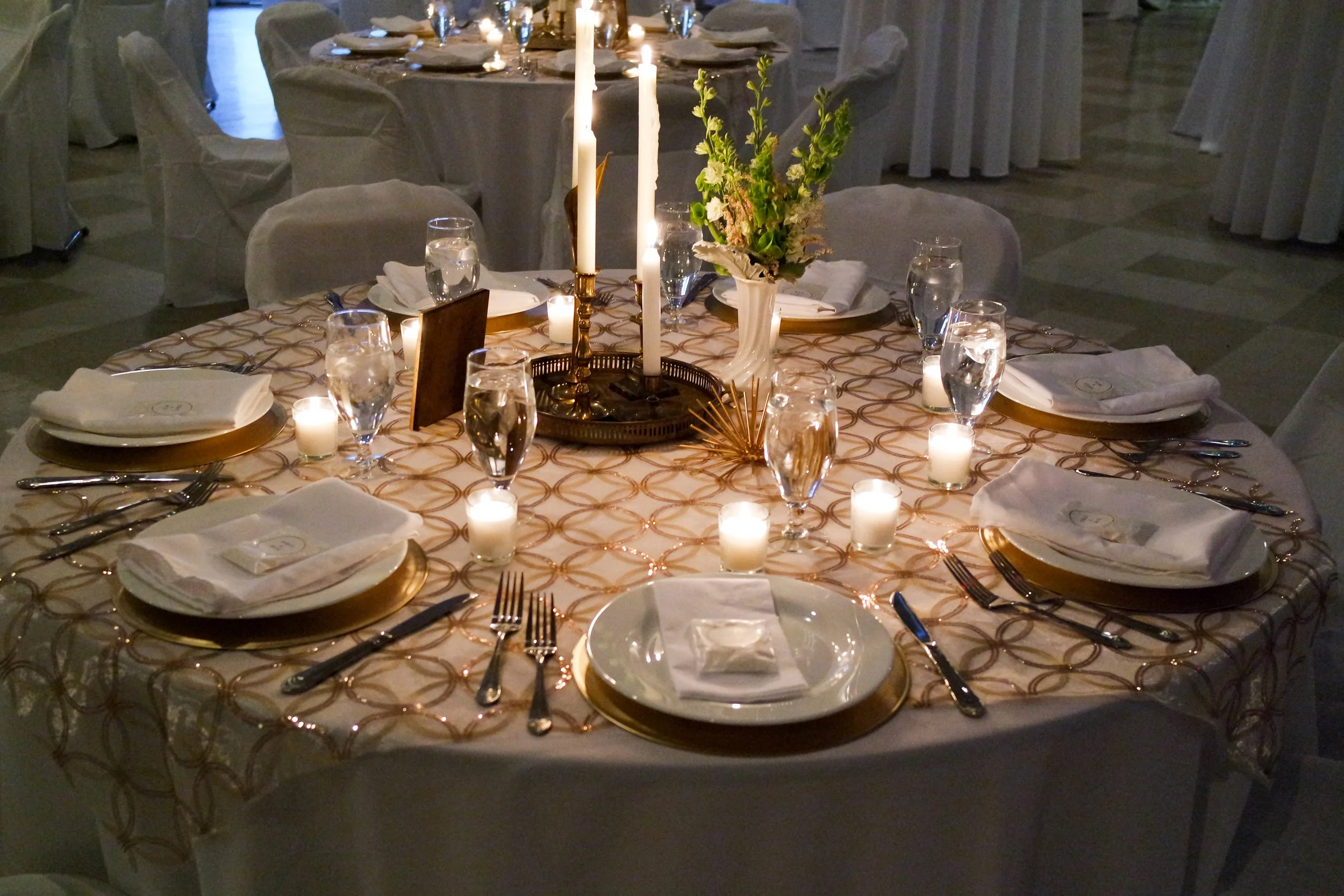
A tasting menu can turn an evening at The Wooly into a carefully paced experience rather than a standard private function. Guests move through a sequence of small plates, each with its own flavour, texture and presentation, while the venue’s flexible floor plan, full-service bar and professional audio-visual support keep the occasion feeling polished.
For Australian organisers bringing a group to Gainesville, Florida, planning also involves practical details that may differ from home. Portion sizes, dietary labelling, service charges, tipping, local produce and the timing of American events all deserve attention. With a clear brief and a well-rehearsed menu, a wedding reception, corporate dinner, product launch or arts gathering can feel generous without becoming chaotic.
Start with the purpose and guest profile
The menu should reflect the reason people are gathering. A wedding tasting dinner may call for elegant courses and a relaxed pace, while a corporate event could benefit from efficient service that leaves room for speeches, networking or a presentation. A film screening might need lighter plates that can be served before the programme begins, whereas an art opening may suit circulating bites followed by a seated supper.
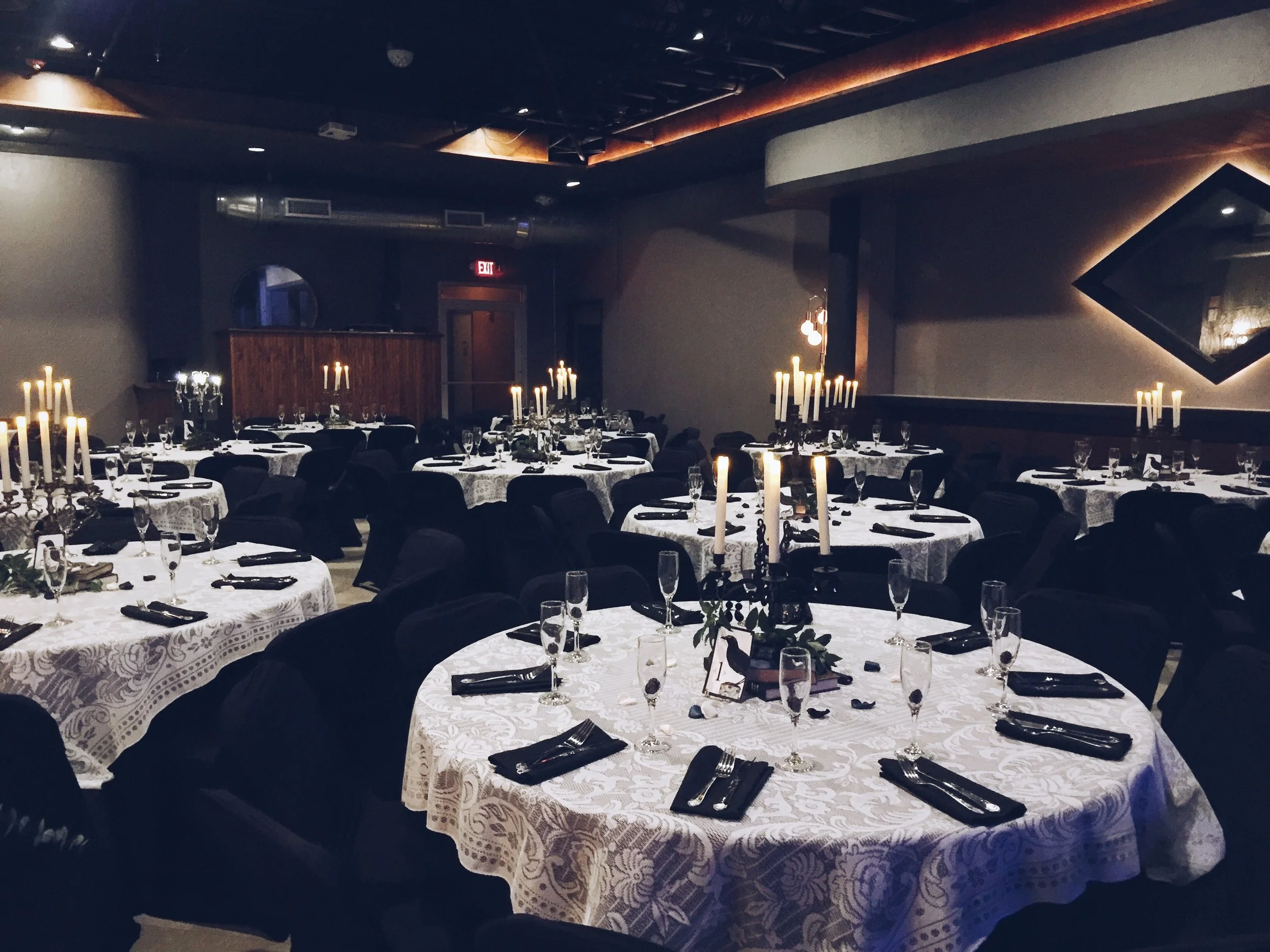
Begin with the guest list, event duration and preferred level of formality. Eight courses over three hours creates a very different atmosphere from five courses served in ninety minutes. Confirm whether guests will be seated at shared tables, placed at long banquet tables or moving around the room. The Wooly’s adaptable layout makes these formats possible, but the kitchen and service plan need to be built around the chosen arrangement.
Australian hosts should also account for how guests interpret a “tasting menu”. In Melbourne or Sydney, the phrase may suggest precise, chef-led portions and a wine pairing. In a more casual Brisbane or Perth setting, guests may expect a social progression of share plates. Explain the format on the invitation so nobody arrives expecting a buffet or a conventional three-course meal.
Build the menu around a clear progression
A strong multi-course menu has a beginning, middle and finish. The opening plate should be bright and inviting, perhaps a chilled seafood preparation, a vegetable amuse-bouche or a crisp bite with a fresh dressing. The next courses can introduce richer flavours, followed by a substantial centrepiece and a dessert that leaves the palate refreshed rather than overwhelmed.
Aim for contrast across the evening. Pair creamy textures with something crisp, rich sauces with acidic garnishes and warm courses with cool elements. Avoid repeating the same protein, cooking method or dominant seasoning. If the main course is slow-cooked beef with a deep reduction, earlier dishes might focus on citrus, herbs, grains or delicate seafood rather than another heavy preparation.
The menu should also make sense for Gainesville’s climate and local food culture. A humid Florida evening may favour chilled starters, seasonal fruit, herbs and lighter sauces. At the same time, visitors may appreciate regional touches such as Gulf seafood, citrus, pecans or local vegetables. These details give the dinner a sense of place without forcing every course into a theme.
Share a draft menu with the venue early and ask which elements can be prepared, held and plated consistently for the full guest count. A dish that looks excellent for ten people may lose its shape or temperature when served to eighty.
Design dietary choices into the menu
Dietary requirements should be gathered before the event, not handled as last-minute substitutions. Include clear fields for vegetarian, vegan, gluten-free, dairy-free, halal, kosher, nut allergies and other medically important concerns. Ask guests to identify allergies separately from preferences, since the kitchen may need different preparation and service controls.
A good tasting menu gives alternative diners a complete experience rather than a plate of omissions. If the standard course is a fish dish, the vegetarian version should have its own protein, texture and garnish. A mushroom, lentil, tofu, eggplant or seasonal vegetable composition can carry the same culinary importance as the main menu when it is planned from the start.
Use discreet place cards, seating notes or a service map so staff know which guests require alternatives. Avoid announcing someone’s allergy across the room. The menu card can use simple symbols or descriptions, while the event manager keeps the detailed dietary list for the service team.
This is especially useful for Australian groups accustomed to careful menu labelling at weddings, conferences and hospitality venues. Guests may also expect a clear distinction between gluten-free and low-gluten options, and they may use “capsicum” where American staff say “bell pepper”. A short shared glossary can prevent confusion when an Australian organiser, American kitchen and international guest list are working together.
Match drinks to the pacing
Beverage planning should support the courses rather than compete with them. A welcome drink can establish the mood, followed by a small wine pour or non-alcoholic pairing with selected courses. Full glasses at every stage can make the menu feel rushed, expensive and tiring, particularly when the dinner includes speeches or networking.
Consider one pairing per two or three courses instead of a different drink for every plate. Florida citrus, sparkling wine, light beers and fresh botanical non-alcoholic drinks can work well with seafood, vegetables and bright starters. Fuller-bodied red wine can be reserved for a later meat course. Ask the bar team to confirm pour sizes, responsible service procedures and whether guests may purchase additional drinks beyond the planned package.
Australian guests may be familiar with BYO rules, shared wine bottles and long lunches, but those assumptions do not automatically apply in the United States. Confirm whether service charges, sales tax and gratuity are included in the quoted beverage price. Tipping expectations also differ from Australia, so the host should understand the final invoice and brief any colleagues who are approving expenses.
For a corporate dinner, create a drinks budget per guest and decide whether it covers the whole event or ends after dessert. For a wedding, consider a signature cocktail that reflects the couple while keeping the wine and soft-drink service simple. The Wooly’s full-service bar can be incorporated into the event brief alongside the menu and room setup.
Plan the room, service and production
The physical journey between courses matters as much as the recipes. Decide where guests will be seated, where staff will enter with trays, where used plates will be cleared and where the bar queue will form. Keep presentation areas away from speakers, projectors and high-traffic entrances. If a central table is used for plating or display, make sure it does not obstruct service routes.
A tasting dinner often benefits from a short explanation before selected courses. A chef, host or producer can introduce a local ingredient, describe the theme or connect the menu to a film, exhibition or company story. Keep these moments brief so the meal retains its rhythm. Professional event production support can be valuable when microphones, lighting, projection or recorded content must work alongside dinner service.
Lighting deserves particular attention. Guests need enough light to see the food and move safely, while the room should still feel atmospheric. Coloured lighting can distort the appearance of delicate dishes, and loud music can make it difficult for servers to describe allergens or pairings. Create a run sheet showing when doors open, welcome drinks begin, each course leaves the kitchen, speeches occur and dessert is cleared.
If the event includes a film, concert or live performance, coordinate the meal around the programme rather than trying to serve through every major moment. A plated course during a quiet section may work, but hot dishes should not sit while the audience watches a crucial scene or listens to a performer.
Get the logistics right for Gainesville
The Wooly is in downtown Gainesville at 20 N Main Street, close to the University of Florida and Shands Hospital. That central position makes the venue convenient for local guests, university communities and visitors staying nearby, but organisers still need to give practical arrival information to an Australian group unfamiliar with the area.
Send the venue address, arrival time and transport guidance with the invitation. Gainesville is more car-oriented than central Sydney or Melbourne, and some guests may rely on rideshare services rather than public transport. Include the venue’s parking options in the guest information, especially if suppliers, older guests or people carrying formal clothing need a straightforward arrival plan.
Build in time for weather. Florida rain can be sudden, and heat or humidity may affect guests moving between cars and the venue. A summer event may need an earlier indoor welcome period, coat and bag arrangements are still relevant in air-conditioned rooms, and outdoor queues should be avoided where possible. International guests may also need reminders that American distances, road layouts and venue access procedures can differ from what they know in Australia.
Supplier timing is another key issue. Confirm load-in windows, refrigeration requirements, access for the caterer, tableware quantities and the collection of equipment after the event. If the dinner is linked to a business gathering or international programme, resources such as summit event planning may help organisers think through schedules, delegates and supporting activities before they finalise the meal.
Rehearse the details before guests arrive
A tasting menu should be tested as a complete sequence, not just as individual dishes. Schedule a menu tasting with the venue team and assess portion sizes, temperature, plating time and the gap between courses. A dish may taste excellent in isolation but feel too rich after three previous courses, or its garnish may become impractical when multiplied across a large service.
Create a written event brief covering the final menu, dietary alternatives, drink pairings, seating plan, speeches, music cues and contact details. Assign one decision-maker for the host side so staff are not receiving conflicting instructions from several colleagues. Include a contingency plan for delayed guests, missing deliveries, equipment issues and changes to the running order.
For corporate hosts, the menu can be linked to the wider purpose of the evening. A holiday function, for example, may need a balance between formal dining and easy conversation; planning ideas from holiday office party guidance can help shape the atmosphere, entertainment and guest flow. For a wedding or private celebration, confirm who will approve substitutions if a supplier becomes unavailable.
On the day, hold a short briefing with chefs, servers, bar staff, production crew and the event host. Review the first plate, the timing of every major transition and the procedure for allergy-related meals. A calm team with a shared schedule will make the experience feel effortless, even when the service involves many moving parts.
A well-planned menu leaves guests with more than a series of small dishes. It gives the evening a narrative, allows The Wooly’s flexible event space to work at its best and creates natural moments for conversation, performance and celebration. Start by writing the guest profile, event purpose, course count and dietary requirements into a one-page brief, then send it to The Wooly for a planning meeting.
Follow the Calendar
News, ticket links, and last-minute additions posted across our channels.
Explore the Venue
Five pages covering the full run of programming and private bookings.
Browse the schedule for movie showings, live music, and art shows.
Weddings, holiday banquets, cocktail parties, and anniversaries.
Meetings, networking, luncheons, and fundraisers with AV support.
Concerts, film screenings, art showcases, and community pop-ups.
Photos from past concerts, private functions, and gatherings.