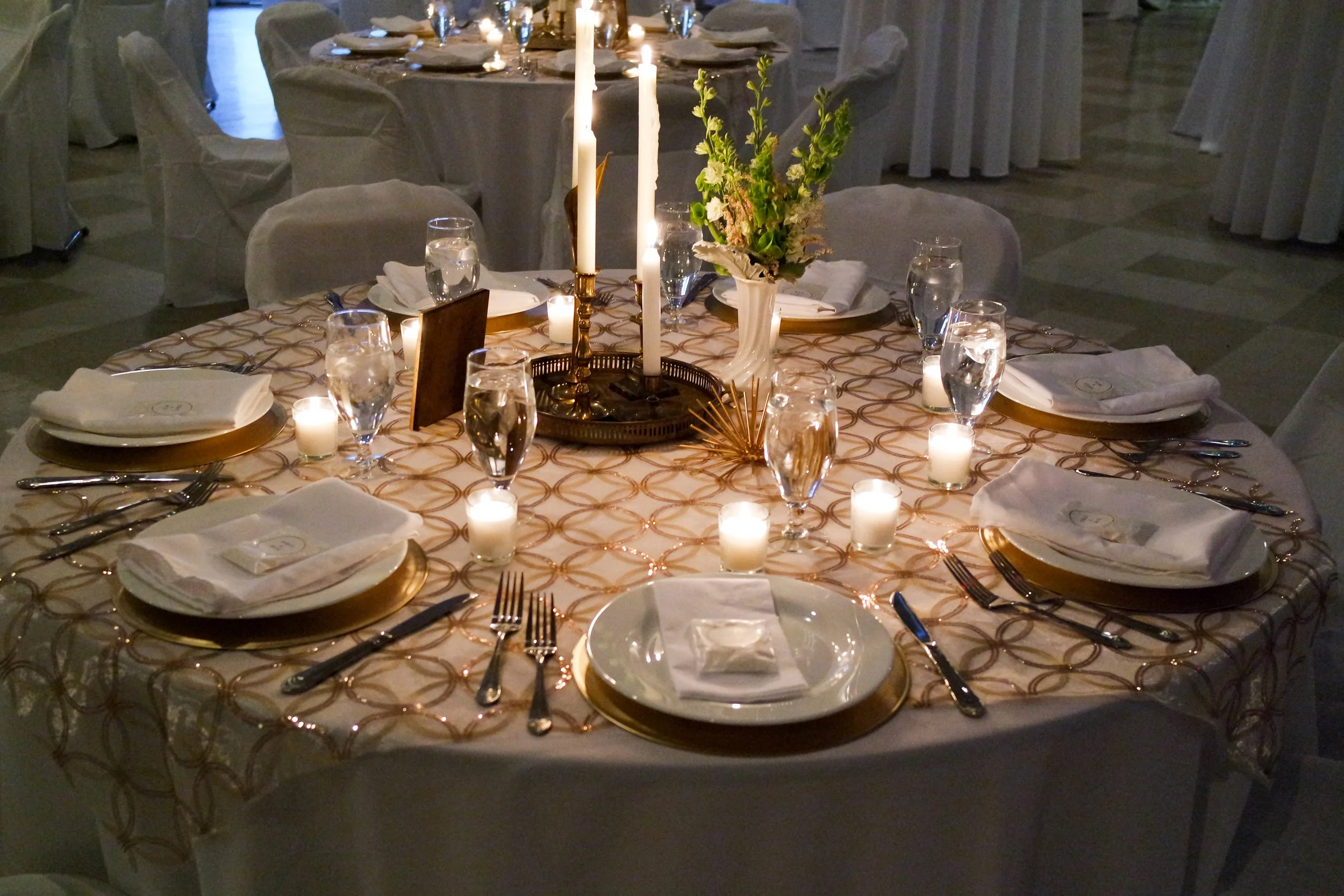
Live shows, movie nights, art openings, private parties, and corporate meetings at 20 N Main St — minutes from the University of Florida and Shands Hospital.
Stay in the Loop
Get the next show, screening, and event announcements sent to your inbox.
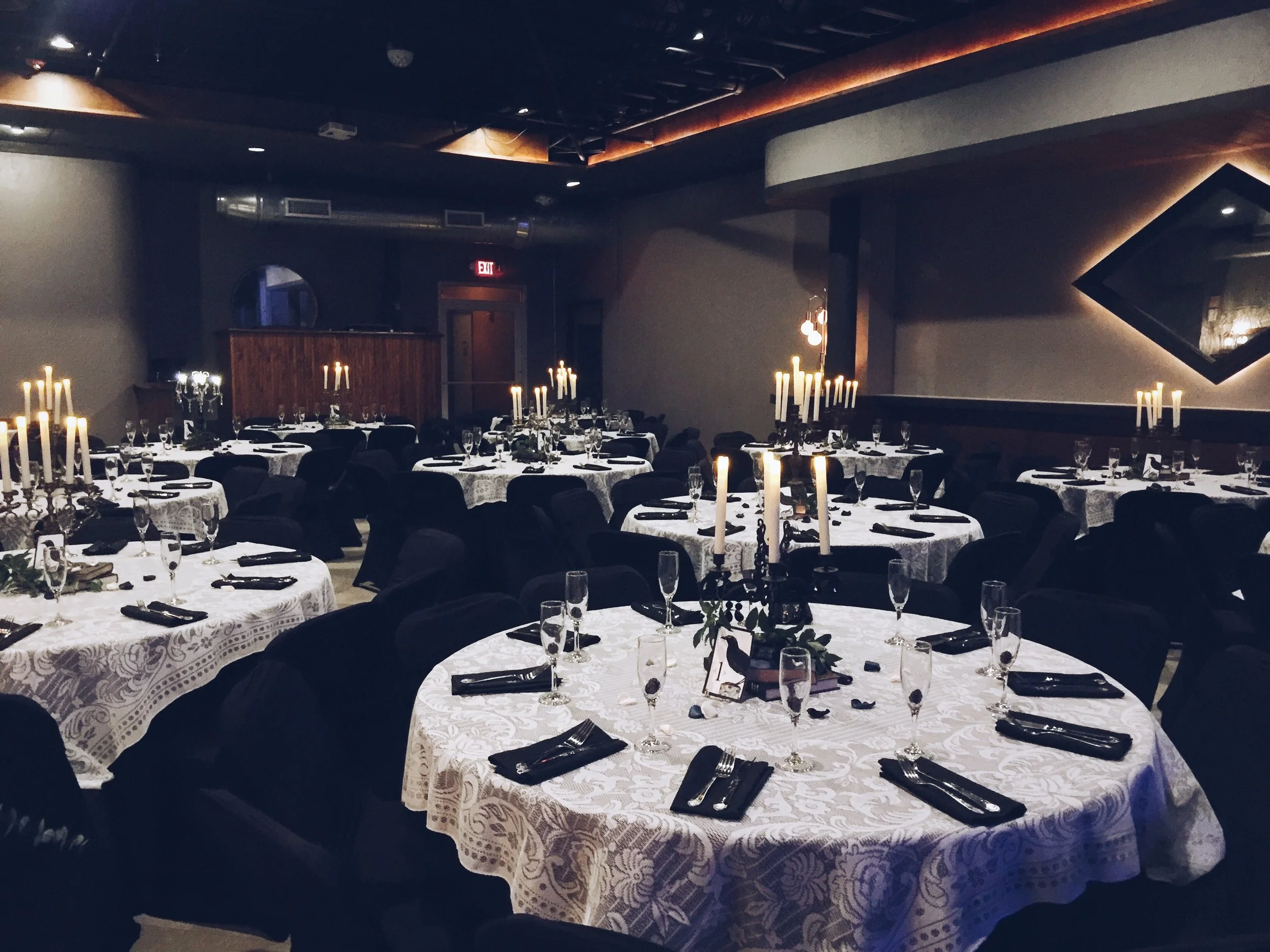
Inside the Room
A look at the stage, the floor, and the nights that move through them.
Planning A Memorable Film Festival Panel At The Wooly
A strong festival panel gives filmmakers, critics and audiences a reason to stay after the screening and keep talking. At The Wooly in downtown Gainesville, Florida, the adaptable event space, professional audio-visual support, full-service bar and in-house catering create a practical setting for a conversation that feels polished without becoming stiff. Learn more about Sambaipanema.net.
For an Australian organiser, the venue also offers a useful change of pace from familiar festival rooms in Melbourne, Sydney or Brisbane. Instead of treating the panel as a simple question-and-answer session, build it as a compact live production: define the audience, shape the discussion, test the technology and make the room feel welcoming from the first arrival until the last networking chat.
Define The Panel’s Purpose
Begin with one clear outcome. A panel might examine independent film financing, the changing role of documentary storytelling, regional cinema, genre filmmaking or the relationship between a director and their audience. A narrow theme helps guests prepare thoughtful examples and stops the discussion from drifting into a string of unrelated opinions.
Write a short event brief that covers the title, intended audience, session length, screening connection and desired takeaway. If attendees have just watched a film, explain whether the panel will unpack that specific work or use it as a starting point for a wider industry conversation. This distinction should appear in the event listing, moderator notes and opening remarks.
Australian audiences tend to appreciate a relaxed tone, but “relaxed” still needs structure. A panel held during an arvo festival session can feel conversational while following a firm running order. Allow time for audience questions, yet reserve enough minutes for the moderator to land the main theme rather than ending abruptly when the bar or venue timetable demands a changeover.
Choose Guests Who Add Contrast
A compelling panel rarely needs five or six speakers. Three guests and a skilled moderator often provide enough range for a lively exchange. Consider pairing a director with a producer, film programmer, cinematographer, actor, academic or community representative. Their professional differences should create useful tension and reveal several sides of the filmmaking process.
Look beyond recognisable names. A local filmmaker may speak more directly to Gainesville’s creative community, while a touring guest can provide a broader industry perspective. A panel about access, representation or emerging talent should include people with lived experience rather than relying entirely on institutional voices. Confirm each guest’s preferred name, pronouns, biography and pronunciation well before publicity begins.
For Australian participants joining remotely, account for the time difference between Florida and places such as Perth, Adelaide or the east coast. A Gainesville evening may fall at an inconvenient hour in Australia, particularly when daylight-saving schedules differ. A recorded contribution, pre-taped opening or carefully selected livestream time can preserve international input without making a guest endure an unreasonable overnight call.
Build A Room-Friendly Format
The Wooly’s flexible floor plan allows the panel layout to respond to the event rather than forcing every programme into a theatre arrangement. Use a shallow stage or front-of-room setup for a formal industry conversation, then consider a cabaret or semi-circle arrangement when the goal is connection between speakers and audience members.
Keep the physical design uncluttered. Each panellist needs a comfortable chair, a small table for water, a visible name card and enough space to enter and leave without crossing in front of another speaker. A confidence monitor or printed running order can help guests track timing, while subtle lighting keeps faces visible without competing with projected film stills.
Plan the transition from screening to discussion with care. Give the audience a short reset period to stretch, visit the bar or use the facilities, then bring them back with a clear announcement. If the film ends on an emotionally intense moment, the moderator may need a few minutes to acknowledge the response before moving into analysis. That pause can make the session feel considered rather than rushed.
Prepare The Technical Production
A film festival panel depends on clean speech. Ask The Wooly’s audio-visual team about microphones, speakers, lectern options, projection, lighting and playback formats during the first planning conversation. Lavaliers can support a natural exchange, while handheld microphones are often easier to manage during audience questions. The final choice should reflect how much the speakers will move.
Create a simple technical schedule with load-in, soundcheck, screening check, guest briefing and doors-open times. Test every video clip, presentation, subtitle file and still image on the equipment that will be used in the room. Carry a local copy of all media rather than relying on a streaming service or a guest’s laptop, and keep backup files in more than one location.
Australian producers will recognise the value of a proper bump-in window, especially when a festival has several sessions across one day. Confirm power requirements, adaptor needs and whether any visiting team is bringing equipment that uses a different standard. A short run-through should test the opening announcement, film playback, microphone handover, house lights and the audience-question process.
Shape The Moderator’s Role
The moderator is responsible for rhythm, inclusion and time. Brief them on the central theme, each guest’s expertise, sensitive topics, pronunciation and any areas that require care. Supply a running sheet with opening questions, follow-ups, time markers and a final question that gives every speaker a concise closing moment.
The best questions invite stories rather than yes-or-no responses. Ask what changed during production, which compromise improved the film, how a creative decision affected the audience or what emerging filmmakers misunderstand about the industry. Follow-up questions should respond to what has just been said, rather than making the conversation feel like a pre-written interrogation.
Set expectations around disagreement. A thoughtful challenge can energise the room, but the moderator should prevent interruptions, personal attacks or one confident speaker dominating the session. Australian audiences may respond well to a bit of dry humour and plain speaking, yet humour should never dismiss a serious subject or put a less experienced panellist on the spot.
Make The Audience Part Of The Event
Audience participation works best when it is designed in advance. Decide whether questions will come from a roaming microphone, written cards, a QR form or a host at a standing microphone. A QR option can help people who are shy about speaking publicly, though a staff member should still screen submissions for repetition, length and suitability.
Mention the question process before the panel starts and display it on a slide if possible. Reserve at least fifteen minutes for audience contributions in a sixty-minute session. The moderator can combine similar questions, request a brief response and move smoothly between technical craft, industry conditions and the audience’s emotional reaction to the film.
Think about hospitality as part of participation. In Australia, festival visitors often expect a chance to debrief over a drink or a snack rather than being moved straight out after the final answer. The Wooly’s full-service bar and in-house catering can support a post-panel gathering, whether that means light refreshments, a more substantial spread or an informal filmmaker meet-up.
Promote The Conversation Beforehand
Market the panel as an experience, not merely a list of names. A useful event description identifies the film or theme, explains why the discussion matters and gives audiences a reason to attend in person. Use a strong still, a short guest quote or a precise question such as how independent films find audiences after their premiere.
Include accessibility and practical information in every listing. State the venue address, start time, screening relationship, expected duration, ticket details and any captioning or access provisions. The Wooly is located at 20 N Main Street near the University of Florida and Shands Hospital, so clear directions and nearby landmark references can help visitors unfamiliar with downtown Gainesville.
Use the venue’s upcoming events calendar when coordinating publicity, and keep social posts consistent with the wider festival identity. Australian guests may be checking details from thousands of kilometres away, so use the time zone in international announcements and avoid vague phrases such as “this Friday” without the date.
Deliver A Smooth Festival Night
Assign one producer or stage manager to own the live schedule. They should know when guests arrive, where green-room supplies are kept, who introduces the session, when the screening stops and how the panel closes. A visible staff contact reduces confusion for speakers and gives the moderator someone to consult without leaving the room.
Welcome guests at the door with a clear check-in point and a programme that explains the evening’s sequence. If the event includes a screening, panel and networking period, say so plainly. A small signage package, branded slide loop and discreet wayfinding can make the venue feel intentional without overwhelming the character of The Wooly.
Use related cultural programming to set the mood before or after the discussion. The venue’s music and art calendar can help organisers understand how screenings, live events and visual arts activity coexist in the space. A panel may benefit from a short musical opener, an exhibition connection or a display of local film posters, provided these elements support rather than distract from the conversation.
Practical Details Worth Confirming
- Confirm the panel’s central question, guest roles and total running time before publicity is released.
- Book a technical rehearsal that includes film playback, microphones, lighting, captions and audience questions.
- Prepare moderator notes with opening prompts, follow-ups, time checks and a respectful plan for difficult topics.
- Design the floor plan around sightlines, accessibility, speaker comfort and a quick transition from screening to discussion.
- Arrange catering and bar service so guests can continue talking without blocking entry points or delaying the next session.
- Publish clear transport, timing, ticket and accessibility information for local and interstate visitors.
- Keep backup copies of every presentation, clip, subtitle file, guest biography and contact number on site.
A well-run panel should feel effortless to the audience because the complicated work happened beforehand. At The Wooly, the combination of a flexible room, technical support, hospitality and downtown location gives a festival team the foundation for a focused conversation with a genuine social life around it. The practical takeaway is simple: define the discussion tightly, rehearse the transitions and leave enough room for people to keep talking when the formal session ends.
Follow the Calendar
News, ticket links, and last-minute additions posted across our channels.
Explore the Venue
Five pages covering the full run of programming and private bookings.
Browse the schedule for movie showings, live music, and art shows.
Weddings, holiday banquets, cocktail parties, and anniversaries.
Meetings, networking, luncheons, and fundraisers with AV support.
Concerts, film screenings, art showcases, and community pop-ups.
Photos from past concerts, private functions, and gatherings.