
Live shows, movie nights, art openings, private parties, and corporate meetings at 20 N Main St — minutes from the University of Florida and Shands Hospital.
Stay in the Loop
Get the next show, screening, and event announcements sent to your inbox.
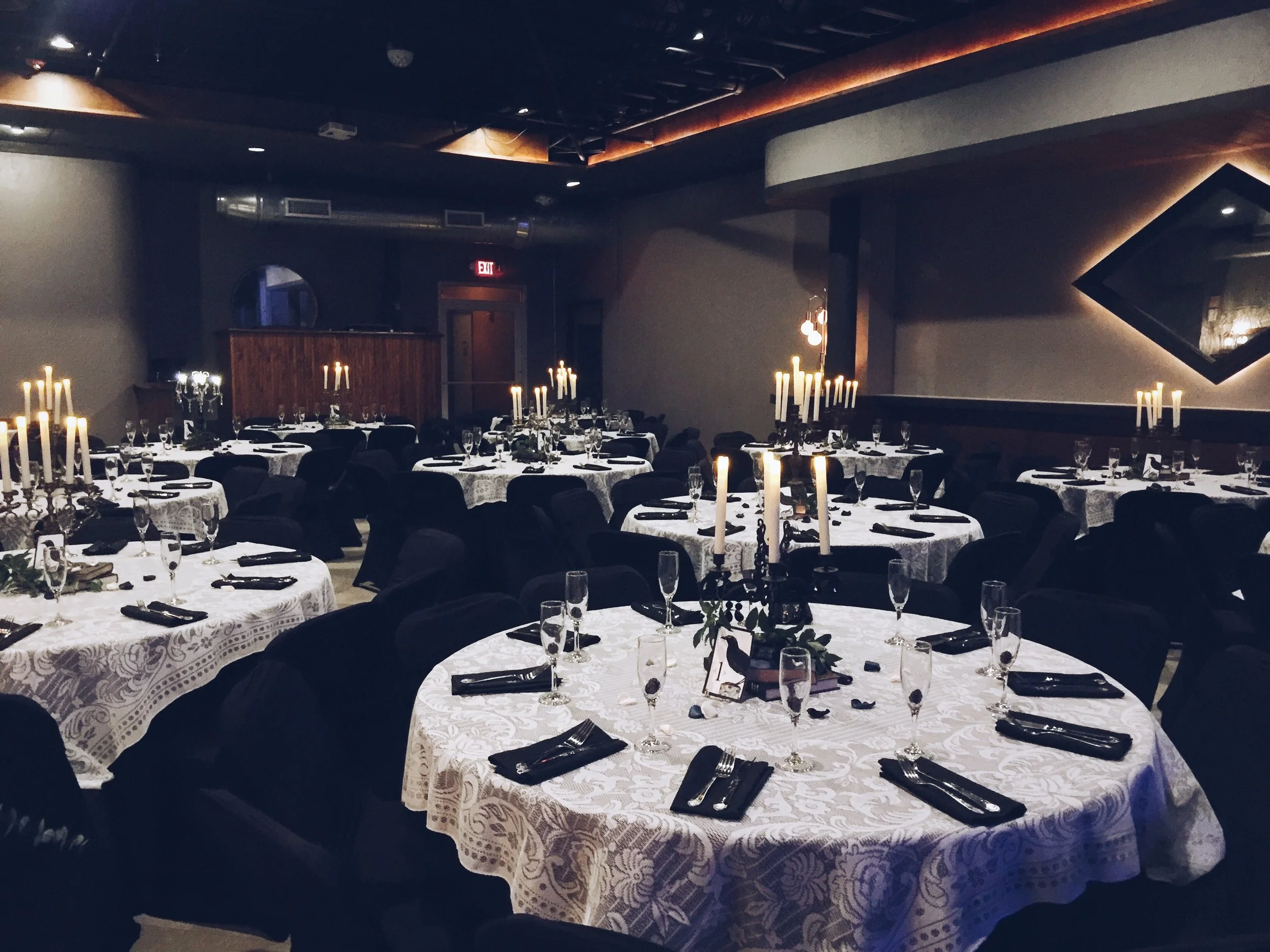
Inside the Room
A look at the stage, the floor, and the nights that move through them.

Handling rain delays for outdoor events at The Wooly
Rain can interrupt an outdoor gathering at The Wooly in minutes, especially when a Florida thunderstorm moves across Gainesville. A useful contingency plan treats a delay as an operational event rather than a last-minute inconvenience, with clear triggers for pausing, relocating or postponing the programme.
The venue’s central location at 20 N Main Street, near the University of Florida and Shands Hospital, makes coordination especially important. Planners should prepare guests, staff and suppliers before forecast conditions become a problem.
Build a wet-weather plan before guests arrive
Assign one person authority over weather decisions and nominate a backup. The decision owner should monitor forecasts, consult the venue manager, record each call and communicate it to the event team. Establish specific triggers for continuing, pausing, moving indoors and cancelling rather than relying on general instructions to use good judgement.
Use the National Weather Service for the official forecast, radar and alerts affecting Gainesville. Check conditions at fixed intervals, including several hours before doors open, immediately before guest arrival and at the scheduled start time. Rain, lightning, wind and flooding can develop independently, so a simple percentage forecast is not enough to determine whether an event can proceed.
The Wooly’s flexibility helps planners prepare different levels of response. Its flexible event spaces can support meetings, concerts, film screenings, weddings and community programmes. Confirm the indoor fallback area, its lawful occupancy and a covered route for guests before selling tickets that imply an outdoor experience.
Read Florida weather with Australian planning habits
Australian event planners recognise the value of checking the Bureau of Meteorology before travelling or attending an outdoor event. That habit translates well to Florida: use authoritative forecasts, watch live radar and avoid treating a benign morning forecast as a guarantee. Conditions around Melbourne can change quickly, Sydney’s coastal humidity can produce persistent rain, and Brisbane’s summer storms often arrive with intense downpours, all of which offer useful parallels for contingency planning.
Everyday Australian habits also transfer well. Guests expect to check weather warnings, carry compact umbrellas or waterproof jackets, wear suitable footwear and monitor public transport before leaving home. At The Wooly, provide a pre-event message covering the address, forecast, indoor access, suitable clothing and transport options. This reduces confusion when queues form outside or a covered entrance becomes the operational priority.
The Australian live-event market is highly competitive, so buyers expect transparent ticket transfers, credit options and clear cancellation policies when weather affects an event. Australian businesses should confirm whether deposits are charged in Australian dollars or US dollars and account for exchange-rate movement and payment fees. Australian Consumer Law may apply when an Australian ticketing intermediary or supplier sells the package, while an event held in Gainesville remains subject to Florida venue rules, occupancy requirements, insurance conditions and applicable alcohol-service regulations.
Keep guests informed without creating confusion
Send one pre-event communication that explains where the event will start, whether weather may affect entry and when the final operational decision will be made. Include ticket, email, SMS and social channels where guests can receive updates. State that a pause, relocation and cancellation are different outcomes, and explain which service channels will confirm each one.
During an incident, publish short, timestamped messages through the agreed channels. A useful sequence identifies the current status, the action being taken, the next update time and where guests should go. Staff should use the same approved wording, avoiding speculation about restart times. Provide the information in accessible formats and announce changes through the venue’s audio system as well as digital channels.
Define what constitutes a short pause, an extended hold and a relocation. Thirty minutes can be an upper boundary for an ordinary performance pause, but it is not a lightning or flood-safety rule. If the interruption extends beyond the agreed period, activate the rescheduling or credit process described in the ticket terms. Do not promise a restart time until the weather lead, venue and safety lead have confirmed it.
Protect equipment, people and accessibility
Outdoor audio and electrical equipment require specific protection. Use weather-rated covers, elevate power connections, inspect circuit protection and secure cables with accessible ramps that will not become trip hazards. A qualified technician should control exposed electrical systems. Small tents, weighted signs and menu boards can become dangerous in strong wind, so use only structures approved by the venue.
Lightning requires immediate suspension of outdoor activity. When thunder is heard, move guests into a substantial building or enclosed vehicle and follow the standard thirty-minute safety period after the last thunder. Keep emergency exits and routes for hospital and university personnel unobstructed. Apply the venue’s indoor and outdoor options to the approved evacuation and shelter arrangements rather than improvising locations on the night.
Manage slip risks, accessible routes and guest assistance as part of the weather response. Place appropriate anti-slip matting at entrances and service points, remove loose outdoor signage and provide staff to direct guests with mobility requirements. The full-service bar should remain within its permitted area, with glass collection and additional transport information available if guests are delayed or a service is paused.
Align catering, bar and supplier contracts
Outdoor catering needs a covered, wind-safe service plan, protected equipment and reliable temperature control. A large buffet catering guide illustrates the coordination required for staggered service, guest flow and equipment placement. At The Wooly, in-house catering should confirm where food can be held safely, whether service windows must change and how a relocated programme affects staffing.
Update contracts with performers, caterers, production suppliers and transport providers. Address who pays for a covered fallback, which expenses are refundable, and whether weather, illness or venue closure trigger rescheduling, credit or cancellation. Confirm insurance certificates, licensing, payment milestones and the governing law. Speaker-led events can also learn from the disciplined content schedule used by TEDxYouthBath events, where programme timing remains important even when production conditions change.
The following comparison turns weather conditions into consistent decisions across guest service, venue operations and financial handling.
| Conditions and trigger | Guest-facing response | Operational response | Commercial response |
|---|---|---|---|
| Light rain with no lightning warning | Continue entry and programme; mention covered access | Deploy matting, protect equipment and monitor queues | Proceed under the original agreement |
| Heavy rain, thunder or lightning warning | Pause entry or performance and direct guests to shelter | Secure equipment, move queues and confirm indoor capacity | Hold the start while the next decision time remains viable |
| Strong wind, flooding or an evacuation order | Relocate, postpone or cancel according to venue instructions | Activate the approved safety and emergency plan | Apply the agreed rescheduling, credit or cancellation terms |
| Rain stops after an extended interruption | Resume only after venue and safety approval | Inspect the site, equipment and routes before reopening | Communicate the revised programme promptly |
A recorded decision log should accompany the chosen response. It gives the event team a consistent account of what was known, who authorised the action and when guests were notified. It also reduces disputes about refunds, supplier costs and the reason for postponement.
Run the delay as a controlled sequence
Use two checklists to divide responsibility between advance preparation and event-day decisions. Assign each action to a named person rather than leaving it with a general event team.
Before guests arrive
- Confirm the weather decision owner, safety lead and backup contacts.
- Set monitoring times, delay triggers and authorised relocation points.
- Reserve covered indoor space and verify its occupancy and accessibility.
- Issue guest guidance about weather, clothing, entry and transport.
- Obtain insurance documents and written approval for every supplier’s plan.
- Test communications, ticket scanning, audio equipment and the guest-update message.
When conditions change
- Check the official forecast, radar and lightning alerts at each agreed interval.
- Record conditions, decisions, times and the person authorising each action.
- Notify guests through every promised channel, including accessible announcements.
- Pause entry, move queues, protect equipment and assign staff to shelter routes.
- Track attendance, catering demand, bar service and transport requirements.
- Confirm whether the event will resume, relocate or move to another date.
A smooth response depends on decisions being made before the forecast turns into a venue incident. Issue the signed wet-weather run sheet to The Wooly, suppliers and the guest team 48 hours before doors open, naming the decision owner, weather thresholds, covered fallback space and message schedule.
Follow the Calendar
News, ticket links, and last-minute additions posted across our channels.
Explore the Venue
Five pages covering the full run of programming and private bookings.
Browse the schedule for movie showings, live music, and art shows.
Weddings, holiday banquets, cocktail parties, and anniversaries.
Meetings, networking, luncheons, and fundraisers with AV support.
Concerts, film screenings, art showcases, and community pop-ups.
Photos from past concerts, private functions, and gatherings.