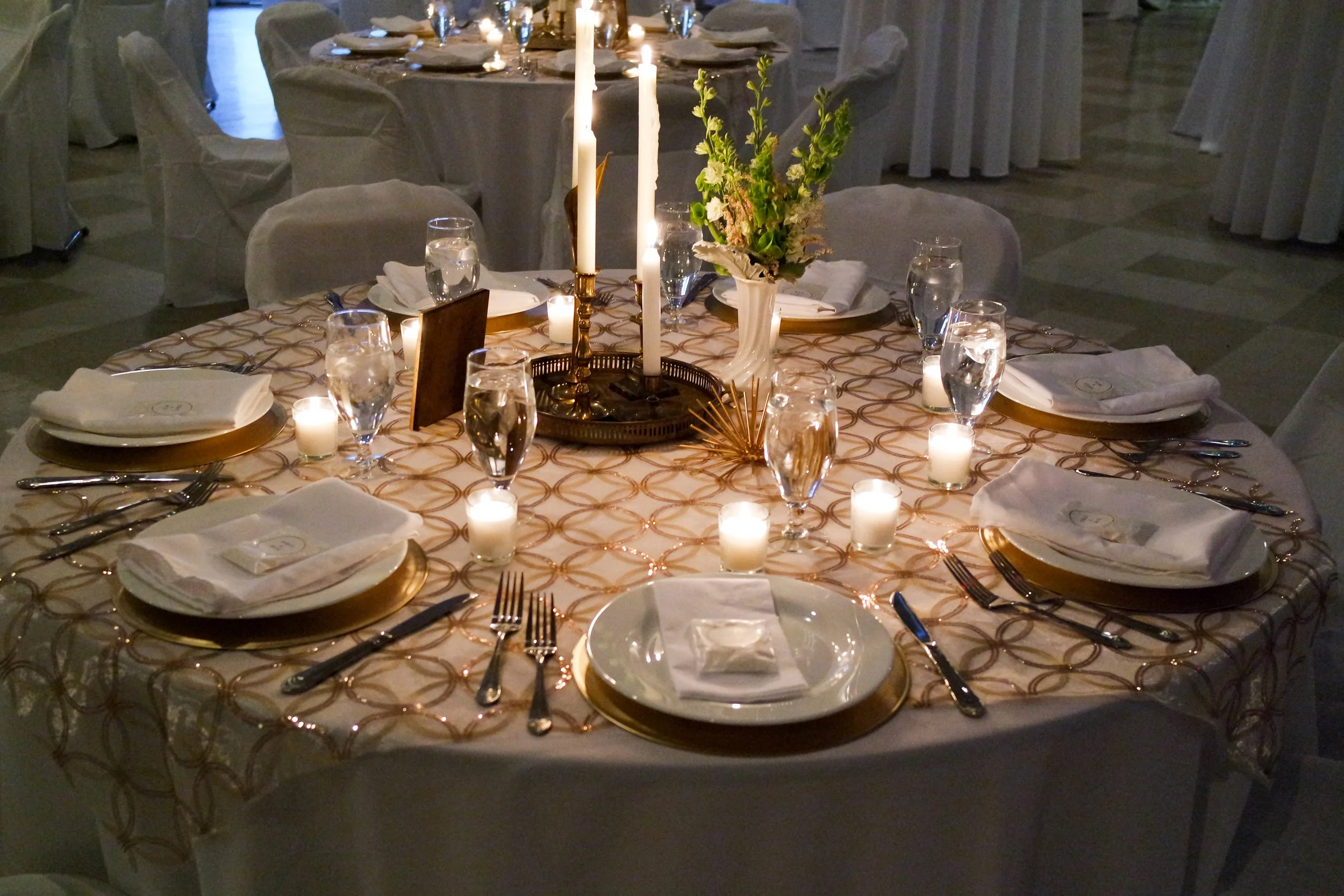
Live shows, movie nights, art openings, private parties, and corporate meetings at 20 N Main St — minutes from the University of Florida and Shands Hospital.
Stay in the Loop
Get the next show, screening, and event announcements sent to your inbox.
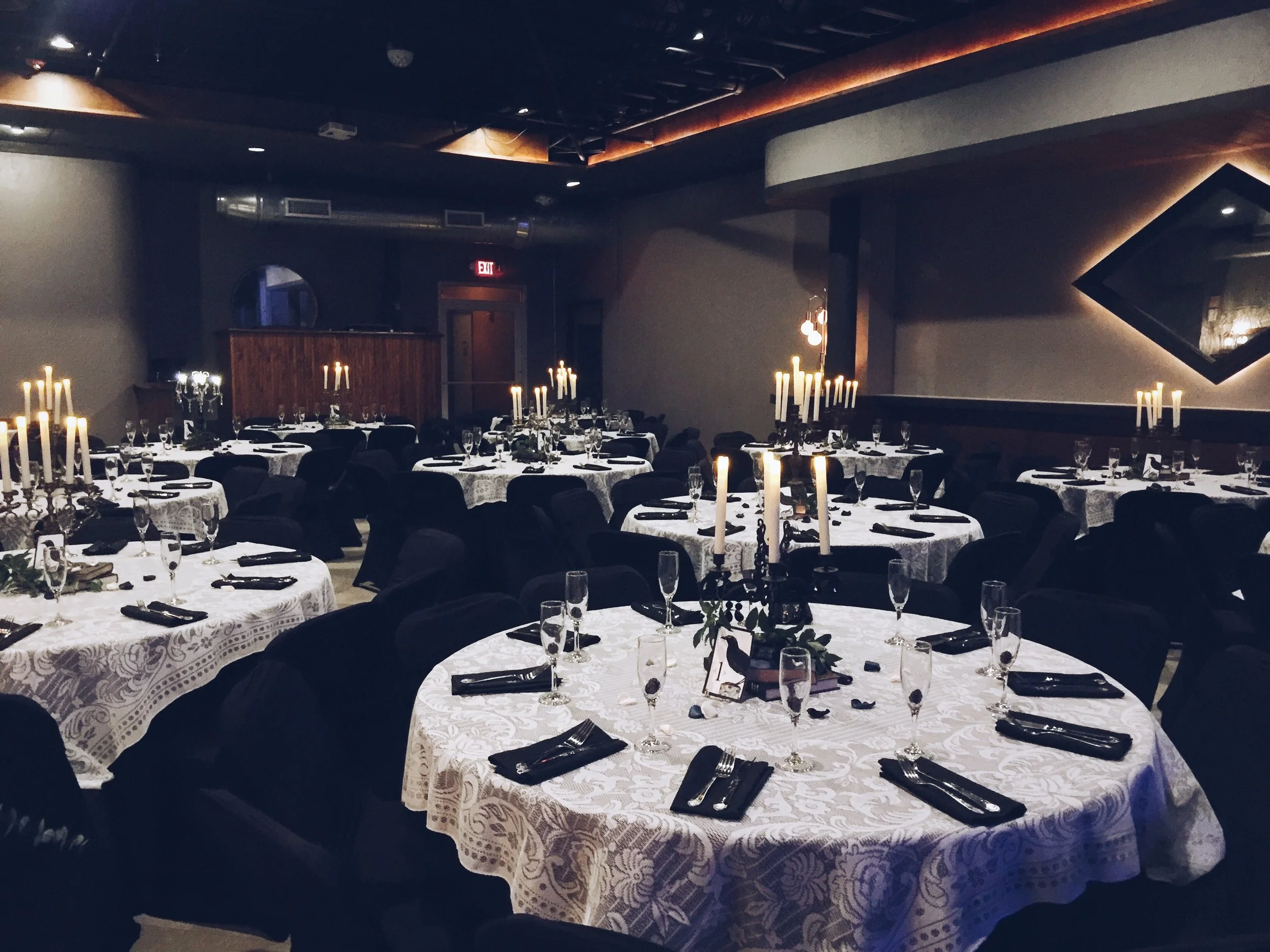
Inside the Room
A look at the stage, the floor, and the nights that move through them.

Create a Downtown Gainesville Walking Tour Through The Wooly
Downtown Gainesville is compact enough to explore on foot, yet it contains enough music history, public art, food and local colour for a memorable walking tour. Its central streets sit close to the University of Florida, Shands Hospital and the historic railway district, allowing a route to move between major landmarks without complicated transport. This guide explains how to create a walking tour of downtown Gainesville that stops at The Wooly while remaining practical for Australian visitors.
The Wooly should be more than a brief photo stop. Its flexible event space, professional audio-visual support, in-house catering and full-service bar can form the social centrepiece of the day. Planning around a concert, film screening, exhibition or private gathering gives the walk a clear purpose. Using Australian conventions for distances, café breaks and group hospitality will make the experience familiar without overlooking Gainesville’s own rules, opening hours and visitor expectations.
Start with a compact and practical route
Begin by plotting the route on a map rather than choosing attractions in alphabetical order. A useful starting point is Depot Park and the Gainesville Rail and Depot Museum near SE First Street. From there, visitors can walk through the historic railway area, follow SE First Street’s music and entertainment corridor, turn north toward Main Street and reach The Wooly at 20 N Main Street. A loop of roughly two to two and a half kilometres is long enough to feel like a tour but short enough to finish comfortably in an afternoon.
Check the The Wooly venue overview for current event information and venue details before circulating the itinerary. Its proximity to the University of Florida and Shands Hospital makes it convenient for visitors staying near campus or arranging the tour as part of a conference programme. If the group includes people with limited mobility, check footpaths, crossing points and accessible entrances on the map rather than assuming every block is equally accessible.
Australian city walks in Melbourne, Sydney and Adelaide generally express distances in kilometres and connect heritage landmarks with cafés, shops or cultural venues. Following that convention is useful here: label the route as an approximate two-kilometre walk and include a seated break. Gainesville’s downtown is also more car-oriented than many Australian central business districts, so a well-marked pedestrian route prevents the group from becoming separated at wide roads or parking entrances.
Choose stops that tell a story
A strong route alternates between history, live music, food and contemporary culture. After Depot Park, include a stop around the Cotton Club and the nearby Hippodrome area, where music gives the tour an immediate sense of place. Continue north on Main Street for a short architectural stop at the Bailey House, subject to its opening schedule, before reaching The Wooly. Public art, independent shops and a café can fill smaller gaps without turning the itinerary into a rigid list of ticketed attractions.
Allow each landmark enough time to become more than a passing view. At the railway museum, focus on the development of Gainesville as a transport and university town. At the music venues, use the exterior and any scheduled daytime activity to explain the area’s connection with live performance. At the Bailey House, discuss how surviving buildings sit alongside modern businesses. The Wooly then provides a natural transition from Gainesville’s history to its present-day event scene.
Australian farmers’ and makers’ markets commonly bring together regional produce, bread, flowers and direct-from-the-maker goods, and the same community-minded stop can work in Gainesville if the day’s market is confirmed. Check the schedule rather than assuming every weekend has a market, ask before photographing stallholders, and allow time to talk with vendors. Carrying a small amount of cash is still sensible for smaller businesses, while contactless payment is likely to be useful in cafés and larger venues.
Make the venue an active stop
The Wooly supports concerts, film screenings, art openings, private parties, weddings and corporate meetings, so the tour should use an event that suits the audience rather than treating the building as a conventional museum. A daytime private gathering can sit in the middle of the walking route, followed by another short walk and dinner. An evening performance can become the finale, with the daytime tour ending early enough to allow time for parking, refreshments and venue entry.
For an example of a large, ticketed celebration, read the New Year celebration event page before adapting a similar concept. Pay attention to published door times, age requirements, security arrangements and any activities that might affect the group’s schedule. The aim is not to promise an identical event, but to understand how a high-energy gathering needs more time and coordination than a standard sightseeing stop.
Build the Wooly segment around what will actually happen there. For a concert, identify the performer, expected duration and suitable arrival time. For a private event, confirm whether the catering package includes staff, service timing and alcohol service. A film screening requires seating and technical checks; an exhibition benefits from a host who can introduce the artists. Select one of the venue’s live music, cinema, community or private-party formats and make it the reason the group walks that final block.
Design the walk for Australian groups
Gainesville’s weather may feel familiar in winter but can surprise during summer, when high humidity, intense thunderstorms and-feels-like temperatures reward frequent breaks. Australian travellers accustomed to Celsius should still check forecasts in Fahrenheit and carry water, sunscreen and lightweight rain protection. The route is best walked in the morning or late afternoon during warmer months, with The Wooly used for air-conditioned rest time before an evening event.
Pub culture offers another useful comparison. Australians often meet socially at a local pub for a meal, a game or an early evening drink, while The Wooly operates more as a programmed event venue. Its full-service bar should not be confused with a neighbourhood counter bar. If staff provide table service, explain the US tipping custom and check whether a service charge has already been added. This avoids an awkward cultural assumption that Australian gratuity practices apply unchanged in Florida.
Private-group itineraries can also borrow from celebrations such as weddings or showers. The baby shower planning page illustrates how a downtown venue can combine catering, flexible space and bar service for a mixed-age gathering. For a walking tour, arrange a separate daytime route for those not attending the evening event, then meet at The Wooly for the shared portion. Clear headcounts, meal choices and collection points are especially important when Australian family groups travel together.
Follow laws and local etiquette
Alcohol rules differ substantially between Australia and the United States. Australian liquor licensing is administered by state and territory governments, with responsible-service training and identification checks common across the industry. Florida’s legal drinking age is 21, even where the visitor’s home state permits drinking at 18 or 19. Florida law also generally prohibits open containers of alcoholic beverages in public places. Participants should consume alcohol only in areas authorised by the venue or local authority and leave any open drink behind before rejoining the street route.
Photography should follow a simple consent-based approach common at Australian markets and events. Ask before photographing musicians, private tables, artists at work or stallholders preparing goods, and avoid using flash during an intimate performance. Keep the group out of doorways, photography should follow a simple consent-based approach common at Australian markets and events. Ask before photographing musicians, private tables, artists at work or stallholders preparing goods, and avoid using flash during an intimate performance. Keep the group out of doorways, driveways and building entrances. Street crossings belong to pedestrians, but the group should still cross together at visible intersections rather than following one leader who may disappear into traffic.
Accessibility planning should account for both Australian and US expectations. Australian travellers may be familiar with the Disability Discrimination Act and accessible public-space standards, while the United States uses the Americans with Disabilities Act framework. Rather than assuming the standards are interchangeable, ask The Wooly about step-free access, accessible toilets, reserved seating, hearing assistance and suitable drop-off points. The organiser should also identify a nearby indoor alternative for a stop affected by severe weather.
Rehearse the route and confirm the visit
Walk the complete route before taking a group through it. Time the route at the pace of the slowest participant, add at least ten minutes for crossings, photographs and toilet breaks, and note every entrance that requires a ticket. Keep the Wooly stop within the advertised event window rather than placing it after a dinner reservation that could make arrival late. A well-paced two-kilometre walk should take about 75 minutes without extended talks, allowing two hours when The Wooly is the final destination.
A sample afternoon could begin at Depot Park at 9:00 a.m., continue to the railway and live-music district, pause for coffee around 10:00, and reach The Wooly at 10:45 for a hosted private visit. The group can then continue to Main Street or finish with lunch if the venue has no programmed event. For an evening programme, begin the walk at 2:00 p.m., schedule the Wooly entry according to the published door time and allow a separate dinner stop before arrival. Keep the final map, addresses and contact numbers available offline because mobile reception can vary indoors.
The route’s final administrative step is to email The Wooly with the proposed date, expected headcount and arrival time, then attach the written booking confirmation to the itinerary shared with participants.
Follow the Calendar
News, ticket links, and last-minute additions posted across our channels.
Explore the Venue
Five pages covering the full run of programming and private bookings.
Browse the schedule for movie showings, live music, and art shows.
Weddings, holiday banquets, cocktail parties, and anniversaries.
Meetings, networking, luncheons, and fundraisers with AV support.
Concerts, film screenings, art showcases, and community pop-ups.
Photos from past concerts, private functions, and gatherings.