
Live shows, movie nights, art openings, private parties, and corporate meetings at 20 N Main St — minutes from the University of Florida and Shands Hospital.
Stay in the Loop
Get the next show, screening, and event announcements sent to your inbox.
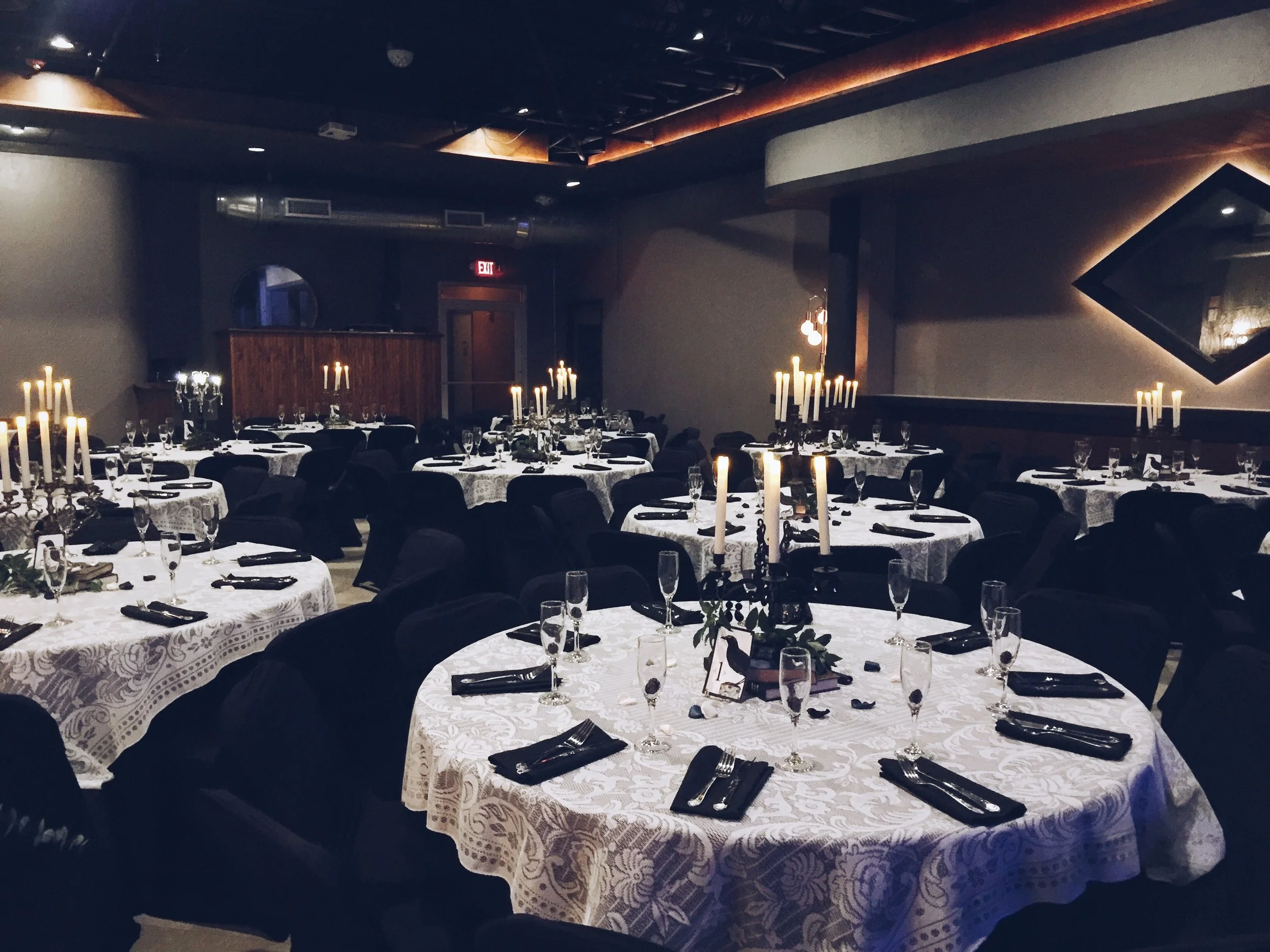
Inside the Room
A look at the stage, the floor, and the nights that move through them.

Inside The Wooly’s VIP and Backstage Experience
At The Wooly, a sold-out concert can feel intimate because every guest has a clearly defined place in the room. Reserved seats, general-admission areas, artist guests, media personnel and private-party attendees may all enter through the same front door, yet each group receives access suited to its role. Careful preparation keeps those distinctions from creating confusion.
Understanding how The Wooly’s staff handles VIP seating and backstage passes reveals a combination of advance planning, visible credentials and calm guest service. The same discipline supports concerts, film screenings, art openings, weddings and corporate meetings across the venue’s flexible floor plan.
For Australian visitors, the experience may resemble a premium event in Sydney, Melbourne or Brisbane, where accredited guests are accustomed to mobile tickets, designated entrances and strict responsible-service procedures. The setting is distinctly Gainesville, however: The Wooly stands at 20 N Main Street, close to the University of Florida and Shands Hospital, and serves a city with a lively student population, strong local music scene and busy event calendar.
Mapping access before the first guest arrives
Before doors open, venue managers translate each event brief into a detailed floor plan and operational schedule. Reserved tables, accessible seating, standing areas, the bar, production positions and artist routes are marked according to the expected attendance. This prevents a valuable seat from being assigned where it lacks a useful sightline or where service traffic is likely to interrupt guests. The venue’s flexible layout allows those decisions to change for different concert, film or private-event configurations.
VIP requests are recorded well before the event, including the guest’s name, party size, access level and any mobility or hospitality requirements. This information appears on the production manager’s run sheet and relevant staff checklists. For a private celebration, clients can raise these requirements through private event enquiries, ensuring that seating, catering and access arrangements are considered together rather than added at the last moment.
Seating, credentials and guest flow
On arrival, ticket scanners and guest-list hosts confirm the correct category of admission. Reserved-seat guests receive directions to their assigned place, while general-admission parties are given a clear release time and entry point. Ushers remain positioned at transitions between sections so staff can resolve issues without allowing a small disagreement to become a queue-wide disruption. Re-entry rules are also communicated consistently, particularly for events combining film screenings with live performances or late bar service.
Credentials generally serve as visible proof of status. A wristband, lanyard or temporary entry stamp may distinguish VIPs, performers, media, production crew and event hosts. Colour coding is useful only when staff understand it, so the run sheet normally includes plain-language descriptions as well as colours. Digital guest lists can provide a backup, but they do not replace the physical credential: an Australian guest accustomed to presenting a phone at a bar or railway barrier may still need a physical marker when moving backstage or approaching a restricted area.
Backstage passes and artist care
Backstage access is issued according to the performer’s requirements and the venue’s security plan. Passes may be time-limited, non-transferable and linked to a named individual. An artist guest, photographer, sound engineer and personal assistant may all have backstage access, but their privileges differ. Promoters, house managers and security staff need to know who belongs in each area and how long that permission remains valid, preventing an informal pass from becoming an open-ended invitation.
The stage-door process is kept separate from the public entrance, with an artist liaison or stage manager verifying credentials before guests proceed. Passengers, cameras and professional equipment can receive different screening rules, and access may pause during soundcheck, performance or a sudden change to the running order. Good backstage handling protects both the guest and the artist by avoiding unnecessary interruptions while still applying a consistent security check.
Artist care receives the same operational attention. The venue’s professional audio-visual support helps the touring team establish a reliable show, while catering and bar services can be scheduled around rehearsals. The approach resembles the professional standards associated with Atlanta concert hospitality, where technical teams, guests and security need separate routes but coordinated timing. Clear radio communication, protected load-in windows and an uncluttered path to the stage reduce stress for everyone involved.
Bar service, safety and responsible hosting
The full-service bar benefits from the same credential system used elsewhere in the building. Staff can identify event hosts, performers and designated drivers, while age and intoxication checks remain part of ordinary service rather than an afterthought. Water, non-alcoholic options and food are available through the catering program, and bar staff have clear authority to pause service when safety or capacity requires it. For a birthday reception, this may mean managing a personalised toast; for a corporate gathering, it may involve staggered drink packages and timed service.
Australian guests will recognise the emphasis on responsible service, although licensing laws differ between Florida and Australian jurisdictions. In New South Wales, Victoria and Queensland, accredited hospitality staff follow state-specific rules concerning age checks, service limits and refusing service. The Wooly applies the requirements of its Florida operating environment, while maintaining practices that feel familiar to international visitors: visible identification checks, no pressure to keep drinking and staff who can intervene discreetly.
Crowd planning also accounts for the surrounding neighbourhood. Guests leaving a late show may use rideshare services, taxis or local transport, while drivers need clear pickup locations that do not obstruct Main Street. Similar practical habits are common around major Australian cultural precincts, where surge pricing, booked taxis and crowded public transport influence departure plans. Venue teams can reduce friction by sharing final service times, transport information and exit arrangements before closing the bar.
Private, corporate and celebratory hospitality
VIP treatment means something different across The Wooly’s range of events. A corporate meeting may need a quiet dining zone, presentation screens and uninterrupted catering, while a wedding might prioritise reserved tables, a dedicated dance floor and a staged photo moment. Art openings may require easier circulation and clearer sightlines to displays. The flexible floor plan, in-house catering, professional audio-visual support and full-service bar allow each brief to produce a distinct layout without creating separate operating systems for the staff.
Guests are generally told what their access includes. A backstage pass might cover a scheduled welcome, access to the green room or a viewing area, but it does not automatically grant permission to enter the performer’s private space. Likewise, a corporate host may receive a reserved table without receiving artist credentials. These boundaries are explained through the event contact, production manager or venue representative, reducing the chance that a guest arrives with an assumption the organiser never agreed to.
The Australian events market offers a useful comparison because corporate hospitality, weddings and live entertainment often sit within one booking system, yet each has precise service expectations. An organiser used to quoting a Melbourne reception package will appreciate a venue that separates food and beverage, technical production, staffing and access controls clearly. Transparent scope also helps the venue protect its own standards: staff know when a request is confirmed, when it is still under consideration and when a schedule change requires renewed approval.
Details that make privileged access feel effortless
The strongest VIP service is rarely the most conspicuous. Guests remember a seat with a clear view, a host who knows where to direct them, and a backstage pass that works on the first attempt. They also remember being able to find the bar, return to the floor or contact the right organiser without navigating a maze of staff instructions. Consistency across departments matters because a polished entrance can be undone by an overlooked seating detail at the far side of the room.
Training keeps the system understandable for temporary employees as well as regular venue teams. Bar staff, ushers, security, production personnel and the box office need a shared vocabulary and a clear escalation path. A last-minute seating change might go through the production manager; a lost credential might be handled at guest services; and a concern involving an artist should reach the stage manager. This division prevents well-intentioned staff from making unauthorised promises.
Broader venue-design principles also matter. Insights on social gathering design illustrate how comfortable circulation, appealing lighting and distinct zones can shape a gathering. The Wooly applies that logic to live events: special access feels valuable when it connects guests to the performance while preserving the comfort, safety and flow of the entire room.
The lasting takeaway is that privileged access succeeds through precision rather than extravagance. At The Wooly, VIP seating, guest lists and backstage passes work best when each credential is clear, each route is well communicated and every staff member understands the event’s priorities. The result is hospitality that feels generous and natural, with the performer, production team and guests all able to focus on the experience rather than the mechanics of entry.
Follow the Calendar
News, ticket links, and last-minute additions posted across our channels.
Explore the Venue
Five pages covering the full run of programming and private bookings.
Browse the schedule for movie showings, live music, and art shows.
Weddings, holiday banquets, cocktail parties, and anniversaries.
Meetings, networking, luncheons, and fundraisers with AV support.
Concerts, film screenings, art showcases, and community pop-ups.
Photos from past concerts, private functions, and gatherings.