Live shows, movie nights, art openings, private parties, and corporate meetings at 20 N Main St — minutes from the University of Florida and Shands Hospital.
Stay in the Loop
Get the next show, screening, and event announcements sent to your inbox.
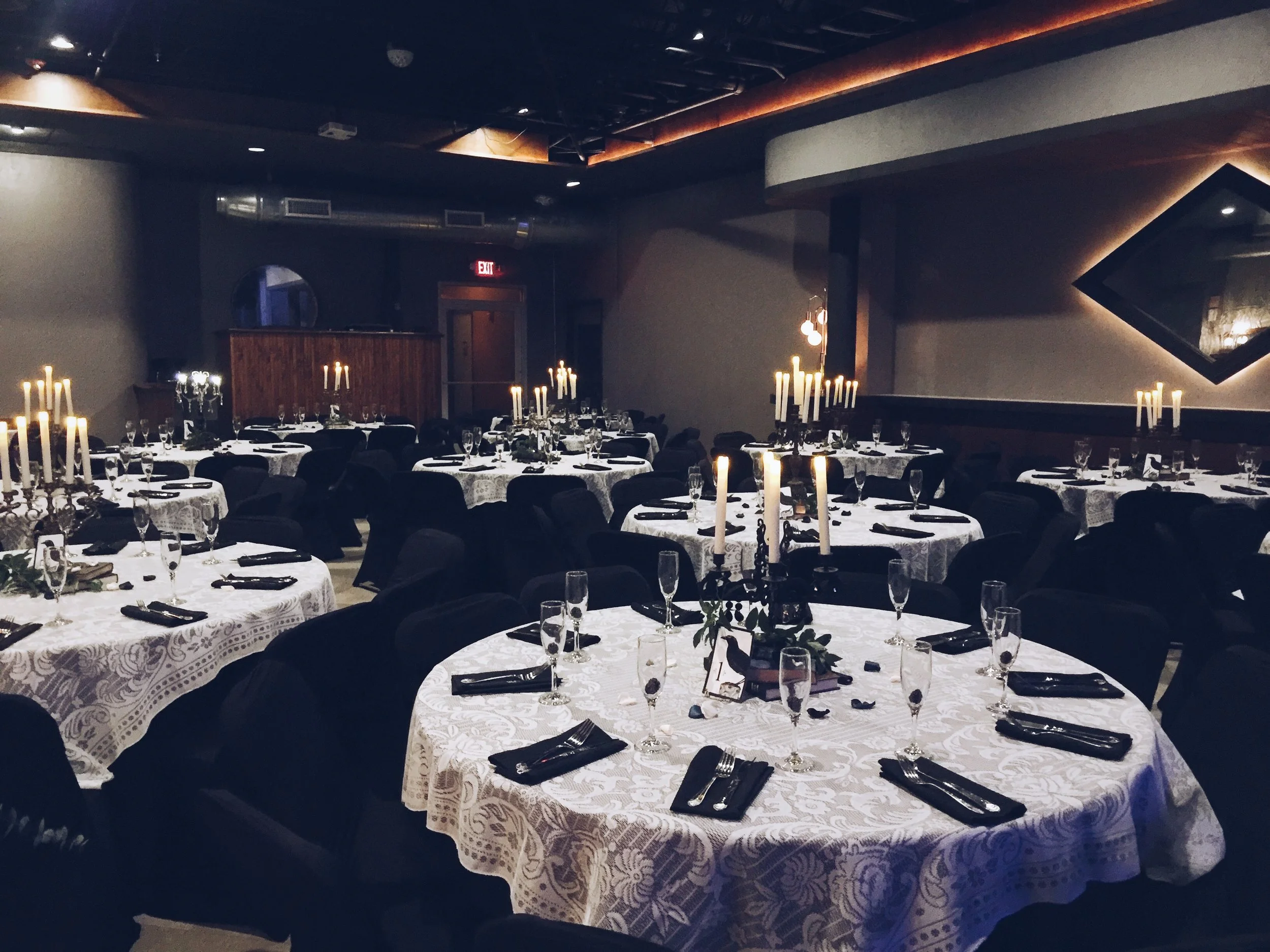
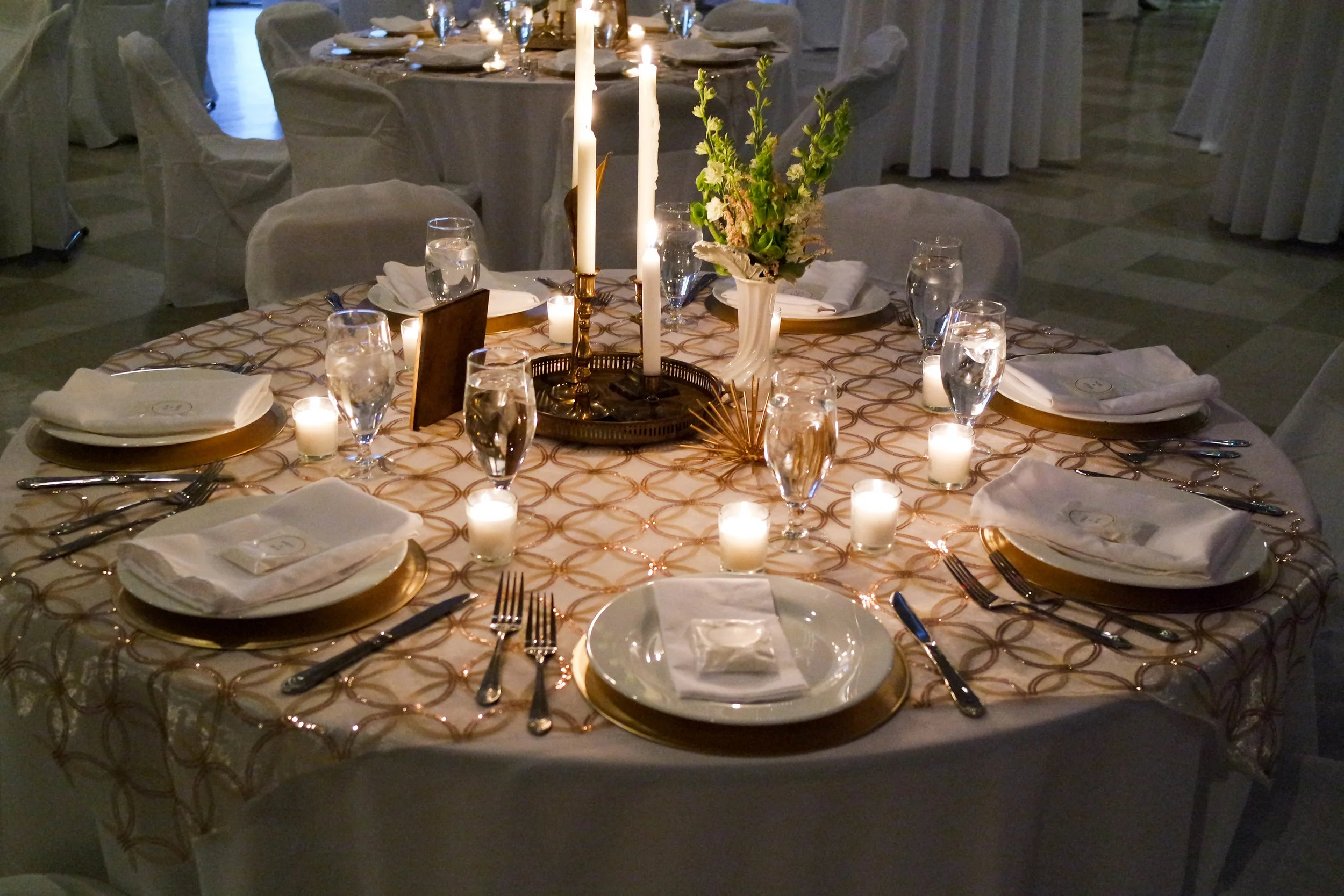
Inside the Room
A look at the stage, the floor, and the nights that move through them.

How The Wooly Manages Event Breakdown and Cleanup
The Wooly sits at 20 N Main Street, a few blocks from Shands Hospital and the University of Florida campus, and its calendar shifts between film screenings, corporate meetings, weddings, and touring bands almost every week. With that kind of turnover, the teardown and reset phase is not a footnote in the operation. It is a discipline that decides whether the next client walks into a clean slate or a logistical hangover. The crew treats the hours after the last guest leaves as their own production run, scripted and accountable like load-in.
Australian planners reading this will recognise the priorities, even if the venue is on the other side of the Pacific. From a Surry Hills end-of-year bash to a Tassie winery wedding, the post-event phase tends to absorb the same costs, surprises, and recovery work. Below is a walk-through of how a flexible American event space handles it, and what anyone booking a venue in Brisbane, Sydney, or Perth can borrow from the playbook.
Pre-event planning that shapes the teardown
Cleanup actually begins during the sales process. When a client books a wedding, a corporate gala, or a birthday, the operations lead drafts a run sheet with a reverse-order timeline. Load-out is scripted backwards from the venue's midnight lock-up, so each crew member knows what their last task is and what they should be packing down fifteen minutes earlier. This reverse-chronology approach is borrowed from touring production crews, the same crews who work the Tivoli in Brisbane or the Hordern in Sydney.
The venue also photographs the room on the morning of the event. These snapshots become the reference for what the space should look like at the end of the night. If a client added a photo wall, a sponsor banner, or extra cocktail furniture, those additions are itemised in the teardown list. For weddings, tight vendor coordination shapes how the team handles next-morning brunches, gift collection windows, and décor buy-backs, since each handoff has a different teardown implication.
Crew structure and shift handovers
The Wooly runs three overlapping shifts during an event day: a morning prep crew, an afternoon front-of-house team, and a closing strike crew that arrives at 9 pm for events ending at 10 or 11 pm. Each shift leaves a written handover note on the back-of-house whiteboard, and the closing crew signs off on any open issues before they touch anything, from delayed vendor pickups to sponsor signage awaiting return.
The strike captain carries a printed load-out map with arrows showing the path of furniture from the floor to the loading dock, plus a radio tuned to the front-of-house channel. This means a last-minute request, such as a guest who needs assistance after the event or a coat left behind, can be handled without breaking the cleanup rhythm. Handover discipline is what stops small jobs from turning into billable damage: in a Brisbane corporate setting, an AV cable coiled and stored wet overnight is a cable that fails by Friday.
Comparing teardown by event type
The breakdown window changes depending on what the room was used for. Here is how crew size, key risk, and reset time shift across the four event types The Wooly hosts most often.
| Event type | Crew size | Key risk | Reset window |
|---|---|---|---|
| Wedding reception | 6 to 8 | Glassware, gift table logistics | 3 hours |
| Corporate meeting | 4 to 5 | AV gear, branded signage | 2 hours |
| Live concert | 8 to 10 | Backline, cable runs, drum kits | 4 hours |
| Film screening | 3 to 4 | Projection, seating reset | 1.5 hours |
Reset window is the time from the last guest leaving to the venue being ready for the next booking. Crew size is the minimum strike team on the floor. Key risk is the item or activity most likely to cause damage or delay if not managed during teardown.
Floor load-out from bar to stage
The sequence of the load-out matters as much as the speed. Furniture and loose décor come off the floor before the bar is broken down, because once glassware is being moved, anyone carrying a chair through the room is a collision risk. The crew clears the dance floor first, then the cocktail tables, then the lounge groupings, working from the back of the room toward the stage. Only when the floor is bare does the bar team start pulling taps and draining lines.
The bar team has its own reverse sequence: bottles, then glassware, then linens, then bar top equipment. Doing it in any other order risks a bottle breaking into a tub of glassware, or a wet linen contaminating a case of clean glasses. Stage gear is the last thing out, handled by a separate staging crew that does not start until the floor crew has cleared the room. Cable runs are pulled in reverse order of how they were laid, and each cable is matched to its numbered hook.
Catering, glassware, and waste stream separation
In-house catering changes the cleanup equation considerably. The Wooly's kitchen team runs the dish pit through the entire event, washing and racking glassware and plateware in real time rather than leaving it to soak overnight. By the time the bar is being broken down, the dish pit is mostly idle, ready to be drained, sanitised, and shut down for the night. Leftover food is portioned into labelled containers for staff meal the next day.
Waste is separated into four streams as it is generated: landfill, comingled recycling, glass, and food organics. Bins are stationed at each station, and the catering lead does a quick visual audit before the bin liners are tied off. This mirrors what you would see at a forward-thinking Melbourne conference centre, where single-stream recycling is increasingly rejected by material recovery facilities that actually open the bags on the sorting line. The Wooly's approach to managing open bars is built around the same principle: contain the risk at the source, not in the cleanup crew's wheelie bin at 1 am.
AV gear, signage, and high-value items
High-value items get a different workflow. The AV kit, the wireless mic set, the projector, and any rented lighting fixtures are inventoried by serial number at load-out. Each item is checked against the morning's photo log to confirm it leaves the room in the same configuration it arrived in. Touring acts regularly arrive with cases that have been miscounted by a previous venue, and a clean inventory at the Wooly protects the next stop on the tour.
Sponsor signage, custom decals, and client-branded backdrops are folded and bagged by name. A wedding couple who paid for a custom monogram backdrop does not want it returned creased, and a corporate client does not want to find their banner in a generic storage pile. Anything not collected within seven days is photographed, emailed to the client, and either donated or recycled. Clients sometimes ask whether a family member can collect items the next morning, and the venue accommodates this with a short 9 am to 11 am window.
Post-event inspection, documentation, and sustainable disposal
The venue's closing manager walks the room with a checklist before the alarm is set. The list covers floors, walls, soft furnishings, the bar, the stage, the dressing rooms, and the restrooms. Any new damage is photographed, logged in the booking file, and compared against the morning's pre-event photos. This is the only way to charge a damage fee fairly, and it is the only way to defend against an unfair one.
Documentation feeds back into the pre-event plan. If a particular configuration resulted in a scuff on the floor every time, the venue adjusts the floor plan or adds a protective layer. If a particular bar setup resulted in broken glass every event, the bar layout is redesigned. Clients are sent a short report within 48 hours covering any damage, items left behind, vendor pickups that did not happen, and any feedback the crew received from guests.
The Wooly also works with a local food rescue organisation for events where the catering volume is large enough to make collection worthwhile. Unserved buffet food is packed into donated containers and picked up by a volunteer driver within an hour of the event closing, more efficient than composting and more dignified than binning. Glass is collected separately and paid out through the state's container deposit scheme equivalent, with proceeds going to the venue's community fund. Cardboard is baled on site, and soft plastics are dropped at a nearby grocery store collection point, the same kind of scheme that has rolled out across Coles and Woolworths locations in suburban Australia.
Practices worth borrowing from the playbook
A few practices travel well across markets and venue types.
- Build the load-out sequence backwards from the lock-up time, not forwards from the end of the event.
- Photograph the room on the morning of the event and use the photos as the reset reference.
- Run separate crews for floor, bar, and stage so high-value work is not interrupted.
- Separate waste at the source, with a glassware runner for events over 150 guests.
- Inventory AV gear by serial number at load-out and at every shift handover.
- Document any damage in the booking file and share the report with the client within 48 hours.
- Build a community fund out of recycling revenue so the cleanup operation pays for itself over time.
The Wooly's approach to event breakdown is less about heroics in the loading dock and more about a thousand small decisions made before, during, and after the event. Australian planners working across Sydney, Melbourne, and the regional centres will recognise most of the moving parts: the bar break-down sequence, the cable discipline, the waste streams, the handover notes. The upcoming events calendar shows how often the room turns around in a typical week.
A clean, on-time reset is what lets a space like The Wooly run a wedding on Saturday night and a film premiere on Sunday afternoon without either client seeing the seams. Guests remember whether the bar stayed open, whether the band sounded good, and whether the room looked the way it was meant to. Almost nobody remembers the cleanup, which is exactly how the operations team wants it. The teardown is not an afterthought, it is the last impression the venue makes on every booking.
Follow the Calendar
News, ticket links, and last-minute additions posted across our channels.
Explore the Venue
Five pages covering the full run of programming and private bookings.
Browse the schedule for movie showings, live music, and art shows.
Weddings, holiday banquets, cocktail parties, and anniversaries.
Meetings, networking, luncheons, and fundraisers with AV support.
Concerts, film screenings, art showcases, and community pop-ups.
Photos from past concerts, private functions, and gatherings.