
Live shows, movie nights, art openings, private parties, and corporate meetings at 20 N Main St — minutes from the University of Florida and Shands Hospital.
Stay in the Loop
Get the next show, screening, and event announcements sent to your inbox.
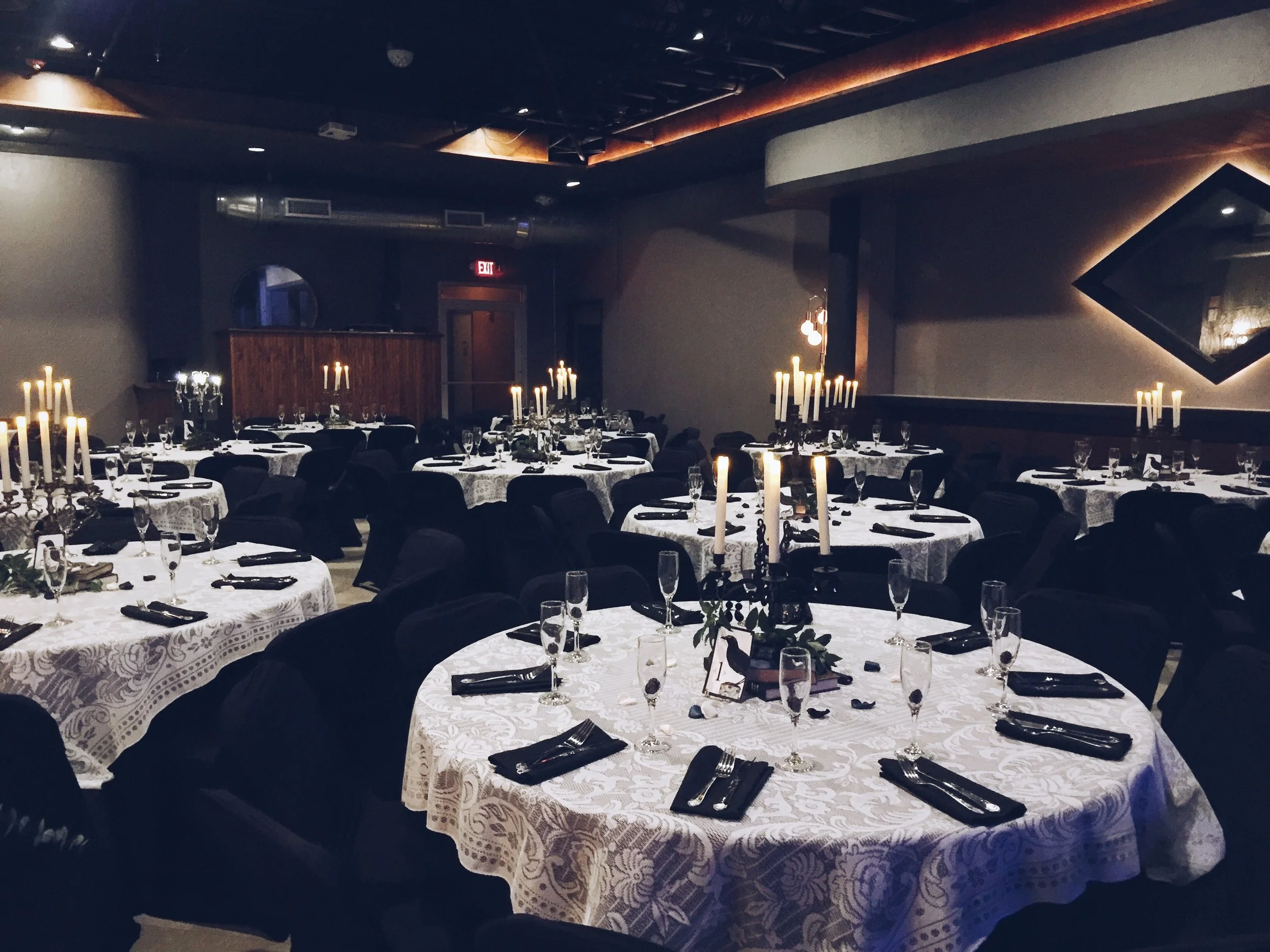
Inside the Room
A look at the stage, the floor, and the nights that move through them.

How The Wooly Manages Vendor Deliveries on Main Street
Deliveries can shape the success of an event before the first guest arrives. At The Wooly, a downtown Gainesville venue at 20 N Main Street, suppliers may be bringing catering items, bar stock, stage equipment, decorations, furniture, film gear or exhibition materials into a busy urban setting. Good coordination keeps those arrivals orderly while protecting the venue’s flexible layout and the surrounding Main Street activity.
The Wooly hosts concerts, film screenings, art openings, weddings, private functions and corporate meetings, so every event has a different freight profile. A touring band may need cases of instruments and production equipment, while a wedding supplier may arrive with florals, linen, furniture and a cake. A business meeting could involve presentation screens, branded materials and a smaller number of time-sensitive boxes.
For Australian event planners, the basic principles will feel familiar. A delivery needs a confirmed time, a named contact, clear access instructions and a plan for removing packaging. The details differ from managing a loading zone in Sydney, Melbourne or Brisbane, but the practical goal is the same: keep vehicles moving, keep pedestrians safe and get every item to the correct place without disrupting the event.
Delivery Planning Starts Before the Truck Arrives
The most reliable delivery process begins when the event is booked, rather than when the driver calls from outside. The organiser, venue team and suppliers should identify what is arriving, how much space it needs and whether it requires a trolley, liftgate, refrigeration or specialist handling. A delivery schedule can then separate large freight from smaller courier parcels and installation teams.
A useful event brief includes the event date, venue address, delivery window, supplier name, driver contact number, number of cartons or cases and the person authorised to accept the goods. It should also state whether items are being stored temporarily, installed immediately or collected after the event. This prevents a courier from leaving boxes in an unsuitable area or a supplier from assuming that the venue can store goods overnight.
The The Wooly venue provides a flexible event environment, but flexibility works best when the floor plan is agreed in advance. A layout for a seated meeting may leave room for staging and equipment cases, while a concert setup may require clear pathways around the performance area. Delivery instructions should reflect the actual event configuration rather than relying on a standard template.
Main Street Access and Arrival Windows
Downtown deliveries need precise timing. Vendors should receive a defined arrival window instead of a vague instruction to come “during the morning”. A short, agreed slot helps the venue team prepare a receiving point and reduces the chance of a truck waiting in traffic or blocking a kerb. If several suppliers are using the same route, the schedule should place the largest or most complex delivery first.
Drivers should call the designated venue contact when they are approaching, not after stopping in an unsafe location. The contact can confirm where to pull up, whether the entrance is clear and whether staff are ready to receive the load. If a vehicle is early, the driver may need to remain nearby until the scheduled window rather than unloading immediately.
This is especially relevant to Australian suppliers accustomed to marked loading zones in central Sydney or Melbourne, where stopping restrictions can be closely enforced and kerb access may change by time of day. Australian planners should also remember that Gainesville’s downtown access rules and signage are different from those in Australian cities. Delivery teams need venue-specific directions, current street information and enough time for a driver unfamiliar with the area to navigate calmly.
Protecting Guests, Neighbours and The Building
A delivery is part of the event’s public footprint. Trolleys, cases and cartons should not be left across pedestrian paths, fire exits or accessible routes. Large items need to move through the building in a controlled sequence, with one person guiding the load and another watching for guests, staff and doorways. Weighty or awkward items should be handled with appropriate equipment rather than improvised lifting.
The venue team can protect floors, walls and door frames by identifying the safest route before unloading begins. Suppliers should disclose unusual loads such as long truss sections, heavy cases, fragile glassware or bulky furniture. Packaging materials should be kept together while the delivery is checked, rather than scattered around a public or hospitality area.
Noise and congestion matter too. A supplier unloading metal cases during a screening, speech or acoustic performance can interrupt the programme and disturb nearby businesses. Time-sensitive deliveries should therefore be completed before guests arrive whenever possible. If a late delivery is unavoidable, the venue contact can decide whether it should wait until a suitable break.
Receiving Audio-Visual and Event Equipment
Audio-visual deliveries require more than a simple carton count. The receiving person should compare the equipment list with the actual cases, record visible damage and confirm which items belong to the venue, the production company or the client. Photographs of cases and labels can make collection easier, particularly when several bands, exhibitors or contractors are working on the same day.
The Wooly’s professional audio-visual support is relevant to this process because production equipment often arrives in a mix of venue-owned and hired components. A supplier briefing should identify patching, power, rigging, projection and control requirements before equipment reaches the building. This reduces last-minute unloading and makes it easier to decide where cases can remain during the event.
Touring performers may bring equipment in road cases, while a film night may involve projectors, screens, media players and backup drives. Corporate suppliers may deliver a smaller quantity of presentation technology but still need a secure, dry place for it. The delivery plan should distinguish equipment that needs immediate testing from items that can remain packed until the room is set.
Catering, Bar Stock and Perishables
Food and beverage deliveries need a tighter handover because time and temperature affect quality and safety. The supplier should provide an estimated arrival time, identify chilled or frozen items and confirm whether the venue’s catering team is receiving the order. A driver should not leave perishable products unattended while looking for a contact person.
Bar stock also needs a clear destination. Cases of drinks, glassware, ice and service supplies should be counted as they arrive and moved away from guest circulation. The venue’s full-service bar and in-house catering capacity can simplify event logistics, but external caterers still need to understand what the venue is supplying and what they are responsible for bringing.
Australian planners will recognise the importance of food safety obligations and responsible alcohol service. In Australia, food businesses operate under national food safety standards, while alcohol service is controlled through state and territory licensing systems and RSA requirements. Those rules do not automatically apply to a Gainesville event, but they are a useful reminder that the receiving process must preserve temperature control, traceability and responsible service arrangements rather than treating food and alcohol as ordinary freight.
Waste, Reuse and End-of-Night Clearance
A professional delivery plan covers the trip out as carefully as the trip in. Suppliers should know whether they must take pallets, crates, cable covers, floral foam, cartons and display materials away after setup. If the venue is expected to dispose of anything, that responsibility should be agreed before the event, including what can be recycled and where residual waste will go.
A leave-no-trace approach is particularly useful for weddings, markets, art openings and community gatherings, where decorations and packaging can accumulate quickly. Practical leave-no-trace practices include consolidating cardboard, separating reusable materials and preventing loose waste from reaching public areas. The aim is a clean handover, not simply moving rubbish into a corner for someone else to discover.
Collection windows should be written into vendor agreements. A rental company may need to retrieve furniture after guests leave, while a band may load out immediately after a performance. The venue contact should confirm when the space is clear, which route is available and whether late-night noise or vehicle access needs special consideration.
The same principle applies to art and community programming. Suppliers working around the music and art calendar may be sharing the venue with other creative teams, so leftover signage, display hardware and packing materials must be labelled and removed promptly. A clean turnover protects the next booking and helps preserve the venue’s adaptable character.
Communication Between Vendors and Venue Staff
One person should have responsibility for delivery coordination on the event day. That person does not need to unload every item, but they should know the schedule, hold the supplier list and make decisions when a vehicle is early, late or carrying something unexpected. Giving drivers several competing phone numbers often creates confusion, especially when the venue is busy.
A pre-event email can include the venue address, arrival window, contact name, unloading instructions, parking limitations, storage expectations, emergency procedure and collection time. It should also explain what happens if the driver misses the slot. A supplier who understands the fallback plan is less likely to leave goods unattended or attempt an unsafe stop.
For Australian clients working across time zones, communication should be confirmed in writing and checked against local Gainesville time. Public holidays, weekend events and university activity can alter traffic patterns and staffing. A short confirmation 24 to 48 hours before delivery can catch changes to vehicle size, freight quantity or the event schedule before they become a problem.
Delivery Details Worth Confirming
A simple vendor checklist makes the process easier for the venue, suppliers and event organiser:
- Confirm the exact delivery date, local arrival window and collection time.
- Provide one venue contact and one backup contact for the driver.
- List cartons, cases, furniture, perishables and specialist equipment.
- State where items will be unloaded, stored, installed or collected.
- Ask suppliers to report damage, shortages or temperature concerns at handover.
- Require packaging, pallets and unwanted materials to be removed or sorted as agreed.
- Share changes to the event schedule, access route or floor plan as soon as they are known.
The checklist should be attached to every supplier booking, not circulated only to the production team. Caterers, florists, AV technicians, entertainers, rental companies and couriers may all arrive at different times, so each needs the information that applies to their part of the delivery. Clear records also help reconcile invoices, deposits and damage claims after the event.
For larger productions, the organiser can add a delivery map showing the preferred entrance, temporary holding area and route to the event room. It should identify any areas that must remain clear for guests, emergency access or venue operations. The map does not replace instructions from the venue team, but it gives each supplier a shared starting point.
A well-managed delivery at The Wooly is a coordinated handover: the right supplier arrives at the right time, the correct person receives the goods, equipment reaches its intended location and waste leaves with the responsible vendor. For any Main Street event, the practical takeaway is to confirm access, contact, contents, storage and collection in writing before the vehicle sets out.
Follow the Calendar
News, ticket links, and last-minute additions posted across our channels.
Explore the Venue
Five pages covering the full run of programming and private bookings.
Browse the schedule for movie showings, live music, and art shows.
Weddings, holiday banquets, cocktail parties, and anniversaries.
Meetings, networking, luncheons, and fundraisers with AV support.
Concerts, film screenings, art showcases, and community pop-ups.
Photos from past concerts, private functions, and gatherings.