Live shows, movie nights, art openings, private parties, and corporate meetings at 20 N Main St — minutes from the University of Florida and Shands Hospital.
Stay in the Loop
Get the next show, screening, and event announcements sent to your inbox.
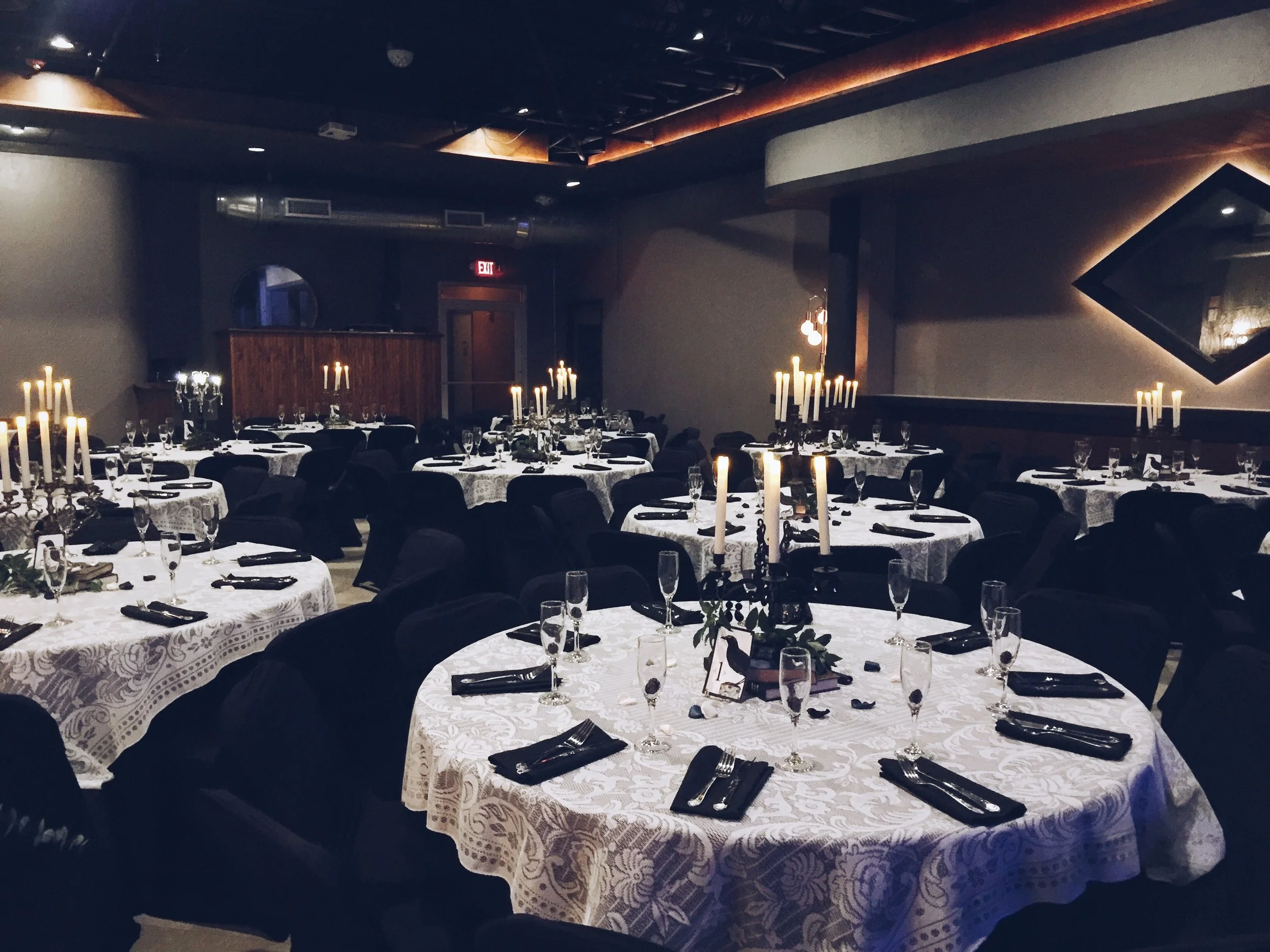
Inside the Room
A look at the stage, the floor, and the nights that move through them.
Hosting a panel discussion at The Wooly
A panel discussion at The Wooly can take the shape of a live conversation, a compact forum or a gathering that feels at home alongside concerts, film screenings and private celebrations. Gainesville’s venue offers a flexible floor plan, professional audio-visual support and enough character to make an evening feel more like a cultural event than a hotel meeting room. That combination rewards a clear format, careful timing and a deliberate choice of speakers. Learn more about Dining Near The Wooly Before An Event.
The location at 20 N Main Street places the event within downtown Gainesville, close to the University of Florida and Shands Hospital. It is a useful anchor for academics, healthcare professionals, artists, students and local business leaders, while the in-house catering and full-service bar allow the entire guest experience to be handled in one place. Planning starts with the programme, but the room and service details determine how well that programme works.
Organisers working from Australia need to account for a different operating environment. Panelists may join from Melbourne, Sydney or Brisbane, while the event itself takes place in Florida’s Eastern Time zone. Currency, alcohol service and expectations about audience participation also differ. A successful plan preserves the energy of an Australian cultural event without importing assumptions about ticketing, time zones or service customs that do not fit the venue.
Choosing the format and audience
Start by defining what the audience should leave with. A panel built around one practical question can hold attention better than a broad survey of a subject, and it gives every speaker a distinct role. For example, “How should a city fund cultural participation?” might move from evidence to community responses to a final set of priorities. The title should signal a conversation with a point of view, not a sequence of unrelated presentations.
Format options to compare
- Seated conversation: Four or five speakers around a low table create an intimate, conversational atmosphere suited to detailed exchanges.
- Stage conversation: A moderator introduces each participant, manages contributions and connects short answers into a coherent argument.
- Mixed format: A facilitated opening followed by audience questions gives the event momentum without sacrificing depth.
- Brief forum: Several speakers make focused contributions before the moderator steers the group towards a shared conclusion.
Before selecting the format, check how much discussion time remains after welcomes, introductions and audience questions. Many Australian professional settings are informal, but a panel still benefits from a concise chair, clear hand-offs and explained acronyms. Confirm whether the event will be recorded, whether questions will be taken from the floor or submitted in advance, and how much time is reserved for the closing exchange. These choices should appear in the brief given to the venue.
Details to confirm with the venue
- Expected attendance, panelist count and the total length of the public programme.
- Seating preferences, accessibility requirements and clear sightlines for every seat.
- Audio-visual needs, including microphones, presentation slides and any recorded content.
- Catering requirements, dietary needs, bar arrangements and the number of hospitality staff required.
Treat these decisions as a connected set rather than separate tasks. Attendance affects the room, the room affects the microphone plan, and the format affects catering. Settling them early gives The Wooly’s team useful information and makes later technical and hospitality conversations much more precise.
Building a panel with a clear point of view
A strong panel combines expertise with productive disagreement. Two speakers from the same discipline may validate each other but offer little tension; a moderator can create movement by pairing a researcher with a practitioner, a local organiser with an international perspective, or an older and emerging voice. For Australian partners, Melbourne’s cultural calendar and Brisbane’s emphasis on community-led events can provide useful models for programming that is accessible, discussion-driven and connected to civic life.
Local examples make that approach concrete. A conversation about cultural identity, migration and creative leadership could invite Istanbul Dance to contribute a Turkish community perspective, then connect it with experiences from Turkish-Australian communities in Sydney or Melbourne. The subject matter becomes more meaningful when the panel moves between Gainesville and Australian contexts rather than treating one city as a generic backdrop. A guest from the Turkish cultural scene in Melbourne can also bring a sponsor or audience connection that feels specific.
Give each participant a clear brief rather than a vague invitation to “talk about the topic.” Ask for a position, two pieces of evidence and one question for another speaker. The moderator can prepare a shared factual background, including pronunciation of names and the meaning of specialist terms, so no one has to spend precious airtime explaining the basics. Use the preferred form of address for each speaker rather than assuming that professional distance or informality suits everyone. Collect short biographies and photographs before the event, and agree who introduces the panel, reads the audience instructions and manages time warnings.
Designing the room and technical flow
The flexible floor plan can support several arrangements, but the best layout depends on the format chosen. A seated conversation needs chairs that look equal from the audience, a modest stage or platform if one is being used, clear sightlines and room for a moderator or confidence monitor. A row-based audience with a central aisle may suit a broader forum better than rows without space to move. Share the proposed layout with The Wooly’s team early and ask which furniture, risers and lighting positions are available for the expected attendance.
Audio-visual support deserves a technical rehearsal, not just a room check. Confirm microphone types, how the panel feeds into the room system, playback connections for any short video or slide sequence, and whether audience questions require a handheld microphone. If the discussion is streamed, a separate camera, recording feed and internet pathway may need consideration; these should be planned as part of the production rather than improvised on the night. Set a lighting level that shows expressions without washing out faces, and nominate one person to approve every piece of recorded content.
Arrival arrangements benefit from the venue’s UF and Shands location, which places speakers and guests close to the University of Florida and Shands Hospital. The full address, 20 N Main Street, should appear in every invitation, along with the event start time labelled as Gainesville local time. Ask about parking, accessibility, loading access and the best arrival route for speakers carrying equipment. For Australian guests, include airport-to-downtown transport options that suit their plans rather than assuming familiarity with American street layouts.
Planning food, drinks and guest comfort
Use the in-house catering team early, especially when the panel includes a meal. Share the service time, expected head count, dietary requirements and the timing of drinks before the discussion starts. Food arriving during a speaker’s answer interrupts the room, so the run-of-show should leave a clear interval. If guests plan to eat beforehand, the venue’s guide to dining near the venue offers a useful way to suggest suitable options without committing them to a set menu.
Australian planning instincts need a small adjustment here. A tipping custom that is often modest at home can mean a 15 to 20 per cent tip on table service in the United States, while an Australian dollar budget must be converted into US dollars and checked for movement. Florida sales tax, service charges and gratuity can also appear as separate lines, so ask how catering and bar charges will be shown. More importantly, Australia’s familiar bring-your-own drinking culture does not carry into a licensed US venue: The Wooly’s full-service bar means drinks are ordered and served through the venue, with any drink package or cash arrangement confirmed in advance.
Make hospitality work for different guests rather than relying on a single hospitality style. Ask about ingredients, cross-contact and severe allergies when finalising the menu, and label options clearly. Offer non-alcoholic choices as well as alcohol, provide water throughout the discussion and keep the pace of service deliberate. Name badges, a visible programme and clear restroom directions help newcomers settle in; a quiet arrival area for panel speakers can protect the first minutes of the event.
Running the day and the discussion
Translate the format into a minute-by-minute run-of-show. A typical discussion might allow five minutes for a welcome, twenty-five minutes for the main exchange, ten minutes for audience questions and five minutes for closing remarks. These are planning figures to adjust, not a fixed venue schedule. The chair should know when to move, and the event lead should know which technical cue belongs to each transition. Gainesville is roughly 14 to 16 hours behind Sydney, Melbourne and Brisbane, depending on daylight saving, and the changeovers do not always occur on the same weekend. Remote participants should receive a connection window in both local and Australian Eastern Time.
Invite audience participation without letting it dictate the discussion. Collect written questions at registration, invite the moderator to select a balanced set and ask the room for responses on a clear issue. This works well when some attendees are speaking in a second language and removes the pressure of being the first person to use a microphone. A show of hands can quickly reveal appetite for a particular topic, although it should not replace prepared questions when the event has a fixed finish.
Recording and audience information need explicit permissions. Separate consent to attend, consent to appear on camera and consent to reuse edited footage are different things, and panel members should know which apply. If the guest list is collected by an Australian organisation, a short privacy notice aligned with the Australian Privacy Principles can explain the purpose, contact point and retention period; data handling also needs to meet the venue’s and any broadcaster’s requirements. Obtain sponsor acknowledgements in writing, then brief the moderator on which names to mention and where the acknowledgements fit.
Finalising details for a smooth event
Build a delivery schedule backwards from the event. Speaker information, photographs and presentation files need a clear deadline, followed by an agreement on the final panel title, questions and audience format. Technical checks should include the complete moderator script and any introductory film, while a short rehearsal allows the chair, panelists and audiovisual operator to test hand-offs. Keep one contact sheet with the venue’s day-of coordinator, panel moderator and production lead, and record the agreed start time in Gainesville’s time zone.
Guest communication should reduce uncertainty rather than add promotional noise. A confirmation can provide the date in both Florida and Australian Eastern Time where relevant, the exact address, dress guidance suited to a downtown cultural venue, transport options, catering arrangements and the name of a local contact. For hybrid guests, include a dialling or connection window separately. If the agenda changes, send one updated version to staff and panelists, and make sure the moderator’s version contains the final timings.
The last document to reconcile is the combined production sheet: seating, microphones, slides, room temperature, dietary notes, bar service and the sequence of cues. The next concrete step is a production walk-through with The Wooly’s event team to confirm the panel layout, microphone positions, catering handover and start time, with those agreed details forming the working document for the evening.
Follow the Calendar
News, ticket links, and last-minute additions posted across our channels.
Explore the Venue
Five pages covering the full run of programming and private bookings.
Browse the schedule for movie showings, live music, and art shows.
Weddings, holiday banquets, cocktail parties, and anniversaries.
Meetings, networking, luncheons, and fundraisers with AV support.
Concerts, film screenings, art showcases, and community pop-ups.
Photos from past concerts, private functions, and gatherings.