
Live shows, movie nights, art openings, private parties, and corporate meetings at 20 N Main St — minutes from the University of Florida and Shands Hospital.
Stay in the Loop
Get the next show, screening, and event announcements sent to your inbox.
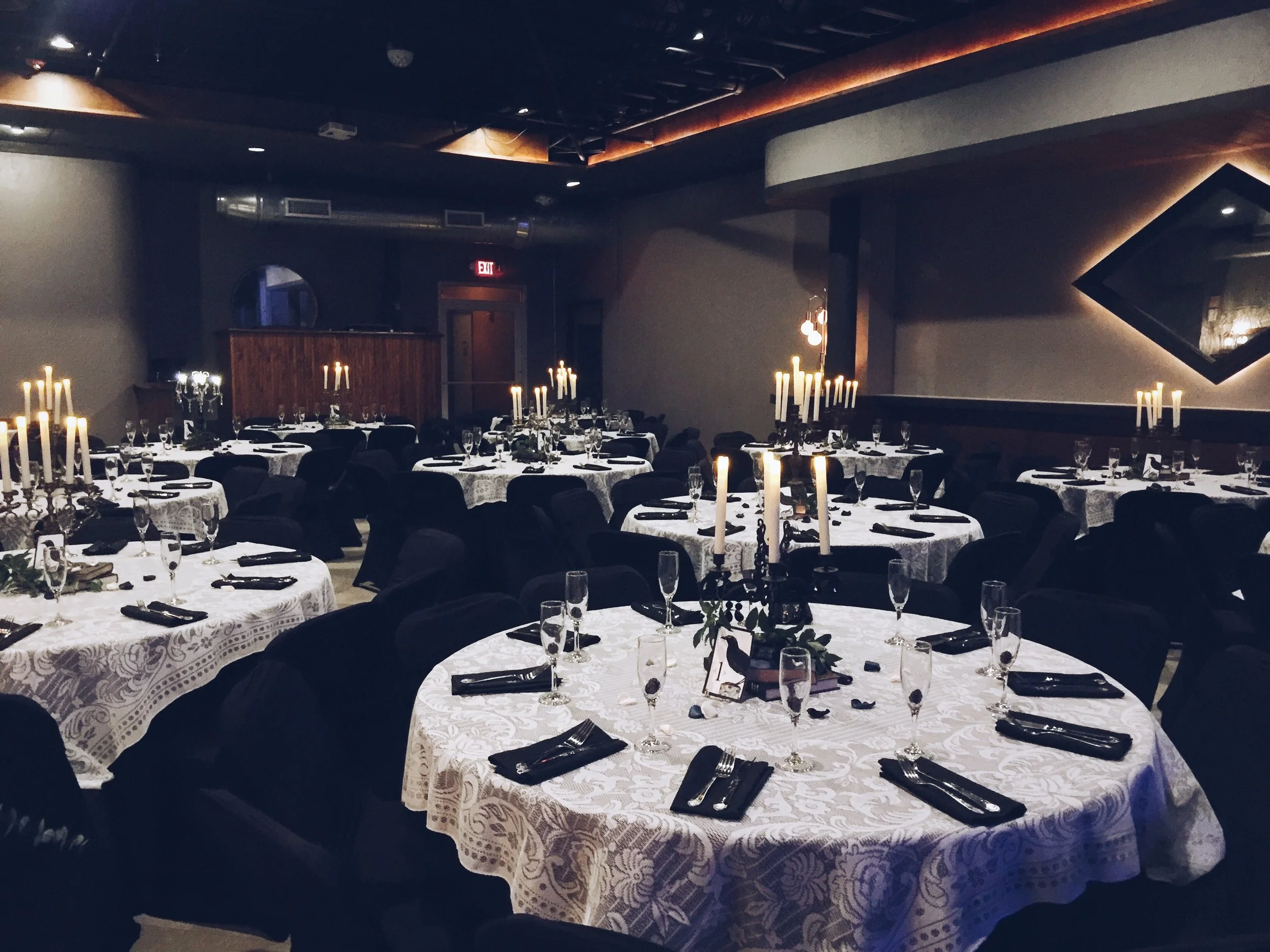
Inside the Room
A look at the stage, the floor, and the nights that move through them.

Host A Charity Film Screening At The Wooly
A charity film screening can turn a night at the cinema into a shared act of support. Guests arrive for a compelling film, stay for conversation and community, and leave knowing that ticket sales, donations, or an auction have helped fund a clear cause. At The Wooly in downtown Gainesville, Florida, that experience can take place in a flexible venue with professional audio-visual support, catering, and a full-service bar. Learn more about Brdigitalawards.com.
For Australian organisers, the concept may feel familiar: a Saturday evening screening with contactless payments, a short welcome from the charity, and a relaxed gathering afterwards. The difference is that the event takes place near the University of Florida and Shands Hospital at 20 N Main Street, making the venue useful for local supporters, students, hospital communities, artists, and visitors. Careful planning connects the film to the cause without allowing logistics to overshadow either one.
Shape The Screening Around The Cause
The strongest charity film events begin with a simple purpose. Decide whether the screening is raising unrestricted funds, supporting a particular programme, increasing awareness, or introducing a charity to new donors. That decision affects the film choice, ticket price, speaker lineup, sponsorship package, and the way results are reported after the event.
A documentary about environmental restoration may suit a conservation fundraiser, while a community-focused drama could support a youth, housing, or health initiative. Licensing must be settled before promotion begins. A film purchased for private home viewing usually does not include permission for a public screening, even when no profit is made. The distributor, rights holder, or screening licence provider should confirm the permitted audience size, territory, format, and promotional rules.
The Wooly’s varied event programme can help an organiser understand how music, art, film, and community gatherings work within the space. Browsing its music and arts calendar can also reveal the venue’s cultural character and suggest ways to pair the screening with a local artist, opening performance, or post-film discussion. A short live set before the film may create atmosphere, provided the schedule leaves enough time for the screening and the charity message.
A credible fundraising target gives the evening focus. For example, the organisers might explain that a certain amount supplies emergency meals, funds counselling hours, or pays for a month of transport assistance. Specific figures help guests understand what their ticket or donation achieves, while honest language avoids promising an impact that cannot be guaranteed.
Build A Welcoming Venue Experience
The room should guide people naturally from arrival to departure. Set up a welcome point near the entrance for ticket scanning, name tags, programme notes, and donation information. Keep the bar and catering area accessible without placing it directly in front of the screen. The flexible floor plan can accommodate seated viewing, a reception area, sponsor displays, and a post-screening gathering.
Audio quality deserves particular attention. Film dialogue can be difficult to follow when the room has competing noise, a lively bar, or uneven speaker coverage. Ask The Wooly’s audio-visual team about the screening format, playback device, aspect ratio, subtitle compatibility, sound checks, lighting controls, and backup equipment. A full technical rehearsal should include the film, trailers, sponsor slides, microphones, house music, and any video messages from the charity.
Catering should fit the timing and tone of the event. A light supper or substantial canapés may work better than a full seated meal if the film begins soon after doors open. A short interval can support refreshments and donations, although some films benefit from uninterrupted viewing. Label food clearly, accommodate allergies, and check whether non-alcoholic drinks are prominent enough for guests who are driving, underage, pregnant, or simply choosing not to drink.
Australian guests tend to appreciate straightforward timing and practical access details. Publish the start time, door time, parking guidance, accessibility information, and whether food is included in the ticket. In cities such as Sydney, Melbourne, Brisbane, and Perth, evening events often need to account for public transport, rideshare demand, and wet-weather travel. The same habits help Gainesville visitors: clear arrival instructions reduce late seating and let the screening begin on time.
Plan The Audience Experience
Promotion should explain three things quickly: what guests will see, why the cause matters, and how their attendance helps. Use a strong image approved for promotional use, a concise film synopsis, the charity’s registration details, ticket inclusions, and a direct booking link. If the movie is a surprise or has restricted publicity rights, promote its genre, themes, director, or guest speaker without revealing protected material.
For an Australian-facing campaign, schedule email and social posts in Australian Eastern time when a large share of the audience is likely to be online. A local Brisbane or Sydney mailing list may respond differently from a Gainesville student audience, so segment the communication rather than sending identical messages to everyone. School holidays, public holidays, major sporting fixtures, and university semester dates can influence attendance more than expected.
-
Offer several ways to participate:
- Standard admission for guests who want the film and event experience
- A supporter ticket that includes an additional donation
- Group packages for workplaces, clubs, or university societies
- A limited number of sponsored tickets for community members
-
Make the fundraising message visible without making it intrusive:
- Show the charity’s purpose on the booking page and event signage
- Display a simple progress figure before the film begins
- Provide QR codes for donations and post-event giving
- Invite one speaker to explain the work in two or three minutes
- Send a transparent results email after the event
The charity’s voice should remain central. Give its representative a prepared run sheet, confirm pronunciation of names, and agree on any sensitive language before the night. A brief story from someone connected to the cause can be powerful, but consent, privacy, and safeguarding must come first. Avoid turning personal hardship into entertainment or using images without documented permission.
A screening can also benefit from a modest creative element. A local illustrator might design the poster, a musician could perform a short welcome set, or a panel could discuss the film’s themes after the credits. The Wooly’s cultural setting makes these additions feel natural, while its professional support helps keep them technically polished. The event should still protect the film’s emotional arc: too many speeches can reduce audience attention and delay the moment when the cause is most meaningful.
Handle Money, Compliance, And Partnerships
Fundraising rules depend on where the organiser, charity, donors, and event are located. Because The Wooly is in Florida, the event must follow applicable United States and Florida requirements, including public performance rights, venue rules, alcohol service, safety obligations, and any charitable solicitation requirements. An Australian organisation should obtain advice from the relevant charity and legal professionals before collecting donations across borders.
In Australia, the Australian Charities and Not-for-profits Commission may be relevant to the beneficiary’s status and reporting, while fundraising permits and rules can vary between states and territories. A charity registered in New South Wales may face different administrative requirements from one operating in Victoria or Queensland. Australian Consumer Law also matters when advertising ticket inclusions, refund terms, prize draws, sponsorship benefits, or claims about how funds will be used.
GST treatment should be checked rather than assumed. A ticket may combine admission, catering, a donation, and a merchandise purchase, each with different tax considerations depending on the organisation and transaction. The checkout should show what the buyer is paying for, whether a donation is tax-deductible, and which entity receives the funds. In Australia, donors often expect a tax-deductible receipt where eligible, but a ticket purchase is not automatically deductible simply because it supports a charity.
Payment habits are another practical detail. Australian audiences are comfortable with tap-and-go cards, mobile wallets, and QR-based giving, so provide those options alongside a staffed donation point. For an event in Gainesville, confirm currency, card acceptance, international transaction fees, and whether Australian donors can receive appropriate records. A printed fallback process is useful if mobile reception or a payment platform fails.
Sponsors can cover film licensing, catering, venue hire, transport, or accessibility costs. Approach businesses whose customers or values align with the cause, and provide a clear benefits sheet rather than a vague request for support. A local café, health practice, law firm, university department, or technology company might contribute cash, products, volunteers, or promotion. Recognition should be proportionate and should not make the event feel like a sales presentation.
Make The Event Work Financially
Prepare a budget that separates guaranteed costs from expenses that rise with attendance. Venue hire, film rights, technical support, insurance, catering, bar staffing, advertising, printing, payment fees, speaker travel, and accessibility services should appear as distinct lines. Include a contingency for equipment replacement, extra staff hours, weather-related transport, and last-minute guest requirements.
The Wooly’s private event facilities may suit a screening that needs a tailored room layout, food service, bar arrangements, and technical coordination. Reviewing the private events page before speaking with the venue can help an organiser identify the right questions about capacity, hire periods, catering options, staffing, furniture, and event access. Ask for a written proposal that distinguishes venue charges from optional enhancements.
A ticket price should be high enough to cover the experience while leaving room for a meaningful contribution. A useful model is to calculate the break-even attendance first, then decide how many tickets must be sold to reach the fundraising target. If a sponsor covers fixed costs, most ticket revenue can support the charity. If the event relies on ticket sales alone, a tiered structure can welcome budget-conscious guests while giving committed supporters a larger contribution option.
| Area | Planning decision | Cost or risk to check |
|---|---|---|
| Film rights | Confirm public performance permission and territory | Licence fee, format restrictions, publicity limits |
| Venue | Agree on capacity, access time, layout, and staffing | Hire fee, overtime, cleaning, security |
| Technical delivery | Test playback, sound, subtitles, and microphones | Technician hours, backup equipment |
| Food and bar | Choose inclusions, service style, and non-alcoholic options | Per-head pricing, dietary needs, permits |
| Fundraising | Define ticket, donation, sponsorship, and receipt treatment | Payment fees, tax handling, reporting |
| Promotion | Approve images, copy, charity claims, and sponsor logos | Design, advertising, licensing, privacy |
Track results beyond gross ticket revenue. Report the number of attendees, total donations, sponsor contributions, direct costs, net funds raised, new supporters, and any in-kind assistance. A short post-event report builds trust and gives sponsors evidence of value. It also helps the next organiser avoid guessing at realistic attendance, catering quantities, or promotional lead times.
Create A Memorable Shared Moment
On the night, the host should welcome people warmly, state the purpose of the event, acknowledge the charity, and explain practical details such as the bar, exits, interval, and donation options. Keep the welcome brief. Guests have come to watch a film, and the most effective fundraising message often feels like a respectful invitation rather than a prolonged appeal.
Accessibility should be planned from the start. Confirm step-free entry, accessible toilets, seating options, caption or subtitle availability, hearing support, sightline needs, and quiet spaces where possible. If the film contains distressing material, communicate that in advance. Give guests a way to opt out of photography and ensure volunteers know how to direct people without drawing unwanted attention.
A short post-screening conversation can deepen the event’s impact. One moderator, one charity representative, and perhaps one subject-matter expert are usually enough. Prepare questions that connect the film to real local work, then allow time for audience questions. The discussion should acknowledge the film’s perspective rather than presenting it as a complete account of a complex issue.
For Australian supporters who cannot attend in Florida, a separate digital donation pathway or recorded charity message can extend the campaign. That option should be described accurately and should not imply that the film itself is available online unless the rights holder has approved it. A simple follow-up email can include the final amount raised, photographs taken with consent, thanks to partners, and information about continuing support.
The lasting value of the evening comes from alignment: an appropriate film, a trustworthy charity, a comfortable venue, careful technical delivery, and a fundraising process guests can understand. At The Wooly, a flexible downtown setting and experienced event infrastructure can help transform a screening from a one-off gathering into a thoughtful community occasion. The key thing to remember is that every production choice should make the cause clearer, the audience more welcome, and the final contribution more meaningful.
Follow the Calendar
News, ticket links, and last-minute additions posted across our channels.
Explore the Venue
Five pages covering the full run of programming and private bookings.
Browse the schedule for movie showings, live music, and art shows.
Weddings, holiday banquets, cocktail parties, and anniversaries.
Meetings, networking, luncheons, and fundraisers with AV support.
Concerts, film screenings, art showcases, and community pop-ups.
Photos from past concerts, private functions, and gatherings.