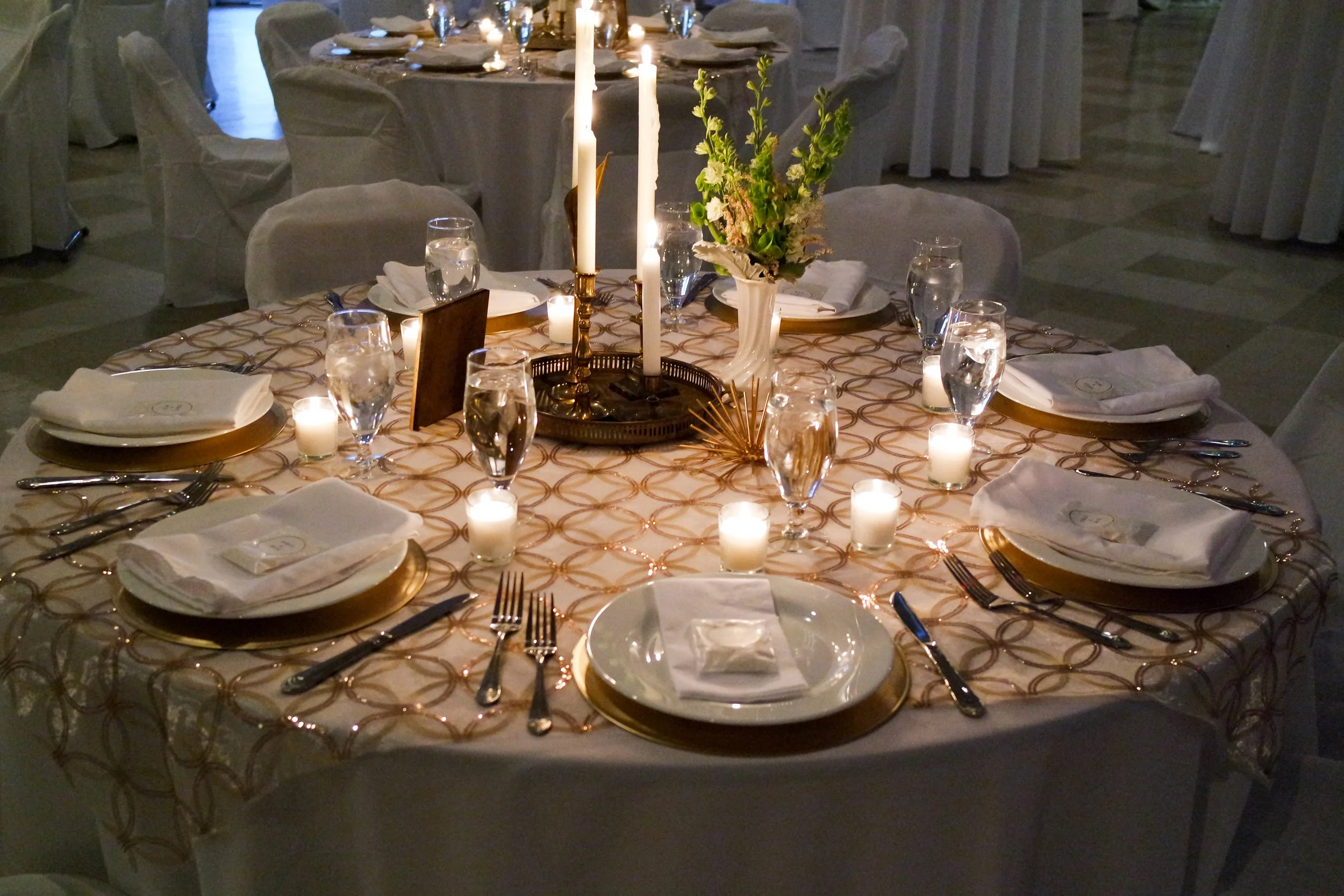
Live shows, movie nights, art openings, private parties, and corporate meetings at 20 N Main St — minutes from the University of Florida and Shands Hospital.
Stay in the Loop
Get the next show, screening, and event announcements sent to your inbox.
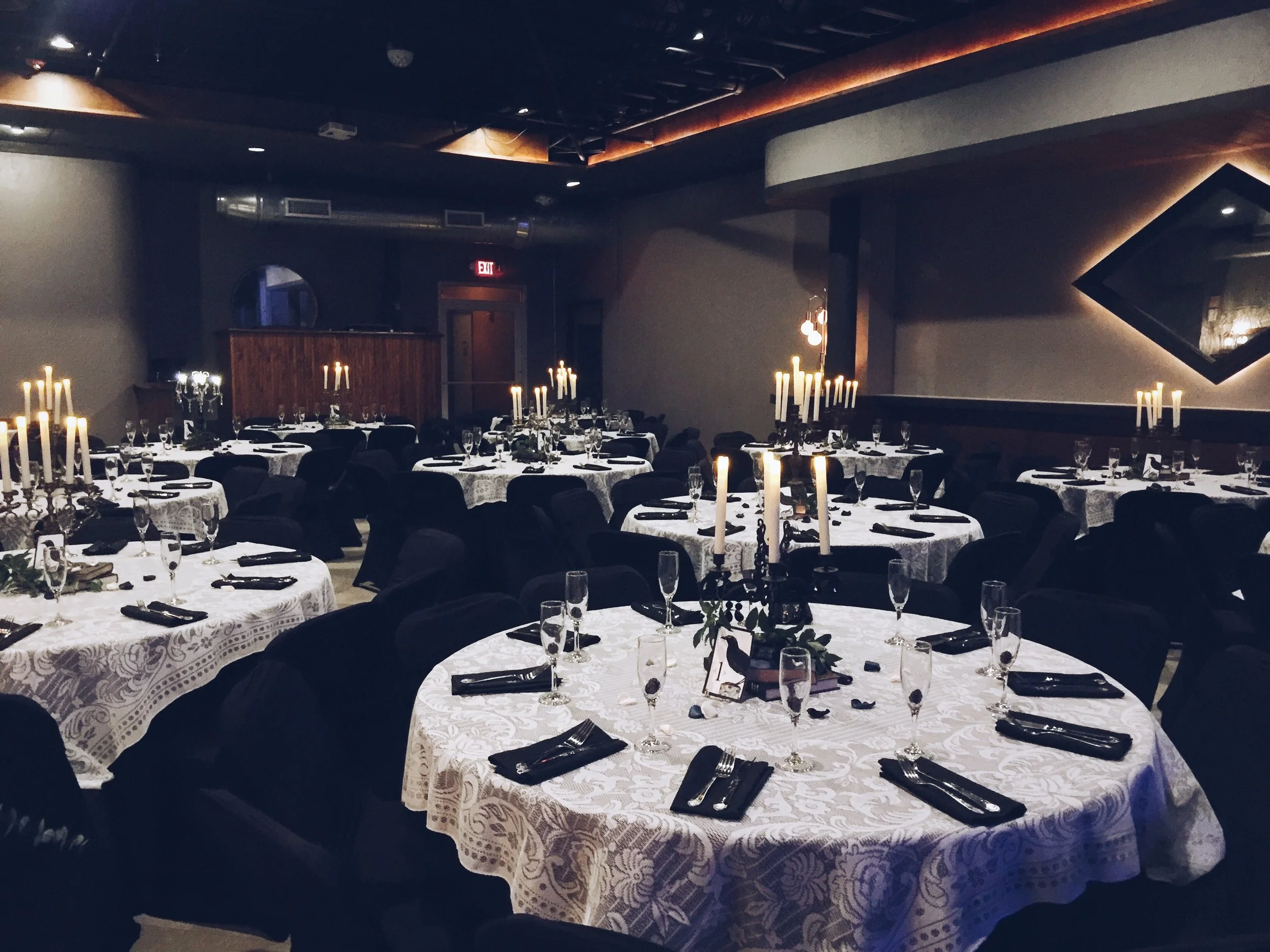
Inside the Room
A look at the stage, the floor, and the nights that move through them.
Branding Your Event With Signage At The Wooly
A well-branded event begins before guests hear the first song, watch the opening scene, or take a seat for dinner. Signage creates that first impression, guides people through the room, and gives every photograph a recognisable visual thread. At The Wooly in downtown Gainesville, a considered signage system can make the venue feel tailored to a wedding, screening, corporate gathering, concert, or community celebration.
The Wooly’s flexible floor plan, full-service bar, in-house catering, and professional audio-visual support provide a strong foundation for an event identity. Whether your team is planning from Sydney, Melbourne, Brisbane, or elsewhere in Australia, the key is to treat signs as part of the guest experience rather than as last-minute printed notices. Good event graphics should be useful, attractive, and easy to adjust when the room layout or programme changes.
Start With A Clear Visual Identity
Before choosing materials or printing dimensions, define the small visual system that will appear across the event. Select one primary typeface, one supporting typeface, a restrained colour palette, and a recognisable graphic detail. This might be a hand-drawn illustration, a repeating geometric pattern, a monogram, or a motif drawn from the event’s theme. Repeating these elements on the welcome sign, bar menu, stage screen, table cards, and social media graphics creates cohesion.
Your identity should suit the character of the occasion. A wedding may use soft colours, elegant lettering, and botanical details, while a film screening could draw on a cinematic title treatment and high-contrast photography. A touring band might need a bolder system that works against the venue’s existing architecture. Corporate meetings often benefit from generous white space, precise alignment, and brand colours used with discipline rather than covering every surface.
It is useful to review The Wooly’s upcoming event calendar before settling on a direction. Seeing how concerts, screenings, and community events are presented can help you distinguish your event from nearby programming while keeping the design appropriate for a busy downtown venue. A strong identity should feel specific to your occasion without competing with the venue’s own atmosphere.
For an Australian planning team, spelling and tone deserve attention as well. If materials are prepared in Australia and sent to Florida, decide whether guest-facing copy will follow Australian or American conventions. Terms such as “programme” and “centre” may need to become “program” and “center” for a Gainesville audience, while dates should be written clearly to avoid the day-month confusion common between the two markets.
Design For The Guest Journey
Signage works best when it follows the way people move through the venue. Guests may approach from Main Street, look for the entrance, check in, find a bar or cloakroom, locate the right room area, and then search for toilets or seating. A beautiful welcome board cannot compensate for an unclear route. Map each decision point and assign a sign only where it reduces uncertainty.
The Wooly’s location at 20 N Main Street, near the University of Florida and Shands Hospital, makes arrival information especially important for visitors unfamiliar with Gainesville. Include the venue name, event name, entry details, and any relevant parking or access note in advance communications. At the entrance, use a sign that can be read from the pavement rather than relying on small lettering that guests only notice once they are standing at the door.
A Practical Signage Kit
- An entry sign with the event name, host identity, and start time
- Directional arrows for registration, seating, toilets, exits, and accessible routes
- A branded bar menu or drinks board with prices and service information
- A stage or backdrop treatment designed for photographs and video
- Small instructional signs for dietary information, coats, gifts, or merchandise
The kit should be proportionate to the event. A private dinner may need six carefully positioned pieces, while a conference or multi-part community festival may require a larger wayfinding family. Avoid producing every possible sign before the floor plan is confirmed. The professional audio-visual team and venue staff can help identify areas where a screen, projection, or existing fixture will communicate more effectively than another printed board.
Think about sightlines from different heights. A sign behind a crowd may disappear during a busy reception, and a floor-standing board can become a trip hazard near a bar queue. Use weighted bases, secure fixings, and materials that will not curl under air-conditioning. In Australian venues, planners are accustomed to considering clear access, fire exits, and temporary installations under local venue rules; the same practical care should guide planning at The Wooly.
Make Information Easy To See
Brand expression should never make essential information difficult to find. Contrast, scale, line spacing, and placement all affect whether a guest can read a sign in a dim room or from several metres away. Thin script fonts may look elegant on a digital proof but disappear under event lighting. Test the design at full size, ideally in conditions similar to the finished venue.
Accessibility should be part of the design brief from the beginning. Use strong colour contrast, avoid relying on colour alone to communicate meaning, and keep important directions at a readable height. Provide clear text alongside icons, especially for toilets, exits, food information, and accessibility routes. If guests are expected to use a QR code, include a short printed explanation and a visible alternative for anyone without mobile data or a charged phone.
Information To Prioritise
- Event name, host, date, and location
- Registration or entry instructions
- Session times, screening details, or performance order
- Food allergens, vegan choices, and service arrangements
- Emergency exits and accessibility information
Food signage deserves special care when catering forms part of the event brand. Menus should identify vegetarian, vegan, gluten-free, and common allergen-friendly options without making broad claims that staff cannot support. The Wooly provides in-house catering, and its gluten-free catering guide can help planners understand how dietary messaging may be incorporated into menus and guest information.
For an Australian audience, this is familiar territory: food labelling, dietary preferences, and clear service details are central to weddings, workplace functions, and community gatherings. A Melbourne product launch might use a polished menu wall, while a Brisbane networking event may need concise labels beside shared platters. The visual treatment can vary, but the practical information should remain direct and easy to verify with catering staff.
Match The Graphics To The Occasion
The most effective signage reflects the emotional purpose of the event. For a wedding, consider a welcome panel, seating or table markers, a bar sign, and a photo backdrop that carries the couple’s identity without overwhelming the venue. Use the same initials, pattern, or colour accents on menus and digital invitations so the physical room feels connected to the guest communications.
A live music event can use a poster-led approach, with artist names, set times, merchandise details, and sponsor recognition built into the graphic language. Since The Wooly hosts local and touring artists, signage may need to balance the performer’s established look with the venue’s own identity. Keep sponsor logos organised in a consistent lock-up, and reserve the most prominent placement for the event name and artist information.
Film screenings and art openings have different needs again. A screening benefits from a strong title treatment, a concise synopsis, rating or content note where appropriate, and a visible start time. An opening may require artist biographies, work labels, a guest book instruction, or a QR code leading to a catalogue. These signs should support discovery without forcing guests to stop in narrow circulation areas.
Community and heritage events can draw on a broader visual vocabulary. A local-history gathering might use archival images, while a regional celebration could incorporate colours or symbols familiar to its community. For inspiration, the identity and public-facing materials of Freedom Old Home Week show how a community event can connect celebration, history, and shared participation. Australian organisers can apply a similar principle to events associated with Anzac Day, NAIDOC Week, local arts festivals, or footy finals: use meaningful references carefully, with context rather than decoration alone.
When the audience includes both local residents and visitors from overseas, avoid unexplained abbreviations and insider language. A simple line about doors, access, transport, or dress expectations can prevent confusion. Visitors from Perth or Adelaide may be used to very different transport patterns and venue layouts than guests arriving from Gainesville, so digital pre-event information should carry details that cannot fit elegantly on a sign.
Build A Flexible Signage System
A signage package should be designed for change. Event timings shift, speakers arrive late, catering selections are updated, and a room that was planned for cabaret seating may become a standing reception. Use modular templates that allow names, arrows, times, and menu items to be replaced without redesigning the entire suite. Foam board, acrylic, fabric, card stock, digital displays, and projection can each serve a different purpose.
Create a simple asset list before production. Record the sign name, final wording, size, material, location, owner, and installation time. Keep editable files separate from print-ready files, and prepare a version with high-resolution logos for screens or photographs. If Australian stakeholders are reviewing the work remotely, use shared proofs with clear version numbers and record approval in one place rather than circulating multiple attachments.
The Wooly’s AV capabilities make digital branding useful for schedules, speaker names, sponsor slides, holding screens, and animated transitions. Still, screens should support the room rather than become a wall of competing messages. A static welcome slide may be more legible than a fast animation, and a simple colour field behind a speaker can produce cleaner photographs than a constantly changing sponsor reel.
Materials And Placement Choices
- Use fabric or rigid board for large backdrops that need to photograph cleanly
- Choose reusable acrylic, timber, or card signs for bars, tables, and directional points
- Reserve projection and screens for information that may change during the event
- Keep floor signs stable, weighted, and clear of queues and accessible paths
- Pack a small repair kit with tape, spare inserts, clips, and cable ties
Think about reuse after the event. A branded backdrop can appear at future launches, a modular welcome frame can be updated for annual functions, and a set of directional stands can serve multiple community programmes. Reusable components reduce waste and make future budgets more predictable, particularly for Australian organisations managing exchange rates, international freight, or remote approvals.
Photography should influence placement from the start. Identify where guests are likely to take group images and ensure the background contains the event identity without placing a bright exit sign or cluttered service area directly behind it. A branded photo moment can be as simple as a monogrammed wall, a projected graphic, or a carefully positioned step-and-repeat, provided it suits the event rather than feeling like a trade-show display.
Turn The Event Into A Lasting Brand Asset
Signage continues working after guests leave. Photographs of the welcome sign, stage, menus, branded bar, and crowd often become the visual record used in newsletters, sponsor reports, social channels, and future sales material. Design these elements with enough visual clarity to remain recognisable when cropped for Instagram, LinkedIn, event listings, or a printed case study.
Before the event, brief the photographer or content team on priority details. Ask them to capture the full installation, close-ups of typography and menus, guests interacting with directional signs, and wide shots that show how branding fits into The Wooly’s flexible space. Avoid photographing confidential guest information, registration lists, or dietary details that could identify individuals without permission.
Sponsors and partners should receive value without taking over the visual environment. Establish logo sizes, placement zones, and recognition levels in the event agreement. A sponsor wall near the entrance, a rotating screen slide, or a co-branded bar menu may be more effective than placing every logo on every sign. Clear hierarchy makes the host, programme, and guest experience easier to understand while still acknowledging support.
For corporate meetings, this consistency reinforces credibility. For weddings, it creates a personal atmosphere. For concerts, it gives audiences a visual memory linked to the artist and venue. For community gatherings, it can make the event feel established and welcoming. The best system is distinctive enough to be remembered, restrained enough to let people move comfortably, and flexible enough to handle the practical realities of a live event.
A final venue walk-through should happen once the signs are installed and the room is dressed. Stand where guests will stand, follow the route from the street to the bar or seating area, check signs from seated and standing positions, and confirm that no essential direction is hidden by furniture or queues. Bring the approved artwork, a printed placement map, and spare blank inserts so small changes can be handled without improvising the brand.
Create that placement map next: mark every guest decision point from 20 N Main Street to the final seating area, then assign each one a sign, message, size, and installation owner.
Follow the Calendar
News, ticket links, and last-minute additions posted across our channels.
Explore the Venue
Five pages covering the full run of programming and private bookings.
Browse the schedule for movie showings, live music, and art shows.
Weddings, holiday banquets, cocktail parties, and anniversaries.
Meetings, networking, luncheons, and fundraisers with AV support.
Concerts, film screenings, art showcases, and community pop-ups.
Photos from past concerts, private functions, and gatherings.