Live shows, movie nights, art openings, private parties, and corporate meetings at 20 N Main St — minutes from the University of Florida and Shands Hospital.
Stay in the Loop
Get the next show, screening, and event announcements sent to your inbox.
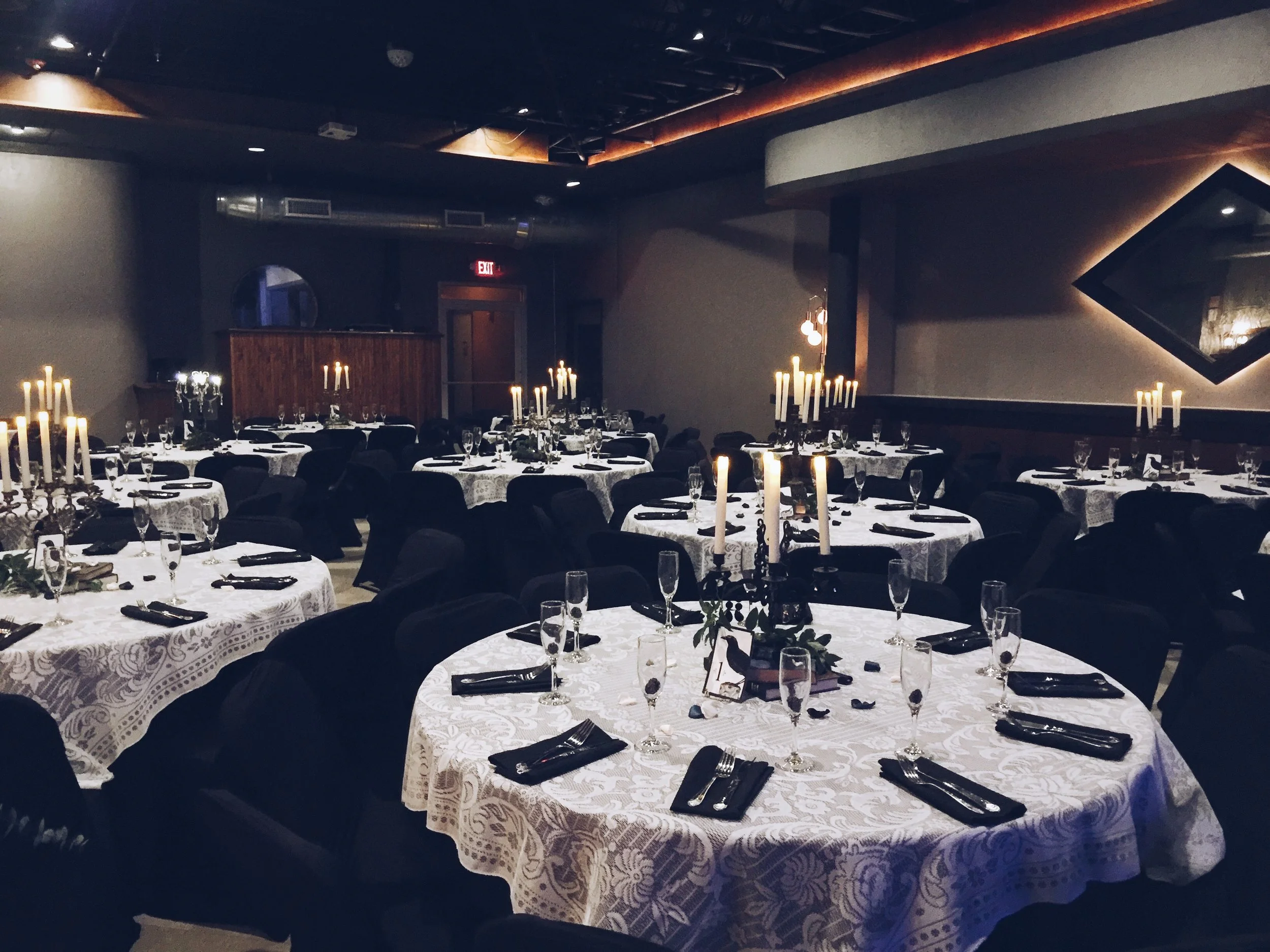
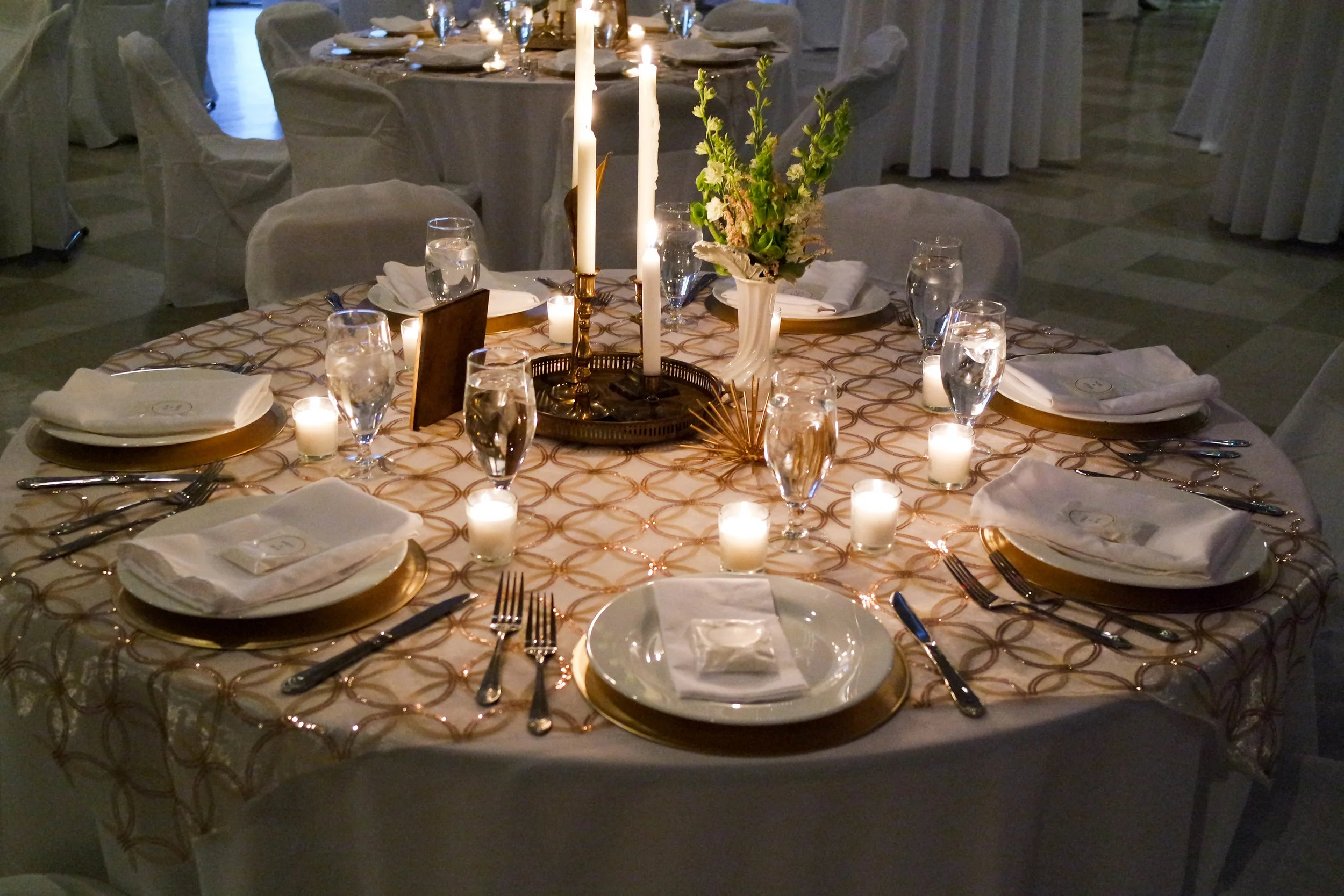
Inside the Room
A look at the stage, the floor, and the nights that move through them.
Inside The Wooly's booking desk: a coordinator's working day
Downtown Gainesville wakes up slowly around the historic brick facades near the University of Florida, and by the time the first coffee cart on North Main Street starts steaming milk, the lights inside The Wooly are usually already on. A typical day in the life of a The Wooly event coordinator begins in that quiet window before the rest of the city stirs, when the floor plan is still freshly vacuumed and the only sound is the hum of the walk-in fridge cooling down for the lunch service.
The role sits at the crossroads of hospitality, live entertainment and project management, and the pace rarely stays in one gear. One moment the coordinator is decoding a rider for a touring band from Turin, the next they are confirming chair counts with a wedding planner who has opinions on linen colours. The job is less about doing one thing well and more about juggling ten things gracefully, and the calendar is dense enough to keep even the most caffeinated team on its toes.
Pre-opening: walkthroughs, weather watching and inbox triage
The first physical task of the day is a complete walkthrough of the venue with the operations manager. Staging is checked, cable runs are inspected, and any overnight deliveries to the loading dock are logged. Gainesville weather has a habit of changing plans, and an outdoor welcome arch for a Sunday wedding in March may need rope and stake adjustments if a thunderstorm is rolling in from the Alachua prairie. The coordinator notes humidity levels because the audio console does not enjoy moisture any more than the wooden bar does.
By 8:30 a.m. the inbox has usually begun its daily avalanche. A Brisbane-based event planner representing an Australian wine importer is asking about load-in times, while a Gainesville couple is requesting a slightly earlier ceremony so their elderly relatives can drive back to Ocala before dusk. The coordinator reads each request twice, decides what genuinely requires a meeting and what can be answered in a single paragraph, and replies in batches so the rest of the morning is not swallowed by email.
The morning is also when supplier contracts are reconciled. A freelance sound engineer from Jacksonville has submitted a revised invoice that needs to match the original quote, a florist has requested access at 2 p.m. rather than 11 a.m., and the ice order for the bar needs to be doubled because Friday night's headliner has a green room rider that runs to four pages. None of this is glamorous, but it is the silent plumbing that lets the day unfold without leaks.
Coordinating clients, artists and the in-house teams
Mid-morning is client-facing time. The coordinator walks the floor with a corporate meeting organiser rehearsing a product launch, marking where the step-and-repeat backdrop will sit, where the staging for a panel discussion belongs, and how the existing music and art programming calendar affects ambient noise during a daytime keynote. These walkthroughs are equal parts logistics and diplomacy, because the same floor might host a string quartet pre-ceremony and an amplified rock band post-reception.
Communication then pivots to artists and vendors. The coordinator confirms arrival times with the headliner, sends a revised stage plot to the lighting designer, and reconciles the catering order with the on-site chef, who has just told them that the heirloom tomato starter has been swapped for a stone fruit salad because local farms delivered early. Every change generates a downstream call: dietary requirements go to the floor team, plate counts go to the bar lead, and the timeline is updated on the shared running sheet that everyone in the venue checks on their phones.
The afternoon is when contracts get serious. A confirmed booking from an Australian promoter touring a European indie act has to pass through a checklist that mirrors the kind of compliance work familiar to anyone who has worked a festival in Sydney or a corporate gala in Melbourne: insurance certificates, rider sign-offs, and Goods and Services Tax documentation that has to line up with the venue's own records. The coordinator works through these details methodically, because a missing signature in the afternoon becomes a missing microphone at 8 p.m.
Australian standards meet a Gainesville stage
Many of the practical habits a coordinator brings to The Wooly travel well from Australia. Responsible Service of Alcohol training, the kind every bartender in Adelaide or Perth completes before their first shift, shapes how the cocktail program is run during a wedding toast or a late-night show. Service slows at the right moments, water is offered without being asked, and the floor team knows the early signs of someone who has had one too many.
Work Health and Safety practices blend with American occupational rules, particularly around load-ins where rigging, ladders and high-voltage lighting interact in a small space. The coordinator treats the loading dock the way a Melbourne production manager would treat a storeroom during the run-up to a summer festival: cable looms are taped down, scissor lifts have spotters, and nobody walks under a flown truss without clearance from the rigger on duty.
Australian privacy expectations, codified under the Privacy Act for anything touching customer data, also inform how guest lists, dietary records and contact details are stored. Cloud spreadsheets are replaced by access-controlled files, and any printout goes through the shredder at the end of the night. It is invisible work, but it is exactly the kind that protects a venue's reputation across two very different regulatory landscapes.
Doors, encore and the live running sheet
By 6:30 p.m. the venue has changed character. House lights dim to a warm wash, front-of-house is staffed, and the coordinator is positioned near the stage manager's podium with a paper running sheet, a charged phone and a backup printed copy of the evening's calls. Doors open, the crowd filters in, and the first three acts of the night are judged entirely by how smoothly guests are greeted, how quickly the bar queue moves, and whether the coat rack stays manageable.
A live event rarely goes exactly to plan. The first act's lead vocalist is stuck in traffic on I-75, a corporate sponsor wants a last-minute logo on the video wall, and a guest in a wheelchair needs a clearer path to the accessible viewing area. The coordinator handles each of these within minutes, routing the delay through the stage manager, looping in the AV team for the sponsor request, and quietly redirecting the seating plan so the guest can see the stage without a pillar in the way.
By the encore the coordinator's job is to fade into the architecture. The show is the show, and the team running it deserves the spotlight. The remaining tasks are silent: monitoring capacity against the fire marshal's limit, watching for anyone who needs water, and confirming with the head of security that the side exits are clear for the post-show rush.
Closing out, reconciling and looking at tomorrow
When the encore fades and the last guests drift past the merchandise table, the work swings back on. The coordinator leads the changeover: glassware collected, tables wiped, the dance floor swept, and the bar closed in a sequence that satisfies both Florida's alcohol licensing rules and the venue's own closing checklist. The headliner is escorted out through the green room, the load-out begins, and a quick debrief with the stage manager captures anything that broke during the night.
Back in the office, the next morning's tasks are already forming. Final payments to the security team are queued, the bar stocktake is printed for the morning count, and an email goes out to next Saturday's client confirming that everything from tonight's learning will shape tomorrow's setup. A coordinator from a similar event production network once described this feeling as running a small city block for eight hours and then writing the post-mortem over a single flat white. The routine never stays still, and that is precisely the point.
Tools that stay within arm's reach
- A paper running sheet alongside a digital backup, because Wi-Fi has opinions.
- A two-way radio loop covering the floor, bar, kitchen and loading dock.
- A label printer for cable runs, place cards and the green room rider.
- A shared calendar with colour codes for corporate, private and ticketed events.
- A small lockbox for cash floats, gift cards and the night's gratuities.
- A charged power bank, a torch and a small sewing kit for last-minute wardrobe fixes.
Pre-event checklist that keeps the night running
- Confirm load-in window with the artist liaison and the loading dock supervisor.
- Walk the floor with the client and mark staging, signage and AV positions.
- Reprint the dietary list for the kitchen in case anything has changed since Tuesday.
- Check the bar's ice, glassware and garnishes against the headcount forecast.
- Brief the front-of-house team on the running sheet and the emergency exits.
- Lock the timing of doors, support acts and headliner with the stage manager.
The day ends the way the next one begins: a paper running sheet reprinted, a fresh set of cables run for tomorrow's acoustic set, and a long, slow loop through the venue with the cleaning crew as downtown Gainesville falls quiet again. The final task of the night is to update the shared calendar so the next booking sits on the public feed of upcoming events, and the morning inbox will open with whatever that update triggers.
Follow the Calendar
News, ticket links, and last-minute additions posted across our channels.
Explore the Venue
Five pages covering the full run of programming and private bookings.
Browse the schedule for movie showings, live music, and art shows.
Weddings, holiday banquets, cocktail parties, and anniversaries.
Meetings, networking, luncheons, and fundraisers with AV support.
Concerts, film screenings, art showcases, and community pop-ups.
Photos from past concerts, private functions, and gatherings.