Live shows, movie nights, art openings, private parties, and corporate meetings at 20 N Main St — minutes from the University of Florida and Shands Hospital.
Stay in the Loop
Get the next show, screening, and event announcements sent to your inbox.
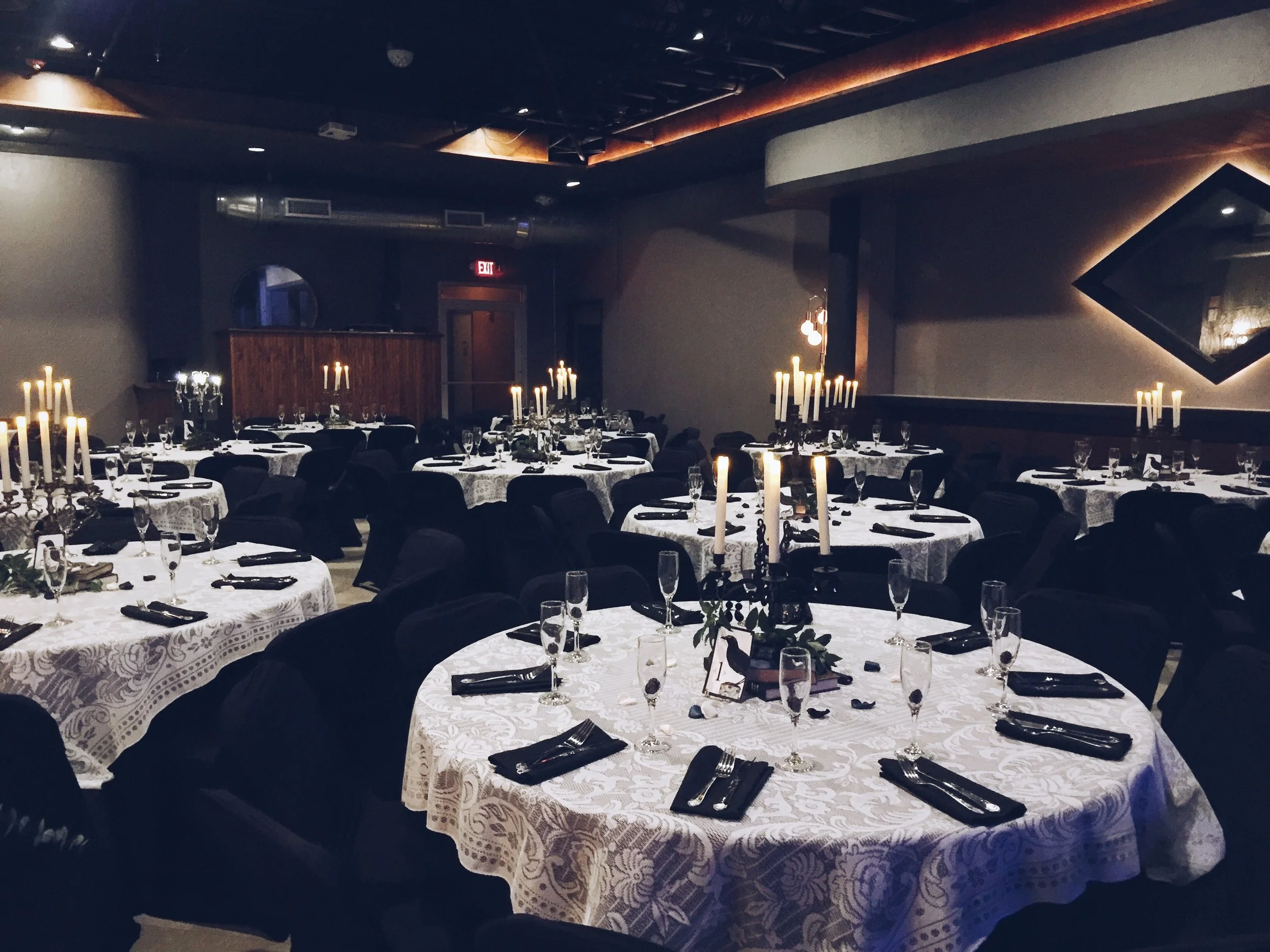
Inside the Room
A look at the stage, the floor, and the nights that move through them.

A private film screening for your group at The Wooly
Booking The Wooly for a film with your own guest list creates a focused night in downtown Gainesville rather than a general cinema visit. The independent venue at 20 N Main Street, close to the University of Florida and Shands Hospital, hosts film screenings, live music, art openings, private celebrations and meetings. Its flexible floor plan, professional audio-visual support, in-house catering and full-service bar allow a group to combine a screening with a reception, presentation or discussion while keeping the entire visit in one venue.
For Australian organisers, the practical appeal is easy to balance with international travel. Gainesville sits around two hours from Orlando and roughly six hours from Miami, so delegates can extend a trip without treating the city as a remote US outpost. Florida is also approximately 13 to 16 hours ahead of major Australian cities, depending on daylight saving, making a shared event time in the late evening feel much earlier in Sydney, Melbourne or Brisbane. A well-briefed event coordinator can turn those differences into a smooth arrival plan.
Choose a film that fits the room
Begin with the audience rather than the available titles. A documentary about Australian cinema, an independent feature from a regional film festival or a sports film can make the gathering feel personal. Ask guests about preferred genres, language, subtitles and acceptable content warnings when the attendee list is still broad. A short animation or local short can also precede the main feature without extending the evening too far.
Exhibition rights require separate attention from venue availability. If the guest list makes the screening a public performance, the organiser should confirm that suitable public-performance rights have been secured through the rights holder. Venue rental does not automatically include the right to screen a commercial film, and a streaming subscription is not a substitute for a performance licence. Any director question-and-answer session also needs permission, particularly if it is recorded or delivered remotely.
Build the running time around the purpose of the gathering. A feature with a lengthy post-film discussion suits an educational or client event, while a shorter programme leaves room for networking. It is worth checking the film’s rating, caption options and aspect ratio in advance so the presentation feels intentional. Australian audiences may appreciate an Australian film, but international guests will benefit from a synopsis that sets expectations without revealing the ending.
Shape the screening around your group
A private booking can support several formats. The most straightforward option is a reserved audience with an introduction from the organiser, followed by the feature and an optional conversation. Other possibilities include a double feature, a themed short-film package, a panel with local participants or a presentation connected to the film’s subject. The key is to give the evening a clear rhythm rather than leaving guests unsure how long they should remain.
Sport creates an especially natural bridge between Australian culture and Gainesville’s event scene. Local event examples such as the Allianz Championship show how a sporting occasion can become a communal experience, so a documentary, archive broadcast or discussion about competition could suit a sports-minded group. A short pre-film package can establish that theme without turning the event into a full broadcast production.
For a company gathering, the film should support the conversation rather than dominate it. A short feature followed by a facilitated workshop may work better than a feature with a demanding discussion. For a birthday, engagement party or alumni gathering, the tone can be lighter, with music, food and photo opportunities built around the screening. The Wooly’s broader calendar of concerts, movie nights and community events also provides useful examples of how varied its programming can be.
Build a smooth arrival for guests
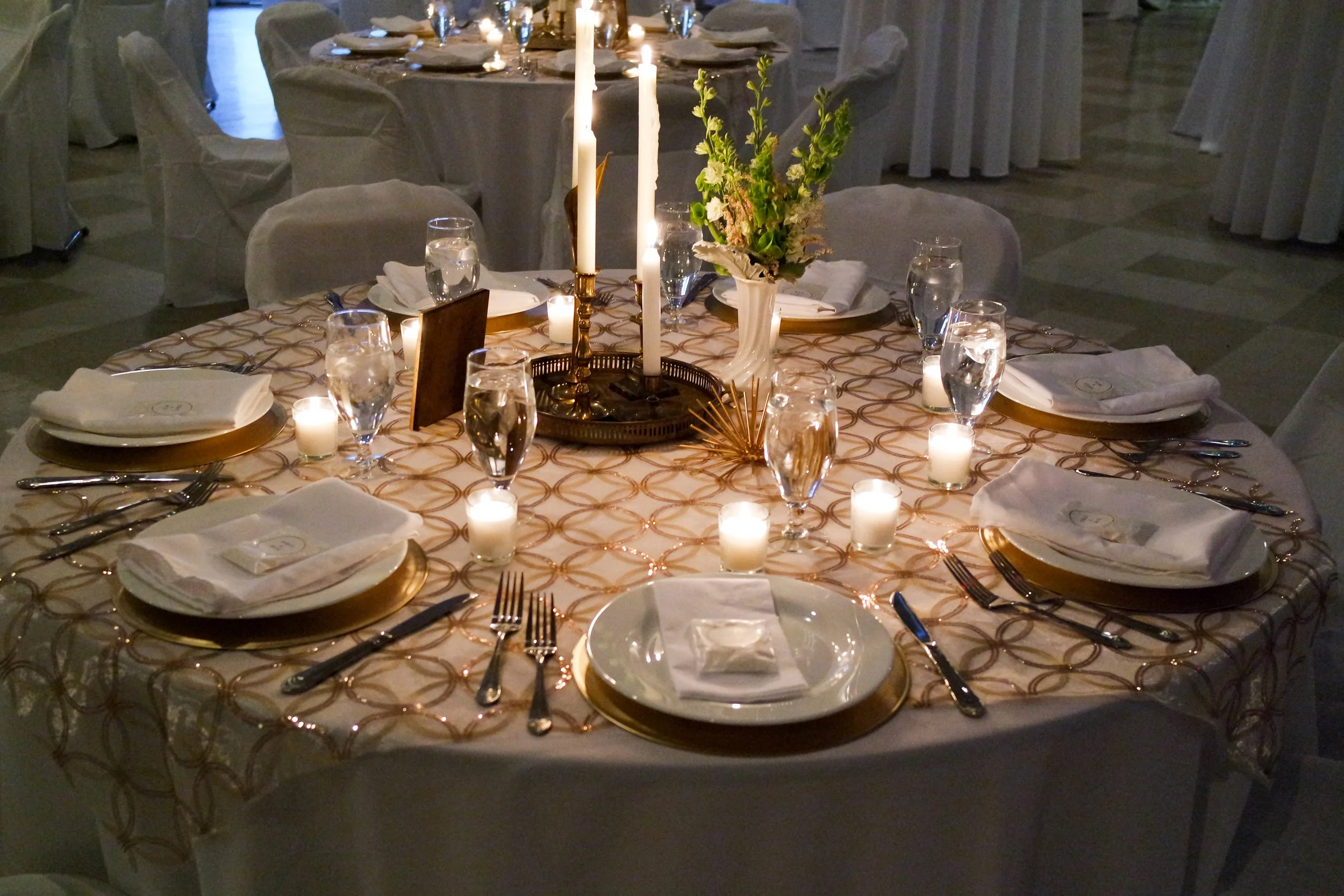
The period before the film is part of the guest experience. Set up a reception area where people can collect name badges, find the restrooms and order drinks without crowding the entrance. A clear arrival instruction should include the street address, parking guidance, door time and the expected screening start. Those details are particularly useful for Australian visitors who may be unfamiliar with downtown Gainesville and American tipping customs.
The Wooly’s corporate events page provides a starting point for questions about layouts, catering and presentation formats. A corporate-style group may need a room arranged for a panel before the film, while a social group might prefer lounge seating and open space for mingling. Asking for a floor-plan sketch alongside the guest count helps prevent last-minute compromises around sightlines, service stations and accessible seating.
Keep the host team informed and the arrival process uncomplicated. One person should greet guests, another should manage the bar or refreshments, and a technical lead should control the film and sound. If attendees include clients, partners or speakers, brief them on arrival time, microphone use, introduction length and filming restrictions. This allows the screening to begin on schedule without making the pre-event period feel over-managed.
Match food and drink to the programme
Food should support conversation and keep service brief. Shared plates suit the communal style common in Australian pubs and can work well before a screening, especially when guests are expected to arrive at different times. The in-house catering team can advise on quantities, dietary requirements and menus that remain easy to eat in front of a screen. Light dishes generally cause fewer distractions than meals requiring knives or extensive handling.
Menus such as Chili Chillin can offer useful inspiration for a relaxed, shareable spread built around bold flavours and familiar favourites. The important distinction is that food at a private event should be planned for the film itself rather than borrowed wholesale from a casual dining menu. The venue can confirm whether particular dishes are suitable for service in the screening room and whether outside food is permitted under the selected package.
Alcohol planning also deserves early attention. Australian diners are accustomed to “bring your own” arrangements in many pub settings, but a private Florida venue may require alcohol to be supplied and served by a licensed provider. Guests should confirm the house policy rather than arriving with bottles. The full-service bar allows the organiser to set a drink limit, arrange a pre-paid tab or include selected beverages in the package, helping the evening remain predictable for both guests and the host.
Plan the technical details before showtime
Professional audio-visual support is one of the venue’s strongest practical features. Its music and art programme demonstrates the range of live and visually driven events held in the space, from performances to exhibitions. A private film screening benefits from the same attention to sound levels, lighting control and dependable playback rather than relying on a laptop connection alone.
Agree on the final file format and playback method with the production team before guests arrive. Test the feature, trailers, sponsor messages and any introduction, and check that the aspect ratio suits the screen without leaving unused space. Confirm whether captions or subtitles will be displayed through the chosen system. Sound checks should happen after the room is configured, since moving furniture or changing lighting can reveal problems that a technical rehearsal in an empty setup misses.
The physical layout should also support the format. Leave enough distance from the screen for comfortable viewing, reserve accessible seating and keep walkways clear. Stage speakers where they can be seen without blocking the image, or place them at the rear for a panel-led discussion. If the film is being recorded, mark the camera position and identify an area for equipment that should not appear in the finished footage. A brief technical run-through immediately before doors open gives the host team a final chance to correct small issues.
Account for Australian guests and local rules
The Wooly’s corporate meeting guide contains useful information for organisers balancing presentations, meals and entertainment in Gainesville. The local corporate market is strongly connected with the university, healthcare sector and organisations supported by Shands Hospital, while the city also has a substantial independent arts and restaurant culture. That mix gives an Australian team a credible reason to combine a working session with an evening film event.
Travel planning should include the Florida time difference, the local currency and commercial terms. Australian businesses commonly budget in Australian dollars, but venue contracts, catering and bar charges will ordinarily be calculated in US dollars. Currency movement can affect the final total, so an indicative AUD budget should carry a contingency. Guests should also check whether their cards charge foreign transaction fees and whether quoted prices include sales tax, service charges, staffing or minimum spend.
Privacy and filming deserve specific attention when people have travelled internationally. If the Australian organisation is covered by the Privacy Act 1988, relevant obligations include the Australian Privacy Principles when they apply to the collection and handling of personal information. A photography notice, consent process and deletion schedule can prevent confusion about how attendee images or recorded discussion will be used. Separately, confirm any required performance licences, venue insurance, accessibility arrangements and Florida alcohol-service requirements rather than assuming Australian rules travel with the group.
Guest, production and booking details
A shared run sheet keeps the screening calm from setup to the final credits. It should name the people responsible for arrivals, technical operation, catering, bar service, introductions and emergency decisions.
Guest-facing checks
- Final guest count, dietary requirements and accessibility requests
- Door time, screening time, parking information and age-verification process
- Film title, runtime, rating, synopsis and availability of captions or subtitles
- Named event host and a single channel for day-of communication
Production and booking details
- Written quote covering room hire, screening package, staffing and any minimum spend
- Agreed floor plan, screen visibility, microphone placement and power requirements
- Catering quantities, bar plan, service charges and applicable taxes
- Confirmed file format, playback method, filming permission and technical rehearsal time
The concrete next step is to request a written quote for a specific date, an estimated guest range and a working film title, with the room, screening package, catering, bar service and technical extras itemised together.
Follow the Calendar
News, ticket links, and last-minute additions posted across our channels.
Explore the Venue
Five pages covering the full run of programming and private bookings.
Browse the schedule for movie showings, live music, and art shows.
Weddings, holiday banquets, cocktail parties, and anniversaries.
Meetings, networking, luncheons, and fundraisers with AV support.
Concerts, film screenings, art showcases, and community pop-ups.
Photos from past concerts, private functions, and gatherings.