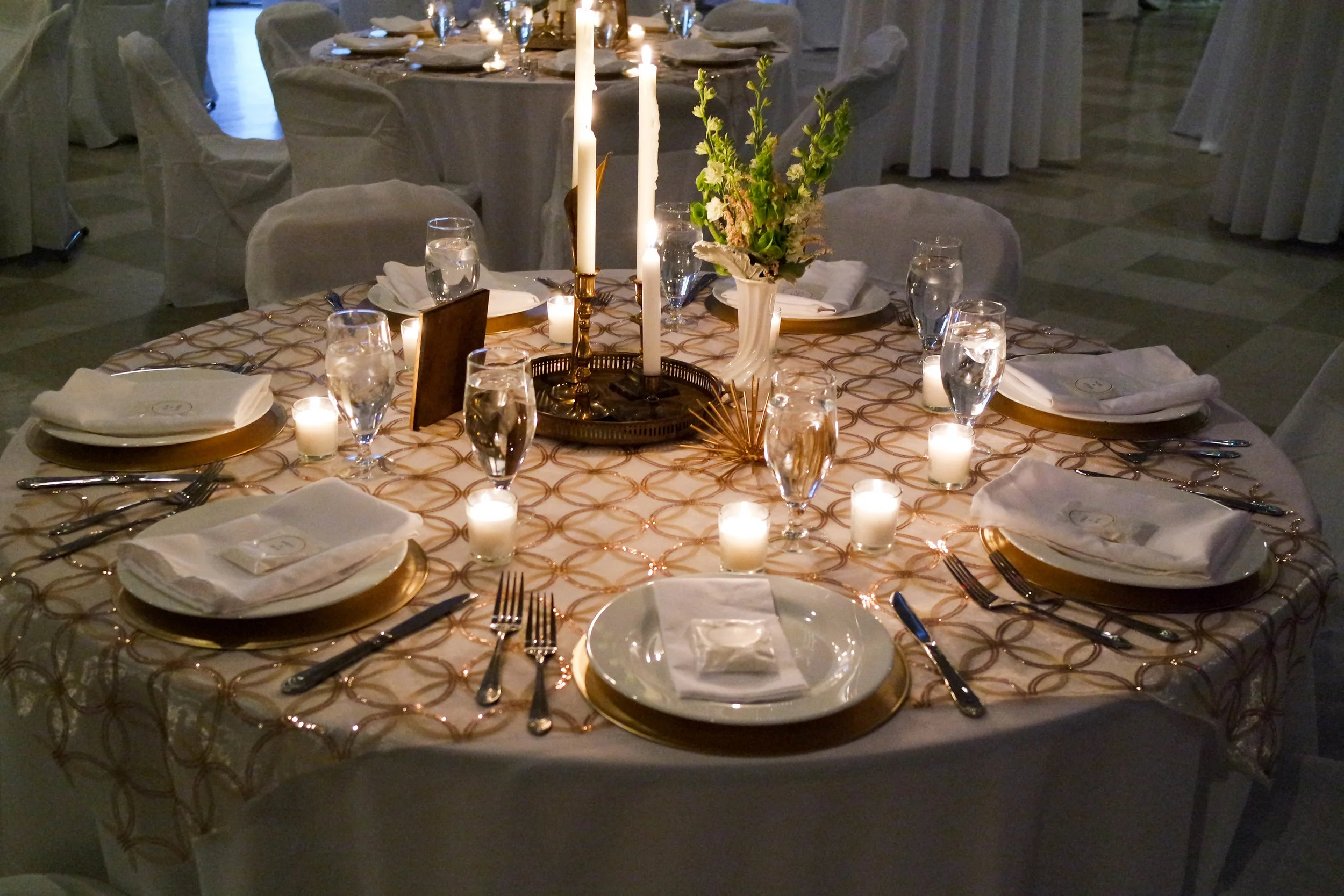
Live shows, movie nights, art openings, private parties, and corporate meetings at 20 N Main St — minutes from the University of Florida and Shands Hospital.
Stay in the Loop
Get the next show, screening, and event announcements sent to your inbox.
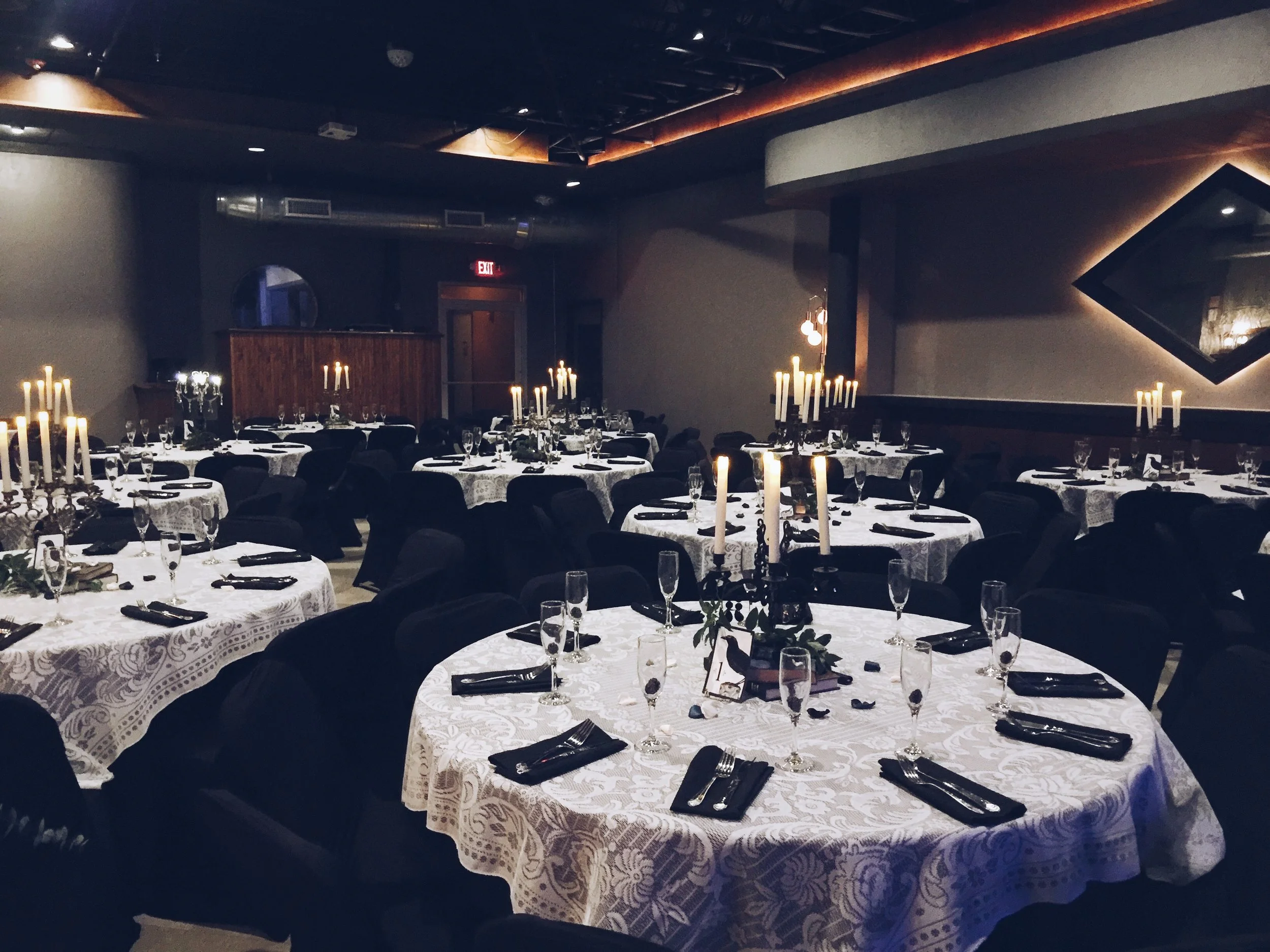
Inside the Room
A look at the stage, the floor, and the nights that move through them.
A corporate event blueprint drawn from The Wooly
When a Brisbane-based cleantech firm asked its US logistics partner to plan a regional summit, the brief landed on the desk of an event producer who had never run anything in Florida before. Three weeks later, two hundred guests were walking through a converted warehouse space near the University of Florida campus, watching a live-streamed keynote, eating seared grouper, and clinking Aperol spritzes until well past midnight. The host venue was The Wooly, a 4,500-square-foot multipurpose hall on North Main Street that had previously been booked for everything from punk gigs to bridal showers. Learn more about Thewoolygainesville.com.
Planning an off-shore corporate gathering from the other side of the Pacific throws up paperwork that Australian organisers rarely deal with at home. Visa authorisations, state-level tax exemptions for interstate commercial events, and the quirks of foreign AV union rules all sit outside the usual compliance pack. The playbook that came out of that summit is now being repurposed for product launches, training days, and end-of-year celebrations being staged in venues much closer to Sydney and Melbourne. What follows is a case study of a successful corporate event at The Wooly, including what worked, what did not, and how to translate those lessons to the local Australian market.
The brief, the budget, and the room
The client was a mid-sized company that designs solar inverters for utility-scale projects. Rather than fly its entire APAC leadership team to Tampa or Orlando, it wanted an East Coast hub that could accommodate staff from its Boston office, its partners in São Paulo, and three Australian executives who would arrive via Miami. Gainesville made sense because two of its senior engineers were already based in town on a research secondment with the University of Florida.
The producer pulled four regional quotes. The comparison below summarises the headline package each venue offered and whether catering, bar service, and AV support were folded into the daily rate.
| Venue | Daily room rate (AUD-equiv) | Catering in-house | AV in-house | Bar service | Approx. standing capacity |
|---|---|---|---|---|---|
| The Wooly, Gainesville FL | $4,400 | Yes | Yes | Full bar | 350 |
| Venue B, Tampa FL | $5,100 | Yes | No | Cash only | 400 |
| Venue C, Orlando FL | $5,800 | No | Yes | Full bar | 380 |
| Venue D, Jacksonville FL | $3,900 | Yes | No | BYO with permit | 320 |
The Wooly was chosen because it could be reconfigured three ways in a single evening. The ground floor holds up to 350 standing or 220 seated, with a sprung timber floor that the venue can carpet or clear in under an hour. A mezzanine runs along the eastern wall for VIP viewing, and a loading dock at the rear converts to a green room on demand. For the cleantech client, the welcome reception flowed through the gallery alcove while the keynote stage rotated onto the main floor, which meant no guests had to be herded between rooms.
The Wooly's official website lists audio-visual support, in-house catering, and a full-service bar as standard inclusions, and the cleantech producer took the bundled pricing rather than chasing external vendors. In a context like Australia, where Goods and Services Tax can quietly inflate a quoted figure by ten per cent, knowing exactly what is bundled inside a venue's headline rate prevents budget surprises that nobody wants to flag in a board pack.
Sourcing the food and the alcohol licence
Two realities shaped the catering brief. First, the Australian executives carried a low-key expectation of fresh, properly seasoned food, a habit formed by Melbourne's competitive hospitality scene rather than any complaint about American catering. Second, Florida's liquor laws classify private functions differently from open-to-the-public events, and the venue's bar team handled the paperwork for a one-night licence rather than relying on the guests' hotel concierge for guidance.
The Wooly's kitchen ran a three-station menu built around regional produce: a ceviche bar stocked with Gulf shrimp, a short-order grill turning out wagyu sliders and grouper sandwiches for the younger staff who flew in from the Brisbane CBD, and a dessert spread of key lime pie and pecan brittle. The dessert offering in particular proved popular with the Australian delegation, who tended to treat the post-dinner hour as the social centre of the evening rather than an optional add-on.
A short note on responsible service for anyone reading this from Australia. The Wooly follows a Responsible Vendor model that mirrors the RSA framework used in New South Wales and Victoria, including ID checks for anyone who looks under 30, water stations at every bar, and a cut-off announcement at 11 pm unless the host books an extension. For Australian planners shipping their own run-sheet to an American venue, attaching the lead host's RSA training certificate is a useful move so overseas staff can apply familiar controls without needing to learn a new regulatory vocabulary on the fly.
Audio, lighting, and the live-stream puzzle
The brief called for a hybrid format. Half of the audience was in the room, the rest watched from Sydney, Singapore, and the company's Adelaide lab. The Wooly's in-house AV team owned the gear: a digital mixing desk, four moving-head fixtures, twin projectors, a confidence monitor, and four robo-cams that the producer's own staff were trained on within a ninety-minute setup window.
The lighting designer, who usually works on touring rock shows passing through the venue, dropped the back-of-house spots during the keynote and brought up a warm wash for the Q&A. The transition was signalled by a soft amber cue that matched the cleantech firm's brand palette, which the senior partner later described as the moment the night started to feel properly thought through rather than hired-in.
Robust bandwidth is where many hybrid events fall over. The Wooly runs a fibre line with a 1 Gbps ceiling plus a 5G failover, and the team had tested the stream with a two-hundred-person mock audience two days earlier. For Australian planners used to business-grade NBN connections in their own venues, the takeaway is to ask any overseas site for its upload speed as a signed figure, not a marketing line. The Wooly's AV lead sent a screenshot of a speed test the morning of the event, a request worth replicating every time.
Running the floor on the night
The run-of-show was printed on a single A4 sheet, taped at the host lectern and the green room. It read top to bottom: arrivals from 6 pm with a sparkling wine welcome, seated dinner at 7:15, keynote at 8:30, awards at 9:15, live band from 10 until late. Every timed item had a named owner, a backup owner, and a one-line contingency if the prior segment ran long.
Two practices kept the floor calm. First, the venue's floor manager walked the room twice an hour, radioed the kitchen when the entrée plates were being cleared, and signalled the AV desk to mute house music ninety seconds before the keynote. Second, a small first-aid and emergency kit sat behind the registration desk. It was modelled on a checklist familiar from wedding-day preparation, the kind of bridal party emergency kit that lists sewing thread, blister plasters, phone chargers, and anti-nausea strips, the kind a corporate host needs when two hundred tired travellers are milling about in formal shoes.
Small touches earned the strongest feedback. The host booked the venue's printed signage and added custom coasters printed with the brand mark, the kitchen printed menus on heavyweight stock, and the bar team remembered that one of the Australian executives drank only single-origin spirits and had three options chilled for her on arrival.
Measuring what worked
A week later the producer sent out a twelve-question pulse survey, the type that typically gets opened by about seventy per cent of invitees. Net promoter score on the venue came back at 71, against an industry benchmark in the high 50s for similar functions. The single highest-scoring item was the food matched the standard the traveller expects when working on the road, which the Australian contingent scored at 9.4 out of 10. The single lowest score was the room temperature felt right, which the venue has since addressed by adding an extra HVAC zone.
A regional photographer covering the food at the function asked whether the venue ever hosted community-style gatherings, and the venue pointed him toward an upcoming event tied to Camden Comic Con, the pop culture and small-press convention that books the gallery alcove every spring. That kind of cross-pollination turned out to be the most effective piece of free marketing the cleantech firm picked up from the night.
Cost lines were tracked against the budgeted figure. Compared with the three competitor quotes the producer had pulled earlier, the venue rate landed in the middle of the pack, while the bundled audio-visual line undercut two of the three competitors. The clear outlier line was marketing reach: the event generated four qualified leads in two months, a return that no Australian venue broker had priced into the original proposal.
Replicating the model in Australia
The case study does not transfer directly. A 4,500-square-foot sprung-floor warehouse in downtown Gainesville is not the same asset as a Sydney heritage ballroom or a rooftop bar in South Bank, Brisbane. Three lessons do, however.
First, prioritise venues with bundled service over a la carte pricing. The total cost of running an event is rarely the headline rate; it is the headline rate plus the unknown add-ons for rigging, power, cleanup, and after-hours staffing. Australian venues listed on commercial directories increasingly show a per-head bundled price, and asking for that figure upfront removes roughly twenty per cent of the friction from the budget conversation.
Second, brief the bar staff as if they were running an RSA-certified venue. That is not a regulatory trick but a habit. Most Australian hospitality staff have completed the one-day Responsible Service of Alcohol course whether they intend to pour drinks or not, and applying that vocabulary to overseas venues creates a shared language for cut-offs, refusals, and incident reporting that both sides already understand.
Third, send the run-of-show as a single page, signed, with named owners. The Wooly handled this by giving the floor manager a printed copy at every station, a practice common at award nights in Brisbane and Melbourne, where stage managers pin a laminated run-sheet beside the lighting desk and the catering pass. Keeping the document to a single A4 forces priorities and forces the team to decide what is essential and what is nice-to-have.
A side benefit has been easier recruitment of the next venue. After photos from the event circulated internally, two of the cleantech firm's commercial partners asked for a tour of the property, and the venue's gallery page is now bookmarked by the procurement lead in Brisbane for future regional summits. The headline win from the case study, however, was not the photo of the three founders on stage but the quieter outcome: a two-hundred-person event that closed its books inside budget, attracted a 71-point net promoter score from guests who often grumble about corporate hospitality, and ran without an AV failure, queue at the bar, or dietary mishap.
The plain takeaway is that a well-briefed venue, a single-page run-sheet, a tested hybrid stream, and a food offer that respects what guests actually eat on a working trip will outperform a bigger headline budget almost every time. For Australian organisers planning their own next corporate gathering, whether in Parramatta, Fortitude Valley, the Adelaide CBD, or somewhere further afield, that combination is portable, trainable, and far cheaper to repeat than the next shiny new venue brochure would suggest.
Follow the Calendar
News, ticket links, and last-minute additions posted across our channels.
Explore the Venue
Five pages covering the full run of programming and private bookings.
Browse the schedule for movie showings, live music, and art shows.
Weddings, holiday banquets, cocktail parties, and anniversaries.
Meetings, networking, luncheons, and fundraisers with AV support.
Concerts, film screenings, art showcases, and community pop-ups.
Photos from past concerts, private functions, and gatherings.